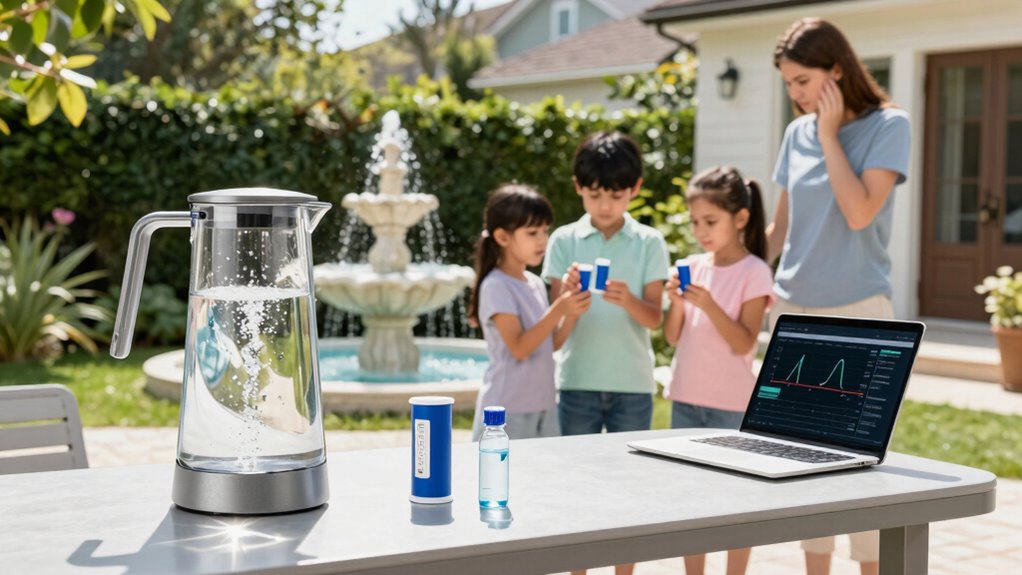

As concerns over PFAS in drinking water grow, you’re more likely to question your water sources and consider filtration options. You might research local water quality reports and look for advanced systems like activated carbon or reverse osmosis to remove harmful chemicals. Some households switch to bottled water temporarily or install home filters for peace of mind. Staying informed about evolving regulations and treatment solutions can help you make safer choices—there’s much more to explore on this important topic.

Get garden gear delivered free with Prime
- Fast, free delivery on millions of items
- Prime Video, Amazon Music and more included
- Member-only deals all year
Key Takeaways
- Households are increasingly testing their tap water for PFAS contamination due to health concerns.
- Many are adopting advanced filtration systems like activated carbon or reverse osmosis to remove PFAS.
- Some families choose bottled water or alternative sources if local tap water exceeds safety standards.
- Residents are staying informed through water quality reports and evolving regulations to make safer choices.
- Community advocacy for stricter water safety policies influences household decisions on water use.
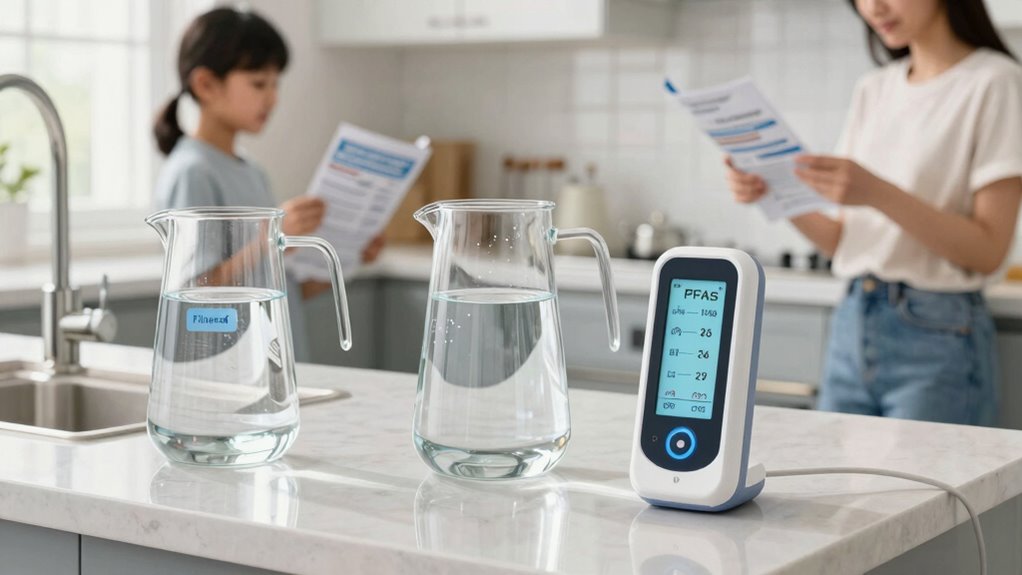
Per- and polyfluoroalkyl substances (PFAS) have become a major concern when it comes to drinking water, as these chemicals can persist in the environment and pose health risks. When you hear about PFAS, you might wonder how they could affect your health. Studies link these chemicals to a variety of health implications, including immune system effects, hormone disruption, and even increased cancer risk. As awareness grows, you’re likely to ask whether your tap water is safe and what steps you should take to protect yourself and your family.
PFAS in drinking water pose health risks, including immune, hormonal, and cancer concerns—stay informed and protect your family.
Regulatory policies around PFAS are evolving quickly as scientists and government agencies recognize the urgency of the issue. Some regions have already set limits for PFAS levels in drinking water, while others are still in the process of developing standards. These policies influence how water suppliers test and treat water, pushing them to adopt advanced filtration methods like activated carbon or reverse osmosis to reduce PFAS concentrations. Knowing that regulations are tightening can motivate you to reconsider your household water choices, especially if your local water utility has yet to implement rigorous testing or filtration standards.
Because of these regulatory shifts, many homeowners are exploring alternative water solutions. You might be considering installing a specialized home filtration system to eliminate PFAS and other contaminants. These systems can be an effective way to ensure that the water you drink and cook with is free from harmful chemicals. Some filters are designed specifically to target PFAS, giving you peace of mind about your water’s safety. Additionally, bottled water or alternative sources like well water might become more appealing options if local tap water is found to contain unsafe levels of PFAS. Staying informed about contaminant testing and filtration options can help you choose the best solution for your household. Recognizing the importance of water quality standards can also guide your decision-making process. It’s also beneficial to stay updated on scientific research to better understand the risks associated with various contaminants. Keeping an eye on emerging pollutants can help you anticipate future concerns and adapt your water safety measures accordingly.
Your household water decisions are now more influenced by ongoing research, regulatory changes, and the increasing availability of filtration technology. Staying informed about local water quality reports and understanding the regulations that govern water safety can help you make smarter choices. You may also decide to advocate for stricter standards in your community or support policies that prioritize public health. As PFAS concerns continue to grow, your decisions around water—whether through filtration, alternative sources, or policy engagement—become essential to safeguarding your health and that of your loved ones. The evolving landscape of water safety measures underscores the importance of remaining proactive in your household water management. Additionally, staying updated on regulatory policies can help you better understand the changing standards and requirements impacting your water quality.
As an affiliate, we earn on qualifying purchases.
Frequently Asked Questions
Are PFAS Levels Regulated in Household Water Supplies?
Regulatory standards for PFAS levels in household water supplies are still evolving, and they vary by region. Currently, many agencies are working to set safer limits due to contamination sources like industrial waste and firefighting foam. You should stay informed about local regulations and test your water regularly. If PFAS levels exceed safety standards, consider using advanced filtration systems to reduce your exposure and protect your family’s health.
How Often Should I Test My Home’s Water for PFAS?
You should test your home’s water for PFAS at least once a year, especially if you’re near industrial sites or landfills. Regular testing helps identify contamination levels and guides your water filtration choices. If PFAS is detected, consider upgrading to specialized filtration systems designed to remove these chemicals. Staying proactive with testing frequency guarantees your water remains safe and helps you make informed decisions about water filtration options.
Can I Remove PFAS From Water Using Standard Filters?
Removing PFAS with standard filters is like trying to catch a lightning bolt with a butterfly net—ineffective. Household filtration typically can’t eliminate these stubborn chemicals. Instead, look for filters with activated carbon or reverse osmosis systems, which are more effective at reducing PFAS levels. Always check filtration effectiveness and certifications. Proper filtration is vital to guarantee your water stays safe and free from harmful PFAS contaminants.
What Are the Health Risks Associated With PFAS Exposure?
You’re at risk of long-term health effects from PFAS exposure, including hormone disruption, immune system issues, and certain cancers. Regulatory standards aim to limit these risks, but they vary and aren’t always strict enough. It’s important to stay informed and consider testing your water, especially if you’re concerned about prolonged exposure. Reducing PFAS intake helps protect your health, but understanding the risks helps you make better decisions.
Are There Government Assistance Programs for Pfas-Affected Households?
Yes, there are government assistance programs for PFAS-affected households. You should explore community involvement initiatives that offer support and resources. Additionally, legal remedies might be available if you’ve been impacted by PFAS contamination. Local and federal agencies often provide funding or guidance to help you test your water, install filtration systems, or pursue legal action. Staying informed and connected with these programs can make a significant difference in managing PFAS concerns.
Conclusion
So, next time you’re debating between tap and bottled water, remember: your choice might just be a vote for or against tiny, invisible chemical villains lurking in your well. Who needs superhero movies when you’ve got PFAS drama at home? Maybe it’s time to invest in that fancy water filter — after all, if you’re gonna play water roulette, you might as well try to win. Cheers to making safer choices, one sip at a time!
Fall yard work Picks
leaf blowers
As an affiliate, we earn on qualifying purchases.