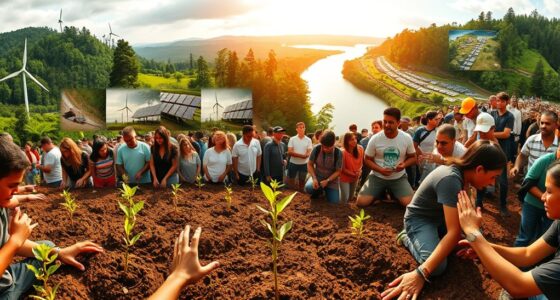

The Sustainable Development Goals (SDGs) are 17 global targets aimed at creating a fairer, healthier, and more sustainable world for everyone. They cover issues like ending poverty, protecting the environment, and promoting equality. Your actions matter because they can support these goals through everyday choices and advocacy. By understanding and engaging with the SDGs, you help shape a better future. Keep exploring to discover how you can make a real difference.
Key Takeaways
- The SDGs are 17 global targets aimed at creating a sustainable future for all.
- They address critical issues like poverty, climate change, gender equality, and health.
- Individual and collective actions can significantly impact progress toward these goals.
- Supporting SDGs helps protect the environment and promotes social and economic well-being.
- Everyone’s awareness and participation are essential for achieving these interconnected global goals.
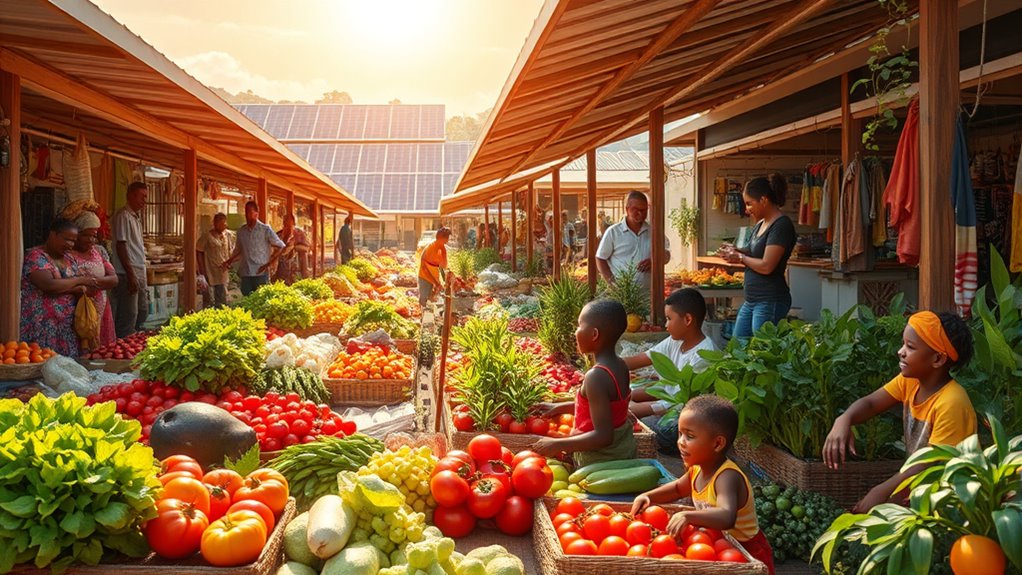
Have you ever wondered how the world can balance economic growth with environmental protection and social equity? That’s exactly what the Sustainable Development Goals (SDGs) aim to do. These 17 global targets, adopted by all United Nations member states, serve as a blueprint to create a better, more sustainable future for everyone. They cover a wide range of issues, from ending poverty to protecting our planet, and they emphasize that progress in one area must go hand in hand with progress in others. Understanding what these goals are and why they matter is essential because they directly influence your life, your community, and your future.
One of the key areas within the SDGs is climate action, which calls on countries and individuals alike to reduce greenhouse gas emissions and adopt more sustainable practices. Climate change poses a real threat to our environment, health, and economies, and it’s up to everyone to contribute to solutions. Whether it’s cutting down on energy consumption, supporting renewable energy sources, or advocating for policies that prioritize sustainability, your actions can make a difference. Climate action isn’t just about protecting nature; it’s about safeguarding our future generations from the devastating impacts of global warming, such as extreme weather events, rising sea levels, and food insecurity. Participating in climate action helps ensure that economic development doesn’t come at the expense of environmental health. Additionally, effective wall organization systems can help keep homes more energy-efficient and reduce waste, supporting sustainable living.
Another crucial aspect of the SDGs is gender equality. Achieving gender equality means ensuring that everyone, regardless of gender, has equal access to education, employment, and decision-making roles. It’s about dismantling barriers that limit opportunities for women and girls and recognizing their rights and contributions. When gender equality improves, entire communities thrive because diverse perspectives lead to better problem-solving and innovation. You can support this goal by challenging stereotypes, promoting inclusive practices, and advocating for policies that empower women and marginalized groups. Gender equality isn’t just a moral imperative; it’s a practical necessity for sustainable development. When women are empowered, families and economies flourish, creating a more just and balanced society.
Caring about the SDGs means recognizing that your choices, whether big or small, influence larger global issues. They remind us that sustainability isn’t just a lofty idea but an achievable goal rooted in collective effort. By understanding these goals, you become part of the solution—whether through supporting climate initiatives, advocating for gender equality, or simply making more sustainable choices in your daily life. The SDGs are a call to action for all of us, and your engagement can help turn these ambitious goals into reality.

Jackery Solar Generator 300, 293Wh Backup Lithium Battery with 1XSolar Panel SolarSaga 100W Air, 110V/300W Pure Sine Wave AC Outlet for RV Outdoors Camping Travel Blackout
SPEED UP YOUR RECHARGEABILITY: It takes only 2 hours to recharge 80% battery of the power station through...
As an affiliate, we earn on qualifying purchases.
Frequently Asked Questions
How Do SDGS Impact Local Communities Worldwide?
You see, SDGs impact local communities through community engagement, giving residents a voice in decision-making. They also promote policy integration, ensuring development efforts align with community needs. This means improved access to education, health, and clean energy, which directly benefits you. When local leaders adopt SDGs, they create sustainable environments, fostering economic growth and social well-being. Ultimately, SDGs help build stronger, more resilient communities where everyone can thrive.
Can Individuals Contribute Effectively to SDG Achievement?
Imagine the power you hold in shaping the future. Your personal responsibility isn’t just about individual actions but about inspiring change through community engagement. By taking small steps—volunteering, spreading awareness, or supporting sustainable practices—you directly contribute to global progress. Every effort counts. When you act locally, you ignite a ripple effect that can transform communities worldwide. Your involvement is essential; the world needs your voice now more than ever.
What Are the Main Challenges in Implementing SDGS Globally?
You face challenges in implementing SDGs, including gaps in public policy that hinder progress. Technological innovation is vital but often unevenly distributed, limiting solutions’ reach. Additionally, coordinating efforts across nations proves complex, with conflicting interests and resource disparities. Your role involves advocating for policies that support sustainable development and embracing new technologies to overcome these barriers, ensuring that SDGs are more than just goals but achievable realities worldwide.
How Do SDGS Intersect With Economic Growth Strategies?
You see, SDGs intersect with economic growth strategies through corporate partnerships and innovation financing. By collaborating with businesses, you can promote sustainable practices that boost growth while protecting resources. Innovation financing helps fund new technologies and solutions aligned with SDGs, creating economic opportunities. When you support these efforts, you contribute to a resilient economy that benefits communities and the environment, ensuring long-term prosperity for all.
Are SDGS Adaptable to Different Cultural Contexts?
You’ll find that SDGs are highly adaptable across different cultural contexts because they emphasize cultural adaptation and value alignment. By respecting local traditions and societal norms, you can implement SDGs effectively, ensuring community buy-in and sustainable progress. This flexibility allows you to tailor initiatives to specific needs, making development efforts more relevant and impactful. Embracing cultural diversity helps you foster global cooperation while respecting unique local values.

Ethical Mattress CO 10" Toxin-Free Hybrid Mattress, Made in the USA with Organic Cotton, Wool, Latex & Pocketed Coils (No Fiberglass or Polyfoams) Comfortable & Supportive Bed-in-Box - King Size
TOXIN-FREE – this mattress contains no petrochemical polyfoams, no fiberglass, no toxic flame retardants, and as of January...
As an affiliate, we earn on qualifying purchases.
Conclusion
By embracing the Sustainable Development Goals, you hold the power to shape a better future—like planting seeds today for a thriving tomorrow. Imagine a world where clean water flows freely, and communities flourish side by side. Ignoring these goals is like watching a garden wither, while caring for them is planting hope that blossoms into lasting change. Your actions today can turn the contrast of destruction into a landscape of sustainability and growth.

OUKITEL P2001 Plus 2400W Solar Generator with 200W Solar Panel, 2048Wh Solar power station, 1800W Fast Charging, Smart APP Control Emergency Power Station for Home, Camping, Outdoor Battery Backup
[What's in the Box] OUKITEL P2001 Plus portable power station, 200W Solar Panel, AC charging cable, Car charging...
As an affiliate, we earn on qualifying purchases.

powkey Solar Powered Generator, 200W Portable Power Station with Solar Panels 40W, 146Wh Power Bank with 2 AC Outlet 110V Pure Sine Wave for Outdoor Camping Emergency Home
SOLAR GENERATOR WITH PANELS INCLUDED: Powkey 200W solar generator power bank with 40W solar panel(200W portable power station...
As an affiliate, we earn on qualifying purchases.