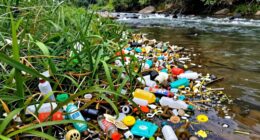
Many people believe recycling happens automatically or that all waste is processed without effort, but that’s a myth. Proper sorting and rinsing are essential to prevent contamination, which can cause entire batches to be landfilled. Contaminated or mixed recyclables often get rejected, reducing recycling rates and value. If you follow local guidelines and understand the process better, you can help improve recycling success. Keep exploring to discover what truly happens to your trash and how you can make a difference.

Get garden gear delivered free — and shop member deals
- Fast, free delivery on millions of items
- Access to Prime Big Deal Days deals on October 6–7
- Prime Video, Amazon Music and more included
Key Takeaways
- Recycling is not automatic; proper sorting and cleaning by individuals are essential for materials to be effectively recycled.
- Contaminated or mixed recyclables often lead to rejection and landfilling, reducing overall recycling success.
- Many assume waste facilities handle everything seamlessly; in reality, contamination and improper preparation hinder recycling.
- Education on local recycling guidelines improves participation and prevents recyclable materials from being discarded improperly.
- The recycling process involves multiple stages that depend heavily on the quality of input from consumers, influencing the outcome.

Many people also assume that recycling is a seamless process managed entirely by waste facilities, but the truth is, your participation makes a huge difference. Proper sorting of recyclables, rinsing containers, and avoiding contamination ensure that more materials are successfully recycled. When recyclables are contaminated or mixed with non-recyclables, they often get rejected, ending up in landfills anyway. Educating yourself about what can and cannot be recycled, and following local guidelines, maximizes your impact. Recycling isn’t just about tossing items into a bin; it’s about being mindful of how your actions influence the entire recycling chain. Additionally, understanding the recycling process can help you make more informed choices and improve overall waste management efforts.
recycling bin with separate compartments
As an affiliate, we earn on qualifying purchases.
As an affiliate, we earn on qualifying purchases.
Frequently Asked Questions
How Long Does It Take for Recycled Materials to Become New Products?
Recycling timelines vary depending on the material and process, but generally, it takes a few weeks to a few months for recycled materials to become new products. During the material transformation processes, your trash is sorted, cleaned, and processed before being turned into raw materials. You can speed up this cycle by properly rinsing recyclables and following local guidelines, ensuring your waste moves efficiently through the recycling system.
Are All Types of Plastics Recyclable Everywhere?
Plastic puzzles perplex many, but not all plastics are perfectly portable everywhere. You’ll notice plastic labeling and recycling symbols on containers; these help determine if your local facility accepts that plastic type. Some plastics, like PET or HDPE, are widely recyclable, while others, like certain PVCs, might be problematic. Always verify your local recycling rules to ensure proper processing and prevent potential pollution or processing problems.
What Happens to Non-Recyclable Waste in the Recycling Process?
When non-recyclable waste enters the recycling process, it often gets mixed with recyclables, causing waste contamination. This can lead to increased landfill overflow because the contaminated materials can’t be properly processed. As a result, your effort to recycle may unintentionally contribute to more waste ending up in landfills, highlighting the importance of only recycling accepted materials and reducing non-recyclable waste to protect the environment.
Can Recycling Actually Reduce My Carbon Footprint Significantly?
Recycling can considerably reduce your carbon footprint by decreasing the energy needed to produce new goods and lowering greenhouse gas emissions. When you actively recycle, you help lessen the environmental impact of waste, conserve natural resources, and promote sustainability. While it’s not a complete solution, your efforts make a meaningful difference in fighting climate change, showing that small actions collectively lead to a healthier planet.
How Can I Tell if My Local Recycling Center Accepts Specific Items?
Think of your local recycling center as a gatekeeper, deciding what can pass through. To find out if they accept specific items, check their website or call directly. Most centers have an accepted item list that clearly outlines what’s allowed. This way, you avoid the trash bin of confusion and guarantee your efforts are truly recycling, not just adding to the landfill. Always stay informed on their recycling center policies!
Conclusion
So, next time you toss that bottle in the bin, remember there’s more to the story than meets the eye. Recycling isn’t a perfect magic trick; it’s a delicate dance of effort and awareness. By staying informed and mindful, you help guarantee your good intentions don’t slip through unseen cracks. Keep questioning, keep learning—your small actions ripple outward, quietly shaping a cleaner, more hopeful tomorrow. After all, every bit of effort counts more than you realize.
Fall yard work Picks
leaf blowers
As an affiliate, we earn on qualifying purchases.