Choosing between MERV and HEPA filters depends on your specific needs. MERV filters work well for general air quality, trapping dust, pollen, and pet dander, and are less expensive to maintain. HEPA filters, however, provide superior removal of tiny particles like bacteria, viruses, and smoke, making them ideal for allergy or asthma sufferers. To make certain you’re not wasting money or missing out on effective filtration, it’s essential to pick the right type—more details follow.
Key Takeaways
- HEPA filters provide superior removal of microscopic particles, ideal for allergies, asthma, and virus filtration.
- MERV filters are cost-effective and suitable for general air quality in large spaces, but less effective against tiny particles.
- Choose HEPA for medical, clean room, or high-risk environments; opt for MERV for broad indoor air quality improvements.
- HEPA filters require more frequent replacement and maintenance; MERV filters are generally cheaper and longer-lasting.
- Proper filter selection depends on your specific air quality needs and the size of particles you need to trap.

When choosing air filtration systems, understanding the differences between MERV and HEPA filters is vital. These filters serve different purposes and are designed to handle various air quality concerns. MERV filters, or Minimum Efficiency Reporting Value filters, are rated based on their ability to trap particles of different sizes. They’re often used in HVAC systems and come in a range of ratings from 1 to 20. HEPA filters, or High-Efficiency Particulate Air filters, are designed to trap at least 99.97% of particles as small as 0.3 microns. They’re commonly found in medical settings, clean rooms, and high-grade air purifiers. Recognizing these differences helps you select the right filter for your specific needs, preventing unnecessary expenses and guaranteeing effective air cleaning.
If you’re considering an air purifier, pay close attention to its filtration system. MERV filters are suitable for general air quality improvement, catching dust, pollen, pet dander, and mold spores. They are generally less expensive and easier to replace but might not catch the tiniest airborne particles. HEPA filters excel at removing microscopic pollutants like bacteria, viruses, smoke particles, and other allergens that can worsen respiratory issues. However, they tend to be more costly and require more frequent maintenance to keep them functioning efficiently. When it comes to air purifier maintenance, knowing the right filter replacement tips is vital. HEPA filters typically need changing every 6 to 12 months, depending on usage and air quality, while MERV filters might last longer but still need regular inspection. Always follow the manufacturer’s guidelines for replacement, and avoid running your system with a clogged filter, which can reduce efficiency and strain your device. Additionally, understanding air filtration effectiveness can help you make informed decisions about your indoor air quality needs.
Choosing the wrong filter can compromise your air quality or waste money on unnecessary features. For example, if you have allergies or asthma, a HEPA filter might be your best choice because of its superior particle removal. Conversely, if you’re looking to improve the overall air quality in a large space with minimal sensitivities, a high-rated MERV filter might suffice. Remember that proper air purifier maintenance, including timely filter replacements, guarantees your system works at peak performance. Keep track of your filter change schedule and inspect filters regularly for dirt buildup or damage. This simple step extends the lifespan of your unit, maintains indoor air quality, and saves you money in the long run.

240 Pints Commercial Dehumidifier for Basements, Industrial Heavy Duty Commercial-grade Portable Dehumidifiers for Large Spaces Warehouse Grow Room, Water Damage Restoration
[ 240 pints High-efficiency Dehumidification ] BLUEDEEP commercial dehumidifier can removal 158PPD at saturation, 74 pints per day...
As an affiliate, we earn on qualifying purchases.
Frequently Asked Questions
Can MERV Filters Trap Viruses Effectively?
Yes, MERV filters can trap some viruses and airborne pathogens, but their effectiveness depends on their filter efficiency rating. Higher MERV ratings, like 13-16, are better at capturing smaller particles, including many airborne pathogens. However, HEPA filters are more effective for viruses due to their superior filter efficiency. If you’re concerned about viruses, choosing a HEPA filter provides better protection, but verify your HVAC system can handle it.
Are HEPA Filters Suitable for Small Residential Spaces?
A HEPA filter is perfect for small residential spaces, transforming your air quality from a mere breath to a pristine oasis. You’ll notice the difference as it captures 99.97% of airborne particles, including allergens and viruses. While the filter lifespan varies with use, maintaining it guarantees ongoing efficiency. For compact spaces, HEPA filters provide exceptional purification, creating a healthier environment without overwhelming your home.
How Often Should MERV and HEPA Filters Be Replaced?
You should replace MERV filters every 3 to 6 months and HEPA filters every 6 to 12 months to maintain ideal air quality. Regular replacements ensure the filter lifespan is maximized and air remains clean. Factors like indoor pollution levels and usage can influence these timelines, so check your filters periodically for dirt buildup. Staying on schedule prevents airflow issues and keeps your indoor environment healthier and fresher.
Do HEPA Filters Produce Any Harmful Emissions?
Imagine a breath of crisp, clean air filling your lungs—that’s what a HEPA filter aims to do. Rest assured, HEPA filters don’t produce harmful emissions; they capture airborne particles without releasing chemicals into your air quality. Instead, they improve your environment by trapping dust, pollen, and allergens. You can enjoy fresher, healthier air without concern about chemical emissions contaminating your space, making your home safer and more comfortable.
Which Filter Type Is More Energy-Efficient?
HEPA filters tend to be more energy-efficient than high-MERV filters because they require less filter energy to operate effectively. When you compare their efficiency, you’ll find that HEPA filters deliver high filtration with lower energy consumption, making them a better choice if you’re concerned about filter energy and overall efficiency. However, consider your specific needs, as some high-MERV filters might be less energy-efficient but better suited for certain pollutants.

Waykar 155 Pints Commercial Dehumidifier with Pump, Drain Hose and Washable Filter Space up to 8000 Sq. Ft, for Basements, Industrial or Commercial Spaces - 5 Year Quality Coverage
【High-Efficiency Commercial Dehumidifier for 8,000 Sq. Ft.】Waykar powerful commercial dehumidifier with pump removes up to 155 pints of...
As an affiliate, we earn on qualifying purchases.
Conclusion
When choosing between MERV and HEPA filters, remember that HEPA filters remove 99.97% of particles as small as 0.3 microns, making them ideal for allergies or asthma. However, MERV filters offer versatile options for general air quality. Selecting the right filter depends on your needs. Don’t overlook this; studies show that using HEPA filters can reduce airborne allergens by up to 85%, profoundly improving your indoor air quality and health.

ALORAIR Commercial Dehumidifier 113 Pint, with drain Hose for Crawl Spaces, Basements, Industry Water Damage Unit, Compact, Portable, Auto Defrost, Memory Starting, 5 Years Warranty, Sentinel HD55
113 Pint Dehumidifier: AlorAir Sentinel HD55 commercial dehumidifier can remove 113 PPD at saturation, 53 pints per day...
As an affiliate, we earn on qualifying purchases.
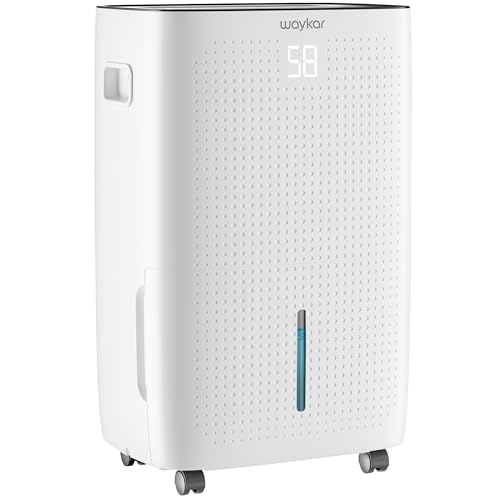
Waykar 150 Pint 7,000 Sq.Ft Dehumidifier with Pump for Basement & Home, Large Room, Smart Compressor Dehumidifier with Drain Hose & Tank for Commercial, 30–80% RH Control, 90° Auto Swing, Auto Defrost
【150 Pint High Capacity for Up to 7,000 Sq.Ft Spaces】Removes up to 150 pints of moisture per day...
As an affiliate, we earn on qualifying purchases.