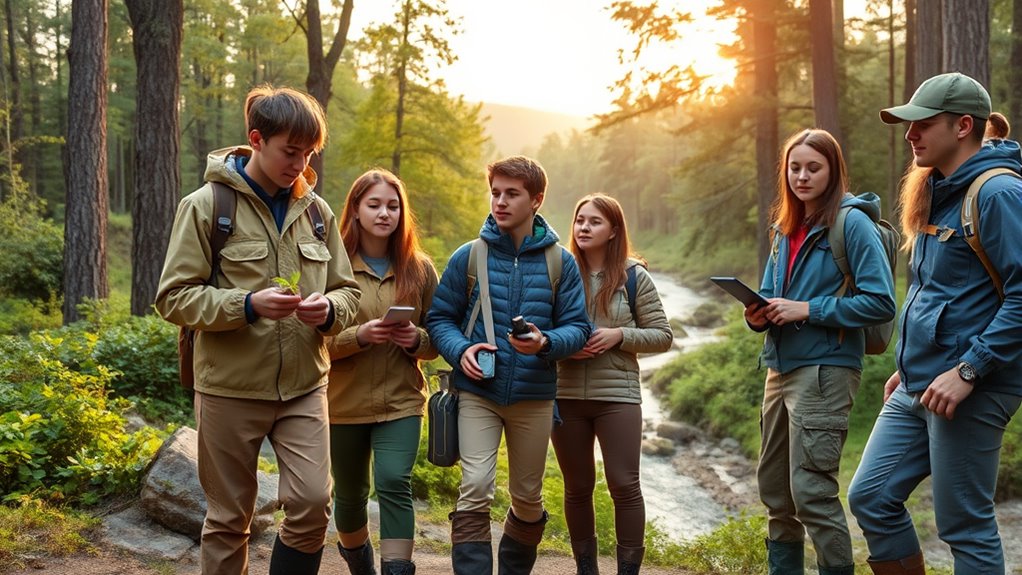

If you’re interested in environmental careers, you should explore fields like renewable energy, conservation policies, and sustainable development. You can engage with solar, wind, or geothermal projects, or work to influence laws that protect ecosystems and wildlife. Developing skills in science, communication, and problem-solving will help you succeed. Whether you want to make a local impact or work globally, these careers offer meaningful ways to contribute to a sustainable future. Keep exploring to discover more opportunities.
Key Takeaways
- Explore careers in renewable energy, such as solar, wind, and geothermal, to support sustainable solutions.
- Understand conservation policy roles to influence laws protecting ecosystems and wildlife.
- Develop skills in environmental science, communication, and problem-solving for diverse environmental careers.
- Recognize the impact of these careers in improving air, water quality, and preserving habitats.
- Consider opportunities for local or international work, combining innovation with environmental advocacy.
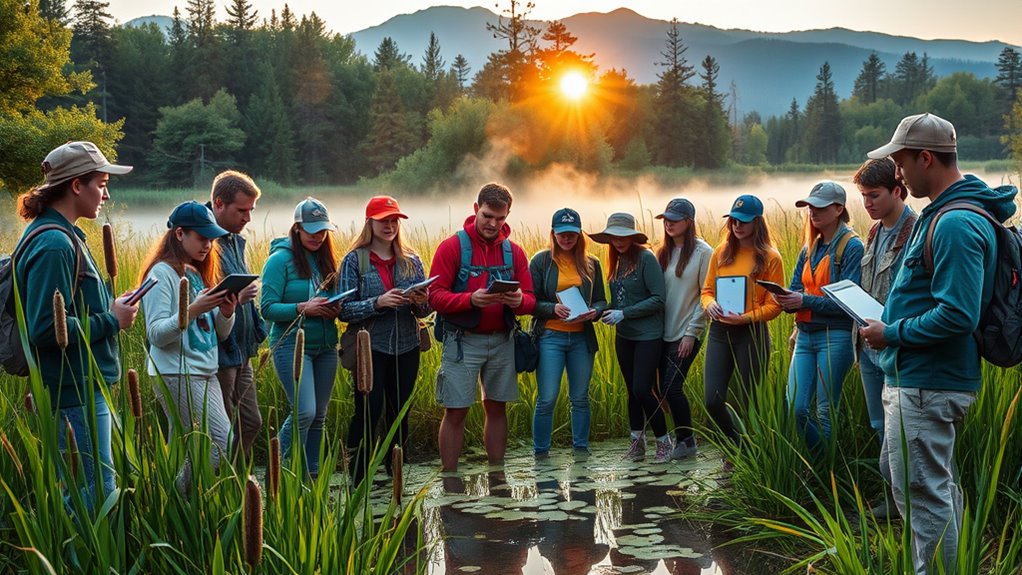
Are you interested in making a real difference for the environment? If so, exploring careers in renewable energy and conservation policies can be incredibly rewarding. These fields are at the forefront of efforts to combat climate change and preserve natural resources, and they offer opportunities for you to actively contribute to a sustainable future. Working in renewable energy means engaging with innovative technologies like solar, wind, and geothermal power, helping communities transition away from fossil fuels. As a professional in this area, you might design, develop, or implement clean energy projects that reduce greenhouse gas emissions. Your role could involve conducting research, managing installations, or advising policymakers on best practices. With the world increasingly investing in renewable energy sources, your skills will be in demand, making this a practical and impactful career path.
Conservation policies are equally essential. They form the legal and strategic framework that protects ecosystems, wildlife, and natural resources. As an advocate or policy analyst, you can influence laws and regulations that promote sustainable land use, protect endangered species, or regulate pollution. Your work might involve engaging with government agencies, NGOs, or local communities to develop and promote conservation initiatives. By shaping policies that balance economic development with environmental protection, you help ensure that ecosystems remain healthy for generations to come. This career allows you to combine scientific knowledge with advocacy skills, making a tangible difference by influencing decisions at both local and national levels. Additionally, understanding environmental science is crucial for crafting effective policies and solutions.
Both renewable energy and conservation policy careers require a solid understanding of environmental science, as well as strong communication and problem-solving skills. You’ll need to stay updated on technological advances and legislative changes to be effective. Many roles involve collaboration across disciplines, from engineering and biology to law and public policy. You might find yourself working on grant proposals, conducting environmental impact assessments, or educating the public about sustainable practices. Your efforts can lead to tangible outcomes, like cleaner air and water, preserved habitats, or increased renewable energy adoption. These careers also offer the chance to work internationally or locally, depending on your interests, giving you flexibility in how you make an impact.
Ultimately, careers in renewable energy and conservation policies empower you to be part of the solution. They allow you to turn environmental challenges into opportunities for innovation and positive change. If you’re passionate about protecting the planet and enthusiastic to make a difference, these fields provide meaningful ways to turn that passion into a career. By pursuing work in these areas, you can help build a more sustainable world while fulfilling your professional ambitions.

Greenhouse Heater 1500W with APP Remote Control, Greenhouse Heater With Thermostat, Portable Outdoor Heater for Plants Vegetables Flowers,Smart Electric Safe Heater for Green house,Grow Tents,Garage
Remote Control, Convenient and Smart: Our greenhouse heater can be connected to your smartphone by downloading the "Smart...
As an affiliate, we earn on qualifying purchases.
Frequently Asked Questions
What Certifications Boost Employability in Environmental Careers?
Getting green certifications like LEED, GRES, or CPSM can markedly boost your employability in environmental careers. These environmental credentials demonstrate your expertise and commitment to sustainable practices, making you stand out to employers. By earning these certifications, you show that you possess the necessary skills and knowledge to contribute effectively to green projects and initiatives, increasing your chances of landing desirable roles in the environmental sector.
How Can Students Gain Practical Experience Before Graduation?
You can gain practical experience before graduation by participating in internship programs and volunteer initiatives. These opportunities allow you to work directly in environmental settings, develop hands-on skills, and build connections in the field. Seek out local organizations, government agencies, or non-profits offering internships or volunteer roles focused on environmental projects. Actively engaging in these activities helps you gain valuable experience, enhances your resume, and prepares you for a successful career after graduation.
Which Environmental Sectors Have the Highest Job Growth?
You’re planting seeds in the soil of tomorrow’s job market. Sectors like renewable energy and conservation technology are blooming fastest, driven by global efforts to combat climate change. As you nurture your skills in these fields, you’ll find opportunities growing rapidly. The future’s promising, with innovation fueling job growth in sustainable energy solutions and environmental preservation. Embrace these sectors, and you’ll be part of shaping a greener, more resilient world.
Are Remote Work Opportunities Available in Environmental Fields?
Yes, remote work opportunities are increasingly available in environmental fields. You can find remote internships and participate in virtual volunteering projects that let you contribute from anywhere. These options help you gain experience, expand your network, and make an impact without needing to be onsite. Keep an eye on environmental organizations and job boards; many now offer flexible, remote roles to support your career growth.
What Interdisciplinary Skills Are Most Valuable for Environmental Careers?
You should focus on developing interdisciplinary skills like collaborative problem solving and data analysis skills. These are essential because environmental issues often require working across fields, combining scientific understanding with policy or community engagement. By honing your ability to analyze data effectively and solve problems collaboratively, you’ll be better prepared to tackle complex environmental challenges and contribute meaningfully to sustainable solutions. These skills make you a versatile and valuable team member in the field.

LHUKSGF Greenhouse Heater with Digital Thermostat, Grow Tent Heaters, Overheat Protection, Fast Heating for Green House, Flower Room, Yellow
【Greenhouse Heater】: The greenhouse heater is equipped with a thermostat that easily heats up to 150 ft ²...
As an affiliate, we earn on qualifying purchases.
Conclusion
As you step into the world of environmental careers, remember you’re planting seeds for a greener future. Each role is a essential brushstroke on the canvas of our planet’s health, and your passion can spark a ripple effect of change. Embrace these opportunities like a navigator steering through uncharted waters—bold, curious, and ready to make waves. Your journey isn’t just about a career; it’s about becoming the heartbeat of Earth’s vibrant symphony.

Greenhouse Heater with Thermostat, Auto Temperature Control Kit with Digital Display, Fast Heating, Overheat Protection, for Grow Tent, Greenhouse, Flower Room, Patio, Winter Plants
Auto Temperature Control Kit: This kit includes a reliable greenhouse heater and a precise digital thermostat, designed to...
As an affiliate, we earn on qualifying purchases.

GNRZZT Greenhouse Heater with Digital Thermostat, Green House Heater for Plants,1500W Electric Grow Tent Heaters, Overheat Protection, Fast Heating for Green House, Flower Room, Yellow
EFFICIENT HEATING: The stainless steel greenhouse heater, equipped with a digtial thermostat, efficiently heats up to 160 ft²...
As an affiliate, we earn on qualifying purchases.