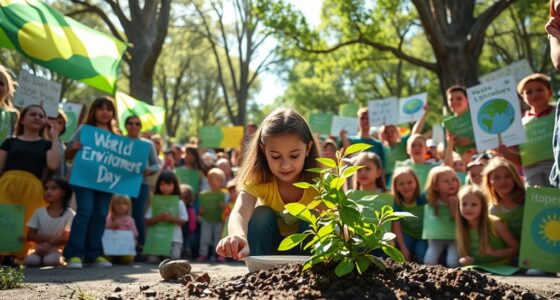

Earth Day began in 1970 as a grassroots movement to raise awareness about pollution and protect natural resources. Over time, it grew into a worldwide event that unites individuals, communities, and governments to promote sustainability and responsible practices. Its impact includes inspiring key policies like the Clean Air and Water Acts and encouraging everyday actions that help the environment. To see how this movement continues shaping our planet, keep exploring its history and ongoing influence.
Key Takeaways
- Earth Day was founded in 1970 to raise awareness about pollution and environmental issues, leading to major policy changes.
- It evolved into a global movement, uniting individuals, communities, and governments for sustainability efforts.
- Earth Day inspired legislation like the Clean Air Act and Clean Water Act, shaping environmental protections.
- Community activities during Earth Day promote sustainable practices like waste reduction, tree planting, and conservation.
- It serves as a reminder for ongoing environmental action, encouraging responsible habits and policy advocacy worldwide.

Have you ever wondered why April 22nd is dedicated to celebrating our planet? It’s because Earth Day was established to raise awareness about environmental issues and inspire action. The roots of this global movement trace back to 1970, when millions of people across the United States took to the streets, parks, and campuses to protest pollution and advocate for change. This collective voice led to the creation of important environmental policies, such as the Clean Air Act and the Clean Water Act, which laid the groundwork for stronger protections. Earth Day’s inception was driven by a surge of concern over air and water pollution, as well as the recognition that our natural resources needed urgent safeguarding.
Earth Day began in 1970, uniting millions to protest pollution and champion environmental protections.
Over the decades, Earth Day has grown into a worldwide event, uniting individuals, communities, and governments in a shared commitment to sustainability. It’s not just about one day of activism but about fostering a culture of sustainable practices that can be embedded into everyday life. When you participate in Earth Day activities, you’re contributing to a larger movement that pushes for responsible environmental policies and conscious choices. These policies help regulate industries, reduce emissions, and promote renewable energy sources, which are *essential* for addressing climate change. By supporting and advocating for such policies, you’re helping to create a more sustainable future.
The impact of Earth Day extends beyond just raising awareness; it has inspired tangible change in both legislation and personal habits. Schools, businesses, and city governments often launch initiatives that emphasize waste reduction, energy efficiency, and conservation efforts during this time. When you choose to engage—whether through planting trees, cleaning up local parks, or simply spreading awareness—you’re reinforcing the importance of sustainable practices. These small actions, when multiplied across millions of people, can lead to significant environmental improvements.
Furthermore, Earth Day serves as a reminder that protecting the planet is a continuous effort. It encourages everyone to evaluate their own habits and make eco-friendly choices. From reducing plastic use to supporting clean energy projects, your individual actions contribute to a collective push for environmental resilience. As the movement evolves, it also influences policymakers to prioritize sustainability in their agendas, ensuring that environmental policies keep pace with scientific advancements and societal needs. Earth Day’s history proves that when people unite with a common purpose, they can drive meaningful change, shaping policies and practices that preserve our planet for generations to come.
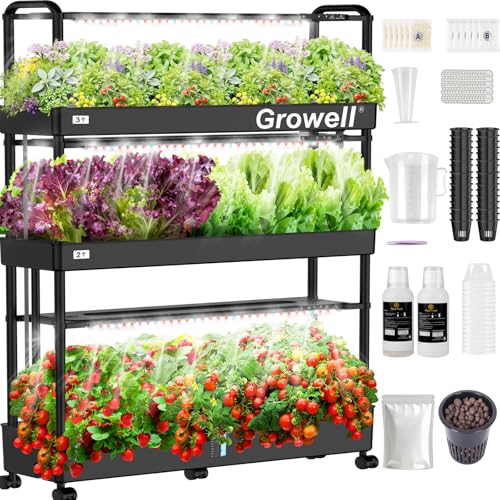
Large Hydroponics Growing System Kit, 48 Pods Vertical Hydroponic Garden, with 48 Large Buckets, 40L Indoor Garden System for Herb Vegetable Fruit, with 2 Light Modes, Auto Circulating Water System
3-Tier Large Hydroponics Growing System: Boasting 48 pods paired with 48 large 3-inch planting buckets. Growell vertical hydroponics...
As an affiliate, we earn on qualifying purchases.
Frequently Asked Questions
How Has Earth Day Influenced Global Environmental Policies?
You see, Earth Day has greatly influenced global environmental policies by raising awareness about climate change and promoting renewable energy. It encourages governments to adopt greener practices, invest in sustainable technologies, and implement policies that reduce carbon emissions. Each year, Earth Day mobilizes millions worldwide to push for stronger environmental protections, making a tangible difference in how nations address climate issues and shift towards renewable energy sources for a healthier planet.
What Are the Most Significant Achievements of Earth Day Campaigns?
Imagine planting a seed that grows into a mighty tree—Earth Day campaigns have achieved this through climate activism. They’ve inspired millions to push for renewable energy policies, reducing carbon emissions worldwide. One significant achievement is the increased adoption of solar and wind power, proving collective effort can transform our planet’s future. Your participation helps sustain this growth, fostering a healthier environment for generations to come.
How Do Different Countries Celebrate Earth Day?
You’ll notice that different countries celebrate Earth Day through unique cultural traditions and national observances. Some organize community cleanups, tree-planting events, or educational workshops, while others hold rallies or environmental fairs. These celebrations reflect each nation’s values and priorities, showcasing how they honor environmental protection. By participating, you can see how diverse cultural traditions come together in global efforts to raise awareness and promote sustainability.
What Are the Challenges in Maintaining Earth Day’S Momentum?
You face challenges in maintaining Earth Day’s momentum as climate change accelerates and awareness grows. Corporate responsibility remains a hurdle, as companies may prioritize profits over sustainability. To keep the movement alive, you must encourage ongoing activism, policy change, and sustainable practices. Overcoming complacency and ensuring global collaboration are essential. By staying committed, you can help sustain environmental efforts beyond Earth Day and foster long-term positive change.
How Can Individuals Contribute Beyond Earth Day Celebrations?
You can contribute beyond Earth Day by adopting a sustainable lifestyle, like reducing waste, conserving energy, and choosing eco-friendly products. Get involved in community activism to push for local environmental policies and raise awareness. Volunteering for clean-up events or supporting green initiatives makes a real difference. Small, consistent actions help sustain momentum and inspire others to prioritize environmental health year-round, creating lasting positive change beyond just one day.

Woolooloo Large Hydroponics Growing System Kit, 5-Tier Indoor Herb Garden with Smart Climate Control, Auto Misting, Full Spectrum Grow Light, Vertical Hydroponic System for Home or Commercial
5-Tier Large hydroponics growing system kit Growing System: Maximize your indoor gardening with a modular 5-tier hydroponic kit...
As an affiliate, we earn on qualifying purchases.
Conclusion
As you reflect on Earth Day’s history, remember it’s more than just a date—it’s a movement that’s inspired over 190 countries to take action. Did you know that since its inception in 1970, Earth Day has helped plant over 50 million trees worldwide? That’s a powerful reminder of your ability to make a difference. By staying engaged, you contribute to protecting our planet for future generations—because every effort counts.

NOVAMART Hydroponic Plant Growing System – 36-Site PVC Indoor Garden Tower with AU/US Plug | Soil-Free Vertical Hydro Grow Kit with Planting Baskets, Sponges & Irrigation Tube | White
● 🌱 Complete Hydroponic System – 36 Plant Capacity: Grow fresh herbs, leafy greens, and vegetables at home...
As an affiliate, we earn on qualifying purchases.

LYCereal Hydroponics Growing System, 30-Plant Indoor Hydroponic Tower with Timer and Pump System, Plants Germination Kit, Vertical Hydroponic System for Gardening Lover (No Seed)
Easy, Low Maintenance: Just minutes a week to add water and nutrients - our advanced hydroponics system does...
As an affiliate, we earn on qualifying purchases.