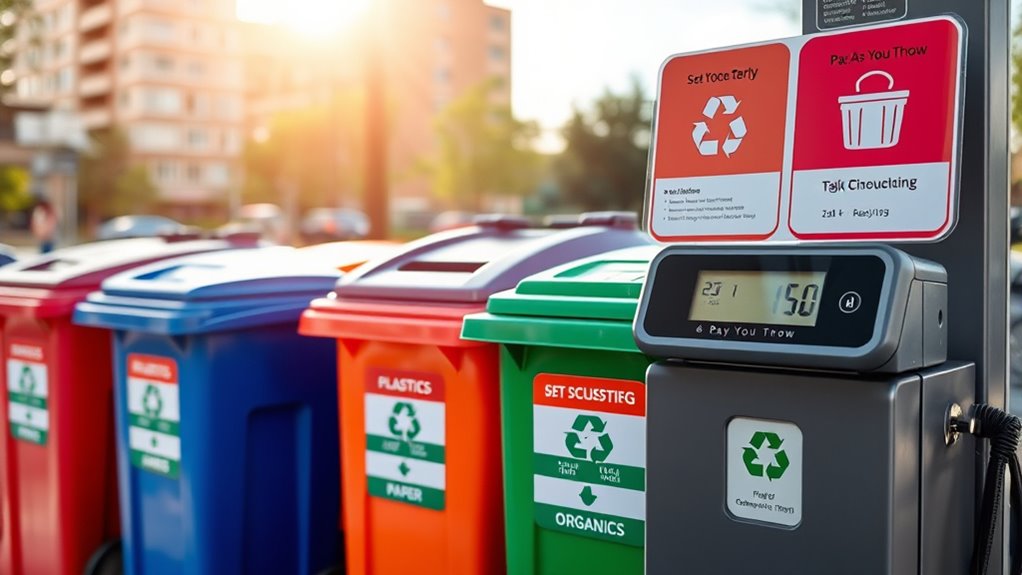

Implementing waste sorting and pay-as-you-throw programs helps you reduce trash sent to landfills, encourages recycling, and promotes responsible waste habits. By properly separating recyclables, organics, and trash at the source, you minimize pollution and conserve resources. Pay-as-you-throw further incentivizes waste reduction by charging based on how much waste you produce. These strategies make recycling more efficient and foster a community culture of sustainability. Keep exploring to understand how these methods can transform your waste management practices.
Key Takeaways
- Pay-As-You-Throw programs incentivize waste reduction by charging residents based on the amount of waste they dispose of.
- Proper waste sorting enhances recycling efficiency and quality, supporting the goals of PAYT initiatives.
- PAYT encourages residents to practice waste separation at the source, reducing contamination and promoting recycling.
- Combining waste sorting education with PAYT programs motivates responsible waste management behaviors.
- Implementing PAYT can lead to decreased landfill waste and foster sustainable community waste practices.
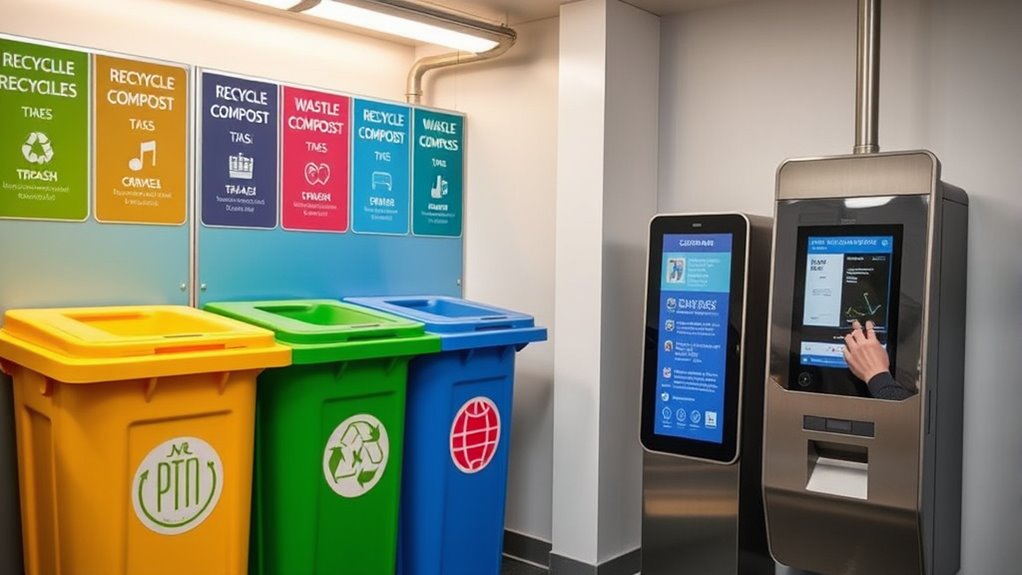
Waste sorting is an essential step toward reducing landfill waste and promoting recycling, and Pay-As-You‑Throw (PAYT) programs make it easier for you to participate. When you sort your waste properly, you’re actively contributing to a more sustainable environment. Recycling education plays a crucial role here, helping you understand what materials can be recycled and how to separate them correctly. With better knowledge, you’re more likely to follow waste reduction strategies that minimize the amount of trash you generate. These strategies include reusing items, composting organic waste, and avoiding single-use plastics, all of which work hand-in-hand with proper waste sorting.
Proper waste sorting reduces landfill waste and supports recycling efforts.
By learning about recycling and waste reduction, you can feel empowered to make smarter choices about your waste. Many communities offer resources like workshops, online guides, and signage to help you identify recyclable materials and understand local sorting rules. When you invest time in recycling education, you’re not only reducing waste but also decreasing the contamination of recyclable materials, which is vital for efficient recycling processes. Proper sorting ensures that recyclable items aren’t thrown away with regular trash, which often ends up in landfills. This simple act extends the lifespan of landfills and reduces the need for new waste disposal sites.
PAYT programs reinforce your waste sorting efforts by assigning costs based on the amount of waste you generate. With this system, you pay for what you throw away, incentivizing you to reduce unnecessary waste. It’s a direct financial motivation to adopt waste reduction strategies, like composting food scraps or reusing containers. These programs encourage you to be more mindful of your consumption habits because the less waste you produce, the less you pay. When combined with recycling education, PAYT programs help create a community-wide culture of responsible waste management.
Furthermore, waste sorting becomes more straightforward when you understand the benefits. It reduces pollution, saves resources, and conserves energy. You can participate actively in local recycling initiatives by separating plastics, paper, metals, and organic waste at the source. Proper waste sorting also simplifies the work for recycling facilities, leading to higher quality recyclables and fewer items sent to landfills. Implementing vertical storage solutions can further optimize space for waste management at home, making sorting more efficient and accessible. Over time, these practices help foster a cleaner environment and promote sustainable living.
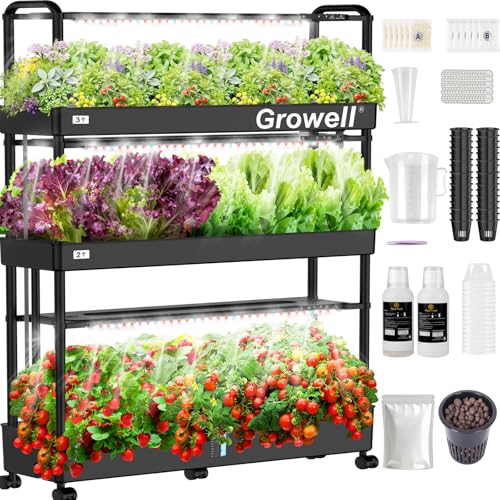
Large Hydroponics Growing System Kit, 48 Pods Vertical Hydroponic Garden, with 48 Large Buckets, 40L Indoor Garden System for Herb Vegetable Fruit, with 2 Light Modes, Auto Circulating Water System
3-Tier Large Hydroponics Growing System: Boasting 48 pods paired with 48 large 3-inch planting buckets. Growell vertical hydroponics...
As an affiliate, we earn on qualifying purchases.
Frequently Asked Questions
How Does Pay-As-You-Throw Impact Low-Income Households?
Pay-As-You-Throw impacts low-income households by making waste disposal more affordable through accessible, affordable waste programs. It encourages community engagement, helping residents understand waste reduction benefits and how to manage costs effectively. While some may worry about added expenses, proper education and support can minimize financial burdens, ensuring these programs are fair and beneficial for all. Ultimately, they promote responsible waste habits without disproportionately harming low-income families.
Are There Penalties for Incorrect Waste Sorting?
You wonder if you’ll face penalties for incorrect waste sorting. Typically, communities rely on recycling education and community enforcement to encourage proper sorting. If you don’t follow the rules, you might receive warnings or fines, but the process isn’t always harsh. Authorities prefer to guide you toward correct practices rather than punish. Stay informed, listen to local guidelines, and you’ll avoid penalties while helping the environment.
How Can Communities Encourage Proper Waste Separation?
You can encourage proper waste separation by boosting community engagement through local events and campaigns. Implement educational programs that clearly explain sorting rules and benefits, making it easier for everyone to participate. Provide accessible resources like flyers or workshops, and recognize residents who consistently sort correctly. When people understand the positive impact and feel involved, they’re more likely to follow proper waste separation practices, creating a cleaner, more sustainable community.
What Technologies Support Efficient Waste Sorting?
You can leverage recycling innovations and advanced sorting technology to improve waste separation. Modern sorting technology uses AI, sensors, and robotics to quickly identify and separate recyclables from waste streams, increasing efficiency. These innovations reduce contamination, save time, and lower costs. By adopting such technologies, communities make waste sorting easier and more effective, encouraging residents to participate actively in recycling efforts and creating a more sustainable waste management system.
How Does Pay-As-You-Throw Influence Overall Waste Reduction?
Pay-as-you-throw motivates you to reduce waste by making you more mindful of your trash, like a personal coach reminding you to stay on track. This system boosts recycling incentives by encouraging waste diversion, leading to less landfill overflow. Studies show communities adopting pay-as-you-throw see significant waste reductions, proving that when you’re charged for what you throw away, you’re more likely to recycle and cut down on unnecessary waste.
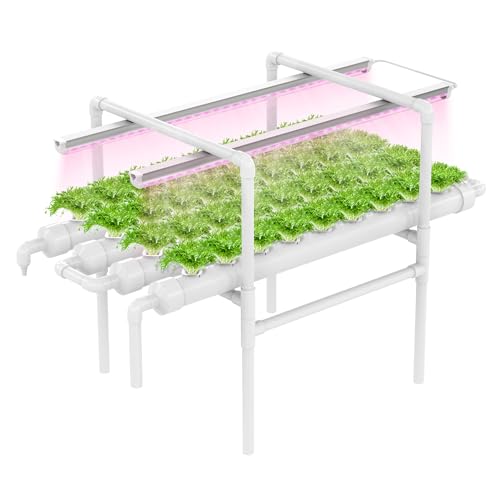
DPROOTS NFT Hydroponic Growing System Kit - Full-Spectrum Grow Lights & Timer | 36 Plant Sites | Food-Grade PVC-U Pipes | Auto Water Pump & Timer | Indoor Gardening for Leafy Greens, Lettuce & Herbs
Ideal for beginners & kids eager to learn hydroponics, this system uses PVC-U pipes. Based on testing, most...
As an affiliate, we earn on qualifying purchases.
Conclusion
By sorting your waste and embracing pay-as-you-throw, you can make a real difference without extra effort or costs. Some might think it’s too complicated or expensive, but it’s actually simple and saves you money in the long run. When you take small steps today, you help protect the environment tomorrow. So, why not start now? Your actions matter, and together, we can create a cleaner, greener future for everyone.

UMIG 12 PCS 4' x 2' x 0.24'' Polycarbonate Greenhouse Panels, Twin-Wall Waterproof UV Protected Corrugated Plastic Roof Panels Sheets, Clear Replacement Panels for Greenhouse, Outdoor, Plant
Protect Plants: Upgraded double-layer design polycarbonate roof panels provide better thermal insulation effect. It create the ideal environment...
As an affiliate, we earn on qualifying purchases.

DGSL 14 Pcs Polycarbonate Greenhouse Panels, 4' x 2' x 0.16'' Twin-Wall Panels, Polycarbonate Sheet for All Weather Outdoor Garden and Greenhouse Covering
Polycarbonate Panels: The greenhouse roof panels allow 80% light transmission into the greenhouse, which greatly benefits plant growth....
As an affiliate, we earn on qualifying purchases.