
Inclusive sustainability means making sure everyone benefits from green living, focusing on fairness, social equity, and involving communities in environmental efforts. It’s about addressing how marginalized groups often face challenges like lack of clean water, air, and affordable renewable energy. By participating in decision-making and community projects, you help build healthier, more resilient towns that include all voices. Keep exploring to discover how you can support fair and inclusive green initiatives for a better future.
Key Takeaways
- Inclusive sustainability ensures environmental benefits are accessible to marginalized communities, promoting social equity.
- Community engagement empowers residents to tailor green solutions that meet local needs and foster ownership.
- Addressing environmental disparities helps vulnerable populations access clean air, water, and renewable energy.
- Promoting social equity in green initiatives builds trust, collaboration, and long-term community resilience.
- Broader inclusivity in sustainability efforts creates fairer, more vibrant communities benefiting everyone.
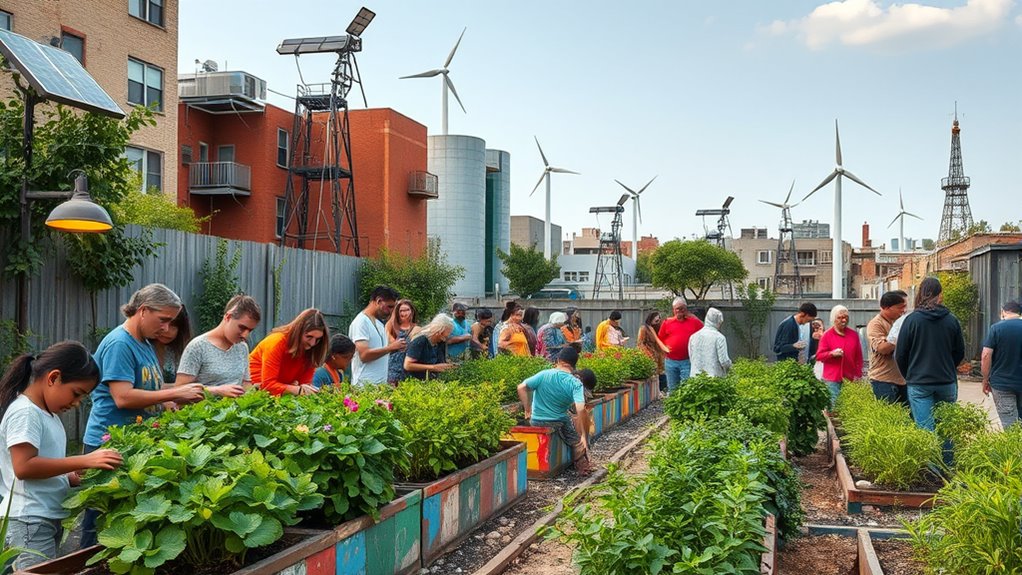
Have you ever wondered how sustainability can truly benefit everyone? It’s a question that gets to the heart of inclusive sustainability—making sure that green living isn’t just for a select few but embraces social equity and community engagement at every turn. When you focus on social equity, you recognize that environmental issues often impact marginalized communities the hardest. These groups may lack access to clean air, safe drinking water, or affordable renewable energy, which means that sustainability efforts must prioritize fairness. Instead of leaving behind vulnerable populations, inclusive sustainability aims to lift everyone up, ensuring that all members of society share in the benefits of a healthier planet.
Community engagement plays a pivotal role here. When you involve local residents in decision-making, you create solutions that are tailored to their specific needs and circumstances. This approach fosters a sense of ownership and responsibility that motivates long-term commitment. For example, organizing neighborhood workshops on renewable energy or waste reduction not only educates but also empowers residents to take action. As you build these connections, you help break down barriers that often prevent underserved communities from accessing green resources. You might see community-led renewable energy projects or urban gardens flourish because they reflect the voices and priorities of those who live there.
Involving residents in green projects fosters ownership, breaks barriers, and empowers underserved communities to thrive sustainably.
By actively promoting social equity and community engagement, you ensure that sustainability initiatives are inclusive from the ground up. It’s about more than just planting trees or recycling; it’s about creating systems that support all people, regardless of their socio-economic background. When communities are engaged, they become active partners rather than passive recipients of policies. This involvement encourages trust, fosters collaboration, and helps identify the most effective and equitable solutions. For instance, involving community members in planning local green spaces guarantees that these areas meet their cultural and practical needs, making them more likely to use and maintain these resources. Incorporating key metrics to evaluate success can help ensure that these initiatives are truly equitable and effective.
Moreover, inclusive sustainability recognizes that addressing social disparities leads to more resilient and vibrant communities. When everyone has access to green jobs, sustainable transportation, and affordable clean energy, the benefits ripple outward, strengthening the social fabric. You contribute to this by supporting initiatives that prioritize social justice and community participation. It’s about creating a future where sustainability isn’t an exclusive privilege but a shared reality—one where everyone has a seat at the table, and their voices shape a fairer, greener world. Making sustainability truly inclusive requires ongoing effort, but the rewards—a more equitable, engaged, and resilient society—are well worth it.

Ethical Mattress CO 10" Toxin-Free Hybrid Mattress, Made in the USA with Organic Cotton, Wool, Latex & Pocketed Coils (No Fiberglass or Polyfoams) Comfortable & Supportive Bed-in-Box - King Size
TOXIN-FREE – this mattress contains no petrochemical polyfoams, no fiberglass, no toxic flame retardants, and as of January...
As an affiliate, we earn on qualifying purchases.
Frequently Asked Questions
How Does Inclusive Sustainability Address Economic Disparities?
You might wonder how inclusive sustainability tackles economic disparities. It promotes economic justice by ensuring marginalized communities have access to green resources and opportunities. This approach advocates for equitable funding, so investments reach underserved areas, allowing everyone to benefit from sustainable practices. By prioritizing fairness and equal access, inclusive sustainability helps bridge economic gaps, empowering all individuals to participate in and benefit from a greener, more just future.
What Role Do Marginalized Communities Play in Green Initiatives?
Like the chorus in a symphony, marginalized communities play a crucial role in green initiatives. Your community engagement helps shape sustainable solutions, ensuring they reflect diverse needs. Overcoming cultural barriers allows these groups to participate fully, giving voice to those often unheard. When marginalized communities are involved, green projects become more equitable and effective, fostering a truly inclusive approach to sustainability that benefits everyone.
Are There Affordable Sustainable Options for Low-Income Households?
You can find affordable sustainable options for low-income households by exploring community gardens and affordable clean energy programs. Community gardens offer access to fresh produce without high costs, promoting local food security. Additionally, many regions provide programs for affordable clean energy solutions like solar panel subsidies or discounted energy plans. These options make green living more accessible, helping you reduce costs while supporting environmental sustainability.
How Can Policy Ensure Fair Access to Green Resources?
You can influence policies that promote fair access to green technology by advocating for equitable resource distribution and government incentives. Policies should prioritize making green resources affordable and accessible, especially for low-income households. Supporting programs that distribute green tech widely ensures everyone benefits from sustainable solutions. By pushing for fair resource distribution, you help create a more inclusive and sustainable future where green living is accessible to all, regardless of income.
What Challenges Exist in Implementing Inclusive Sustainability Globally?
Imagine climbing a mountain with fog obscuring your path—that’s what implementing inclusive sustainability globally feels like. You face cultural barriers that resist change and technological gaps that slow progress. These hurdles make it hard to create fair access to green resources worldwide. Overcoming these challenges demands patience, cooperation, and innovative solutions, ensuring everyone benefits from sustainability efforts, not just the privileged few.

Wow 100% Organic Merino Wool Pillow Top Mattress Topper 2" for Back Pain Relief | Non-Toxic Raw Cotton Cover | Natural Cooling Quilted Fitted Mattress Pad | Hand Made Authentic Comfort | Medium Firm
Organic Merino Wool Pillow Top — WoW wool mattress toppers are crafted to provide maximum comfort and coziness...
As an affiliate, we earn on qualifying purchases.
Conclusion
Imagine a garden where every plant, from the tallest sunflower to the smallest sprout, gets the same nourishing sunlight. Just like that garden, inclusive sustainability ensures no one is left in the shade. When we make green living fair for all, we create a thriving ecosystem where everyone can flourish. Remember, just as every drop of water counts, your efforts toward fairness can help grow a more sustainable, vibrant world for generations to come.

Latex for Less 2-Sided Natural Latex Mattress 7" | Organic Cotton and Pure Wool | Handcrafted in USA | GOTS Certified | Full
INDULGE IN VERSATILE COMFORT WITH DUAL FIRMNESS OPTIONS: Experience the best of both worlds with the innovative 2-in-1...
As an affiliate, we earn on qualifying purchases.
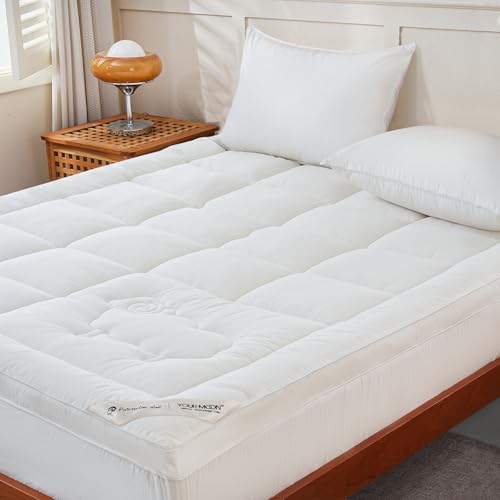
YOUR MOON 100% Organic Wool Mattress Topper Queen Size – Thick Pillow Top Mattress Pad, 800GSM Natural Wool Filling, Back Pain Relief Bed Topper with Cotton Cover-16'' Depth, 60"x80" (Pearl White)
【Naturally Soft, Lasting Support】60x80 inches. Filled with premium 100% organic wool, this 700gsm thick and fluffy mattress topper...
As an affiliate, we earn on qualifying purchases.