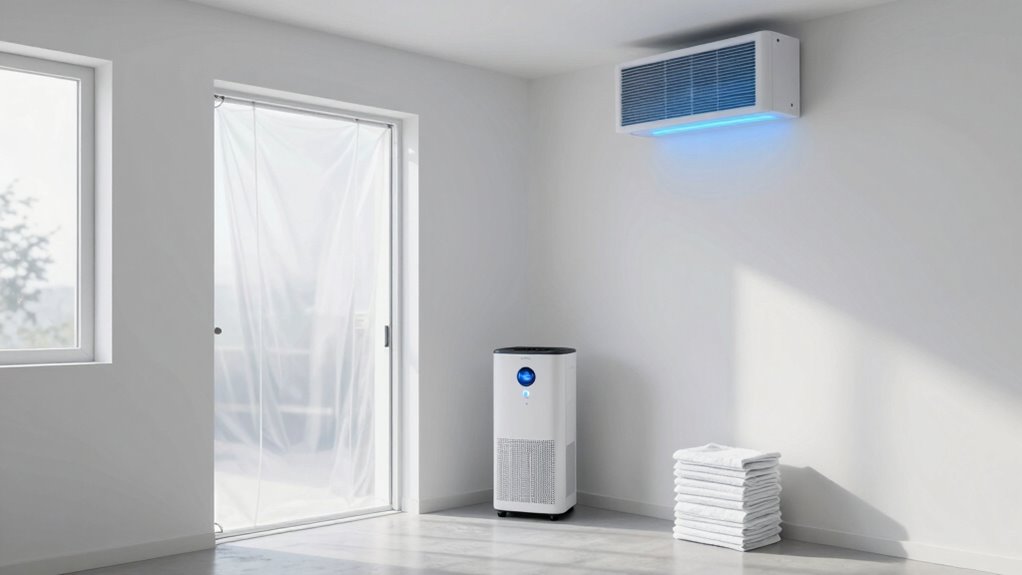
To build a clean-air room during wildfire smoke, choose a small, sealed space with minimal windows and doors, sealing gaps with weather stripping or draft stoppers. Use a high-quality HEPA air purifier, placed centrally and running continuously, to filter out fine particles. Keep the room closed off from outside air, avoid opening windows or vents, and turn off exhaust fans. For more tips on creating an effective safe space, continue exploring ways to improve your indoor air quality.

Get garden gear delivered free with Prime
- Fast, free delivery on millions of items
- Prime Video, Amazon Music and more included
- Member-only deals all year
Key Takeaways
- Select a sealed, minimal-window room to effectively contain clean indoor air during smoke events.
- Use a high-quality HEPA air purifier appropriately sized for the room’s dimensions, running continuously.
- Seal gaps around windows and doors with weather stripping or draft stoppers to prevent outdoor smoke ingress.
- Turn off exhaust fans and avoid opening windows or vents to maintain an airtight environment.
- Keep the space clutter-free and use temporary barriers or airtight doors to enhance enclosure and air quality.
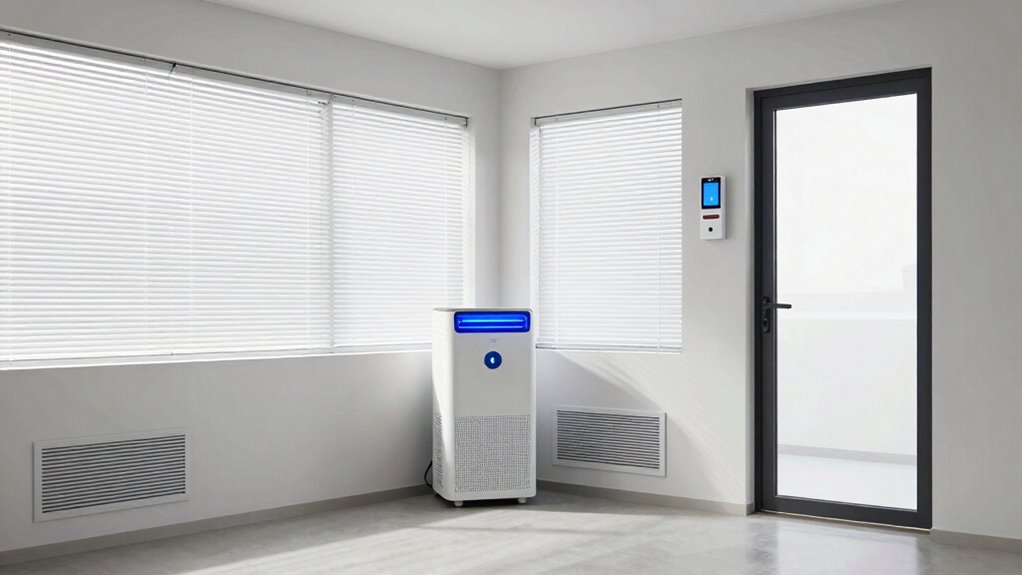
Are you prepared for wildfire smoke season? If not, it’s time to evaluate how you can protect yourself and your loved ones from harmful smoke infiltration. One of the most effective ways to do this is by creating a clean-air room in your home. This space acts as a sanctuary, reducing your exposure to airborne pollutants and supporting your respiratory health during smoky days. Building a clean-air room isn’t complicated, but it does require some planning and the right equipment, especially focusing on air purification.
Create a clean-air room to protect your respiratory health during wildfire smoke season.
To start, you want to select a room that can be easily sealed off from the rest of your house. Ideally, choose a space with minimal windows and doors that can be tightly closed. The goal is to prevent outside air from seeping in and bringing wildfire smoke with it. Once you’ve identified the space, you need to focus on air purification. Invest in a high-quality HEPA air purifier, as these devices are designed to trap fine particles, including those from wildfire smoke, which are often smaller than 2.5 micrometers. Make sure the purifier is appropriately sized for the room—larger rooms require more powerful units. Keep the air purifier running continuously during smoky days to maintain a steady flow of clean, filtered air.
In addition to the air purifier, seal any gaps around windows and doors with weather stripping or draft stoppers. This step helps prevent unfiltered outdoor air from entering the room. If possible, use an airtight door or create a temporary barrier to further enhance the room’s enclosure. Avoid bringing in outside air through open windows or vents, and consider turning off any exhaust fans that might draw in outdoor air, such as bathroom or kitchen fans.
Inside the clean-air room, keep the space clutter-free to improve airflow and maintenance efficiency. Place the air purifier in a central location, away from walls or furniture that could obstruct airflow. Regularly check and replace filters according to the manufacturer’s instructions to ensure maximum performance. During wildfire smoke events, only use the room for essential activities, especially if someone has existing respiratory issues or allergies. Ventilation is essential, but during smoke episodes, it’s better to keep the room sealed and rely on the air purifier to do its job.
Creating a clean-air room gives you control over your indoor environment when outdoor air quality drops. It’s a proactive step that greatly supports your respiratory health and offers peace of mind during wildfire season. With the right setup, you can breathe easier and stay safer, even when the air outside is hazardous. Incorporating home ventilation systems can further enhance your ability to maintain a healthy indoor environment during these times.
HEPA air purifier for wildfire smoke
As an affiliate, we earn on qualifying purchases.
As an affiliate, we earn on qualifying purchases.
Frequently Asked Questions
How Long Does It Typically Take to Build a Effective Clean-Air Room?
Building an effective clean-air room typically takes about one to two weeks, depending on your construction timeline and the level of customization options you choose. You’ll need time for planning, sourcing materials, and installing HEPA filters and sealing the space properly. If you opt for extensive customization, expect a slightly longer timeline. Staying organized and working with experienced contractors can help expedite the process and ensure your room is effective.
What Are the Most Affordable Air Purification Options for Wildfire Smoke?
You can find affordable air purification options for wildfire smoke by making DIY air purifiers using box fans and HEPA filter options. These DIY setups are cost-effective and effective at capturing smoke particles. Look for high-quality HEPA filters that fit your fan, and regularly change them to maintain air quality. This approach saves money while providing cleaner air during wildfire seasons.
Can Existing Rooms Be Easily Converted Into Clean-Air Spaces?
Yes, you can convert existing rooms into clean-air spaces with simple DIY modifications and ventilation strategies. Start by sealing gaps around windows and doors to prevent smoke infiltration. Use portable air purifiers with HEPA filters, and improve airflow by adding exhaust fans or creating negative pressure with ventilation. These steps help reduce smoke indoors, making your space safer during wildfire events, without needing a complete renovation.
How Often Should Air Filters Be Replaced During Wildfire Season?
You should replace your air filters every 1 to 3 months during wildfire season, depending on the air filter lifespan and your home’s air quality. Check your filters regularly—if they look dirty or clogged, it’s time for a replacement. Following a consistent replacement schedule helps maintain peak filtration, reduces indoor smoke, and keeps your indoor air clean and healthy. Don’t wait for discomfort; stay ahead with timely filter changes.
Are There Specific Materials Recommended for Sealing a Clean-Air Room?
You should use durable materials like weatherstripping, foam tape, or caulk for sealing your clean-air room. Focus on sealing techniques that guarantee airtightness around doors, windows, and vents. Opt for materials that resist wear and tear over time, maintaining their sealing effectiveness. Proper sealing with these materials minimizes smoke infiltration, keeping your indoor air clean and safe during wildfire season. Regular checks ensure your seals stay intact.
Conclusion
Just as Moses parted the Red Sea, you can create a sanctuary from wildfire smoke. By building a clean-air room, you’re forging your own refuge amid chaos, restoring clarity and peace within. Think of it as your modern-day ark, protecting you from nature’s fury. Take action now—your lungs and peace of mind will thank you. With a little effort, you’ll navigate smoky days as surely as Noah weathered the storm.
Halloween Picks
halloween
As an affiliate, we earn on qualifying purchases.