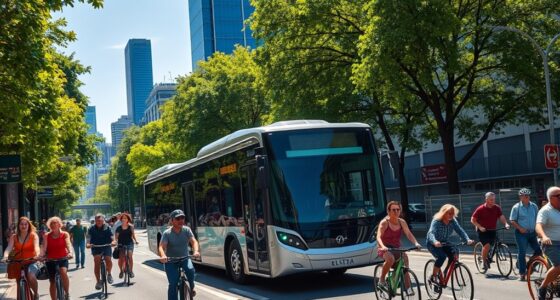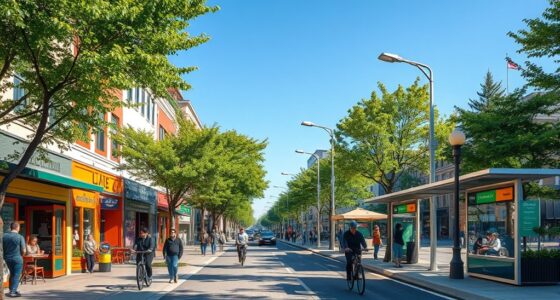
During Climate Week, cities host diverse local events like workshops, panel discussions, and community clean-ups to raise awareness and encourage sustainability efforts. They highlight initiatives such as expanding green spaces, promoting renewable energy, and showcasing infrastructure projects that boost climate resilience. These activities foster community involvement, inspire action, and demonstrate city leadership. If you want to discover how these programs make a real difference, there’s more to explore about their inspiring efforts.
Key Takeaways
- Cities organize workshops, panel discussions, and community clean-up events to raise awareness during Climate Week.
- They host family-friendly activities and art installations to engage residents and highlight environmental themes.
- Local governments showcase green infrastructure projects and renewable energy initiatives as part of Climate Week celebrations.
- Cities promote small actions like conserving energy and supporting green businesses through special campaigns.
- They use events to educate, mobilize residents, and demonstrate ongoing climate resilience and sustainability efforts.

Have you ever wondered how cities are leading the fight against climate change? During Climate Week, local governments and communities come together to showcase their efforts and inspire action. One of the most visible ways they do this is by expanding urban green spaces. Parks, community gardens, and tree-lined streets aren’t just beautification projects; they play a vital role in reducing urban heat islands, improving air quality, and providing residents with natural havens. These green areas foster community engagement and serve as outdoor classrooms for sustainability education. By investing in urban green spaces, cities demonstrate their commitment to building healthier, more resilient environments that can better withstand climate impacts. Strategic planning for urban green spaces can maximize their effectiveness in climate adaptation efforts. Additionally, integrating nature-based solutions into city infrastructure can enhance climate resilience and biodiversity. Utilizing climate adaptation strategies helps cities prepare for and mitigate the effects of climate change more effectively. Moreover, cities are increasingly adopting innovative green infrastructure approaches to manage stormwater and reduce flooding, further bolstering their climate resilience. Cities are also exploring the use of permeable pavements to improve water absorption and decrease runoff during heavy rains. Beyond greening efforts, many cities emphasize renewable energy initiatives as a cornerstone of their climate strategies. During Climate Week, you’ll see local programs promoting solar panel installations on public buildings and incentives for residents to adopt renewable energy sources. These initiatives help cities cut down their reliance on fossil fuels, lowering greenhouse gas emissions markedly. Cities often partner with local businesses and nonprofits to facilitate these projects, making renewable energy both accessible and affordable. Some even set ambitious goals, like achieving 100% renewable energy by a set date, signaling strong leadership and a clear vision for a sustainable future. These efforts not only reduce the carbon footprint but also create new jobs and stimulate the local economy, making climate action an integral part of urban development. Local events during Climate Week serve as platforms to educate and mobilize residents. Workshops, panel discussions, and community clean-up days encourage citizens to participate actively in climate solutions. Many cities also host family-friendly activities and art installations that highlight environmental themes, helping to foster a sense of shared responsibility. These events often emphasize the importance of small actions, like conserving energy at home or supporting local green businesses, which collectively make a big difference. By involving the community directly, cities turn climate initiatives from abstract policies into tangible, everyday practices. Throughout Climate Week, local governments often showcase their ongoing projects and future plans, demonstrating that climate action is an ongoing journey. They highlight successes like increased urban green spaces and renewable energy projects, inspiring other cities to follow suit. This momentum not only raises awareness but also builds a sense of unity and purpose among residents. When you see the tangible progress during Climate Week, it’s clear that city-led initiatives are essential in the global effort to combat climate change. Your participation, whether through attending events or adopting sustainable habits, becomes part of a larger movement that empowers cities to lead the way toward a healthier planet.

2000W Wind Turbine Generator Kit for Home – High-Efficiency Vertical & Horizontal Blades, Controller Included, Ideal for Renewable Energy Production & Sustainable Power Solutions
Discover our unique Five-Leaf Lantern Shape Ceiling Fan featuring a dual-shaft vertical blade design. This innovative structure mimics...
As an affiliate, we earn on qualifying purchases.
Frequently Asked Questions
How Do Cities Measure Their Climate Action Success?
You can measure your city’s climate action success by tracking improvements in urban resilience and climate adaptation efforts. Monitoring reductions in greenhouse gas emissions, increases in renewable energy use, and progress in infrastructure upgrades help you gauge progress. Additionally, evaluating community engagement and policy implementation shows how effectively your city is addressing climate risks and building resilience. These metrics provide clear indicators of your city’s commitment to a sustainable and adaptive future.
What Funding Sources Support Local Climate Initiatives?
Imagine a time traveler arriving today—your city relies on diverse funding sources for climate initiatives. Public-private partnerships play a key role, combining government support with private sector innovation. You also tap into grant funding opportunities from federal agencies, foundations, and international organizations. These resources help finance projects like renewable energy, green infrastructure, and climate resilience. By leveraging these funds, your city accelerates its climate action efforts and demonstrates leadership in sustainability.
How Do Cities Engage Diverse Community Groups in Climate Week?
During Climate Week, you can engage diverse community groups through targeted community outreach and cultural inclusion efforts. By partnering with local organizations, hosting multilingual events, and respecting cultural traditions, you create an inclusive environment that encourages participation. This approach helps guarantee all voices are heard, fostering a sense of shared responsibility. Your active involvement builds stronger community bonds and promotes broader awareness of climate issues across different cultural backgrounds.
What Challenges Do Cities Face During Climate Week Planning?
Did you know that 65% of cities say urban planning challenges hinder their Climate Week efforts? You might face hurdles like coordinating public awareness campaigns, securing funding, or aligning stakeholders. These challenges make it harder to develop impactful events. You must navigate bureaucracy, limited resources, and varying community interests. Overcoming these obstacles requires strategic planning, collaboration, and strong leadership to ensure Climate Week effectively raises awareness and promotes sustainable change.
How Can Citizens Track Ongoing City Climate Programs?
You can stay informed about city climate programs through community engagement efforts like town halls, social media updates, and local newsletters. Many cities also use data tracking platforms or dashboards that provide real-time updates on ongoing initiatives. By actively participating in these channels, you’ll better understand how your city is addressing climate change, and you can contribute ideas or feedback to help improve program effectiveness and community involvement.

3200W Wind Turbine Generator Kit - 5-Blade 12V/24V/48V, Includes 2x100W Solar Panels & 2000W Inverter, Hybrid Wind & Solar Power System for Efficient Renewable Energy
This Wind Generator features a gradual startup speed, ensuring efficient energy utilization even in low winds. Its sleek...
As an affiliate, we earn on qualifying purchases.
Conclusion
As you see, cities play a crucial role during Climate Week, showcasing their commitment through local events and programs. By taking these steps, you’re not just ticking boxes—you’re making a real difference. Remember, change doesn’t happen overnight, but every effort counts. So, keep pushing forward and don’t rest on your laurels. When it comes to fighting climate change, it’s a marathon, not a sprint, and every city’s contribution helps move us closer to a greener future.
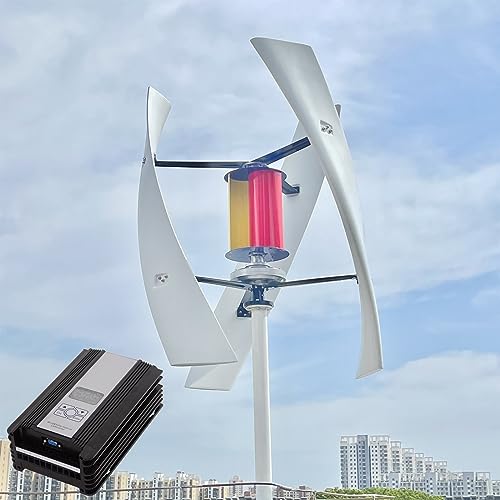
FLTXNY 2000W 48V AC Maglev Generator Vertical Wind Turbine Generator VAWT 2KW Axis Wind Turbine Kits 1.64M Blades with MPPT Charge Controller Home Free Energy for Off Grid System
【Curved Blade Design】This vertical axis wind turbine with curved blades design, can effectively use wind energy and maintains...
As an affiliate, we earn on qualifying purchases.

2000W Wind Turbine Generator Kit for Home | Efficient Vertical & Horizontal Blades with Controller | Renewable Energy Solution for Off-Grid Power Production
Discover the Unique Five-Leaf Lantern Shape Fan, designed with a double-shaft vertical blade to mimic a lantern. This...
As an affiliate, we earn on qualifying purchases.