Transforming brownfields into parks offers a smart pathway for urban renewal. You can turn vacant, contaminated sites into vibrant green spaces that boost your neighborhood’s aesthetic appeal, improve air quality, and help cool down heated city areas. Community involvement guarantees these parks become gathering spots for families and local events. By incorporating innovative cleanup methods and native plants, you help restore ecosystems and increase property values. Explore further to discover how these revitalization strategies can transform your community’s future.
Key Takeaways
- Transform vacant, contaminated brownfield sites into accessible green parks to enhance urban aesthetics and community well-being.
- Engage local residents in planning and maintenance to foster ownership and social cohesion around redevelopment projects.
- Employ soil testing and remediation techniques like phytoremediation to safely restore contaminated sites for park use.
- Incorporate native vegetation and trees to support ecosystems, improve biodiversity, and combat urban heat islands.
- Leverage economic incentives and partnerships to fund redevelopment, boost property values, and stimulate local economic growth.
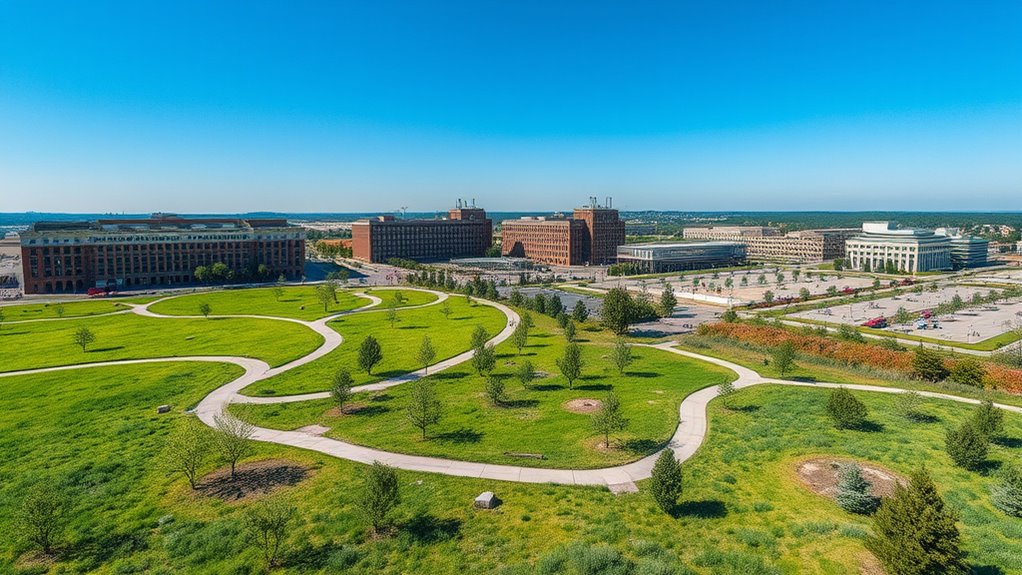
Transforming brownfields into parks offers a practical solution to urban blight and environmental degradation. When you convert these vacant, often contaminated sites into green spaces, you not only improve the aesthetic appeal of your city but also promote urban greening, which has far-reaching benefits. Urban greening involves planting trees, creating gardens, and establishing parks that help absorb pollutants, reduce heat islands, and enhance air quality. These initiatives breathe new life into neglected areas, making them accessible and inviting for residents. As you see these spaces transformed, you witness a significant boost in community revitalization, fostering a sense of pride and ownership among local residents.
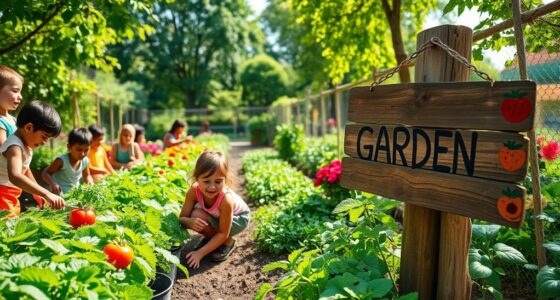
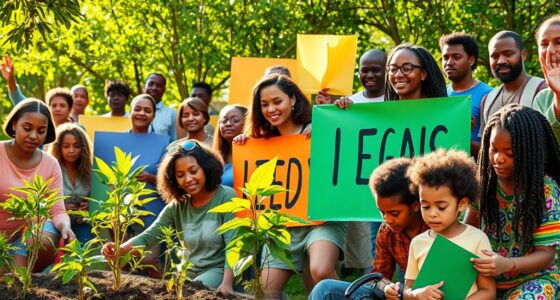
By turning brownfields into parks, you create more than just green spaces—you foster opportunities for community engagement and social interaction. Parks serve as communal hubs where people of all ages can gather, play, and connect. This, in turn, cultivates stronger neighborhood bonds and encourages active lifestyles. When residents take part in the planning or maintenance of these parks, they develop a sense of ownership that sustains the project long-term. Additionally, these green spaces can host community events, markets, and educational programs, further strengthening social ties and promoting a collective effort toward neighborhood upliftment.
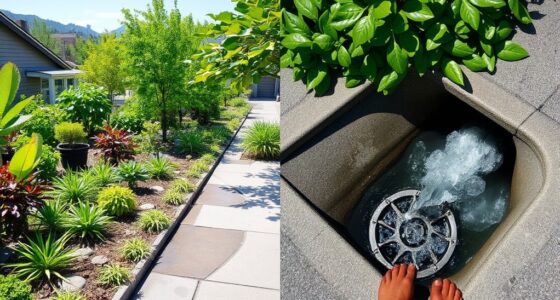
You also play a crucial role in environmental restoration when you advocate for or help implement brownfield redevelopment projects. These sites often harbor pollutants, but with proper remediation, they can become safe and vibrant parks. The transformation process typically involves soil testing, contamination removal, and sometimes innovative techniques like phytoremediation. Once cleaned, planting native vegetation and trees not only enhances the beauty of the space but also supports local ecosystems. You’re actively contributing to urban greening efforts that combat the heat island effect, improve stormwater management, and boost biodiversity. For example, incorporating native plantings can significantly improve habitat quality and resilience.
Restoring brownfields through remediation supports ecosystems and promotes urban green spaces.
Furthermore, converting brownfields into parks can stimulate local economies. New green spaces attract visitors, increase nearby property values, and encourage small business growth. As you witness these positive changes, it’s clear how such projects serve as catalysts for neighborhood revitalization. They turn previously blighted areas into desirable destinations, making your city more attractive to residents, investors, and visitors alike. In essence, by focusing on these redevelopment pathways, you’re helping to create healthier, more vibrant communities where nature and urban life coexist harmoniously, ensuring a sustainable future for everyone involved.
Frequently Asked Questions
How Is Community Input Integrated Into Park Redevelopment Plans?
You are actively involved in the park redevelopment process through community engagement and public consultation. Your feedback is gathered via surveys, public meetings, and workshops, ensuring your voice shapes the project. Local residents, organizations, and stakeholders collaborate with planners to identify needs, preferences, and concerns. This inclusive approach helps create parks that truly serve the community’s interests, fostering a sense of ownership and ensuring long-term success of the redevelopment.
What Funding Sources Are Available for Brownfield-To-Park Projects?
You can access funding for brownfield-to-park projects through a mix of sources. Look into grant opportunities from federal, state, and local agencies, which often support environmental cleanup and park development. Public-private partnerships also play a key role, allowing you to leverage private investments alongside public funds. Combining these options can help you secure the necessary resources to transform contaminated sites into vibrant community parks.
How Long Does the Redevelopment Process Typically Take?
The redevelopment process usually takes between 1 to 3 years, depending on project planning and stakeholder engagement. You’ll start with detailed planning, securing permits, and coordinating with community members, which can extend timelines. Active stakeholder engagement helps identify potential issues early, streamlining approvals. Keep in mind, unforeseen challenges might arise, but staying organized and collaborative throughout will help you complete the project efficiently.
What Environmental Risks Remain After Remediation?
After remediation, you might still face environmental risks like soil contamination and residual toxins, which can linger in the ground even after cleanup efforts. These substances could pose health hazards for visitors and wildlife or affect plant growth. It’s essential to conduct thorough testing and monitoring to guarantee all toxins are safely removed or contained, reducing the risk of exposure and making the area safe for park use.
How Do Parks Impact Local Property Values and Economic Growth?
Imagine a park as a shining beacon in your neighborhood, symbolizing hope and renewal. When you visit, you see property appreciation blossom around it, making homes more desirable. Parks also boost economic benefits by attracting visitors and new businesses, fueling community growth. Your local economy thrives as property values rise, creating a cycle of prosperity that benefits everyone. Parks truly transform spaces into thriving hubs of opportunity.
Conclusion
Transforming brownfields into parks not only revitalizes communities but also boosts local economies. Did you know that converting just one acre of brownfield into green space can increase nearby property values by up to 10%? By embracing these redevelopment pathways, you help create vibrant, healthier neighborhoods. So, consider supporting initiatives that turn neglected land into beautiful parks—your efforts can make a real difference in turning blight into bright, thriving places for everyone.