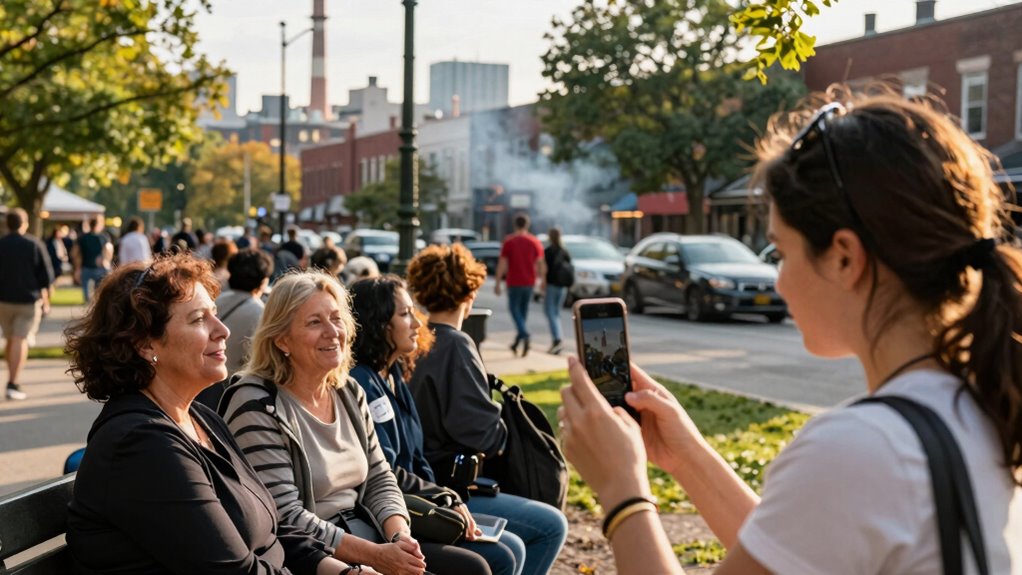

Talking about air quality in your neighborhood is essential because it directly impacts your health and well-being. You and your neighbors share indoor and outdoor spaces, which can contain pollutants from cleaning products, mold, traffic, and more. By discussing these issues, you can identify sources and work together to reduce risks through better ventilation, cleaner transportation, and advocacy. If you keep listening, you’ll discover how collective actions can create healthier, cleaner environments for everyone.

Get garden gear delivered free — and shop member deals
- Fast, free delivery on millions of items
- Access to Prime Big Deal Days deals on October 6–7
- Prime Video, Amazon Music and more included
Key Takeaways
- Air quality impacts everyone’s health, making community awareness and action essential for collective well-being.
- Neighborhood discussions help identify pollution sources and develop targeted strategies for improvement.
- Collaborative efforts can promote stricter emission controls and cleaner transportation options locally.
- Sharing knowledge encourages residents to reduce indoor pollutants and advocate for healthier environments.
- Addressing air quality as a community fosters stronger bonds and creates sustainable, healthier neighborhoods.

Have you ever wondered how the air in your neighborhood affects your health and daily life? It’s easy to overlook the air we breathe every day, but understanding what influences it can make a big difference. One major factor is indoor pollution, which often gets less attention than outdoor air quality. Indoor pollution comes from sources like cleaning products, mold, smoke, and even certain building materials. When these pollutants linger inside, they can cause respiratory issues, allergies, and other health problems. Since many people spend a significant portion of their time indoors, especially at home or work, you’re likely affected by indoor air quality more than you realize.
But outdoor air, especially in urban areas, plays a vital role too. Traffic emissions are a leading source of outdoor pollution, especially in neighborhoods close to busy roads or highways. Vehicles release pollutants like nitrogen oxides and particulate matter into the air, which can easily infiltrate homes and buildings. These emissions don’t just stay outside; they become part of your indoor environment, making it harder to breathe and increasing health risks over time. When you combine indoor pollution and traffic emissions, the air you breathe becomes a complex mix of contaminants that can impact your well-being daily.
Understanding this connection makes it clear why air quality should be a neighborhood conversation. If residents don’t talk about pollution sources, it’s harder to find solutions. For example, advocating for better traffic management or stricter emission controls can help reduce outdoor pollution. On the indoor side, improving ventilation, using air purifiers, and choosing less toxic products can make indoor spaces healthier. When neighbors come together to address these issues, they can influence local policies, promote awareness, and share practical tips for cleaner air. This collective effort not only improves health but also fosters a sense of community and shared responsibility.
You also have a role in this conversation. Be mindful of your own environment—limit indoor pollutants by ventilating properly and minimizing chemical use. Talk to your neighbors about traffic patterns and air quality concerns. Support local initiatives aimed at reducing pollution and advocating for cleaner transportation options. The more you engage in these discussions, the more likely it is that your neighborhood will prioritize air quality improvements. Additionally, understanding how indoor pollution interacts with outdoor emissions can help you make more informed choices for your health. Recognizing how air pollution sources combine and affect each other emphasizes the importance of community efforts in creating healthier environments. Being aware of the complex mix of contaminants in the air can motivate collective action toward cleaner air standards. Moreover, understanding the health impacts of pollution can inspire more proactive community involvement. After all, healthy air benefits everyone, and addressing it as a community ensures it becomes a priority. When you recognize how indoor pollution and traffic emissions interact, you can take meaningful steps to breathe easier and live healthier, right in your own neighborhood.
air purifiers for indoor air quality
As an affiliate, we earn on qualifying purchases.
As an affiliate, we earn on qualifying purchases.
Frequently Asked Questions
How Does Air Quality Affect Children’s Health in Neighborhoods?
You should know that poor air quality considerably impacts children’s health in neighborhoods. Indoor allergens and traffic emissions can cause asthma, allergies, and respiratory issues in kids. When you’re exposed to high levels of these pollutants, your child’s developing lungs suffer, increasing their risk of long-term health problems. Addressing these concerns locally helps reduce exposure, ensuring children breathe cleaner air and grow healthier in your community.
What Are Common Sources of Air Pollution in Residential Areas?
Did you know that residential areas often see elevated pollution levels due to industrial emissions and household pollutants? Common sources include vehicle exhaust from local traffic, emissions from nearby factories, and indoor pollutants like tobacco smoke, cooking fumes, and cleaning chemicals. These sources contribute profoundly to poor air quality, impacting your health and that of your neighbors. Addressing these issues together can make your neighborhood safer and healthier for everyone.
How Can Residents Monitor Local Air Quality Effectively?
You can monitor your local air quality effectively by using air quality sensors, which provide real-time data on indoor pollutants and outdoor pollution levels. Place sensors in key areas of your home and neighborhood to track changes and identify pollution sources. Regularly review the data to stay informed about air quality conditions, and share findings with neighbors to promote collective awareness and action toward improving your community’s air safety.
What Policies Can Communities Implement to Improve Air Quality?
You can improve air quality by advocating for stronger policies through policy advocacy efforts, like supporting clean air regulations and emissions reductions. Engaging your community is essential; organize awareness campaigns, foster local partnerships, and encourage residents to participate in decision-making. When you combine policy advocacy with active community engagement, you create a powerful force that pushes for healthier air standards and sustainable practices, ultimately leading to cleaner, safer neighborhoods for everyone.
How Does Air Quality Vary Between Different Neighborhoods?
You’ll notice air quality varies between neighborhoods mainly due to factors like industrial emissions and traffic congestion. Areas near factories or busy roads often have higher pollution levels, affecting your health and environment. Neighborhoods with fewer industrial sources and less traffic tend to have cleaner air. By understanding these differences, you can advocate for local policies to reduce emissions and improve air quality where you live, making your community healthier for everyone.
Conclusion
Just like a neighborhood garden flourishes when everyone tends to its needs, your community’s air quality thrives when we all pay attention. Imagine a neighbor who notices a sick tree and shares the concern—suddenly, everyone’s efforts improve the whole block. In fact, studies show that areas with engaged residents see 20% cleaner air. When you speak up about air quality, you’re planting seeds for healthier, happier streets—because clean air isn’t just a goal, it’s a shared responsibility.
Fall Picks
fall essentials
As an affiliate, we earn on qualifying purchases.