TL;DR
Open a free Amazon Business account
Business pricing, bulk buying and tax-exempt orders.
Create a free accountAs an affiliate, we earn on qualifying purchases.
Garden media coverage of planting cheerful, long-flowering plants to lift winter moods is trending upward. Winter pansies, violas, hellebores and winter aconite are long-established cold-season bloomers. The specific trigger for the current surge in interest is unconfirmed.
A garden feature recommending that readers plant cheerful, long-flowering plants now to carry color through the winter months is attracting outsized attention, according to trending-topic data — the latest sign that cold-season planting is moving up the gardening agenda as daylight hours shorten. The piece, which frames winter blooms as a buffer against the seasonal dip in mood many gardeners experience, joins a broader wave of coverage urging people to get plants in the ground before hard frosts arrive.
The available source material is limited: a single gardening article, categorized under garden content and distributed via RSS, whose headline promotes planting now for “months of blooms” to ward off the “winter blues.” No author, publication date, or specific plant recommendation is verifiable from the metadata alone, and the identity of the flower the article promotes cannot be confirmed from the source provided.
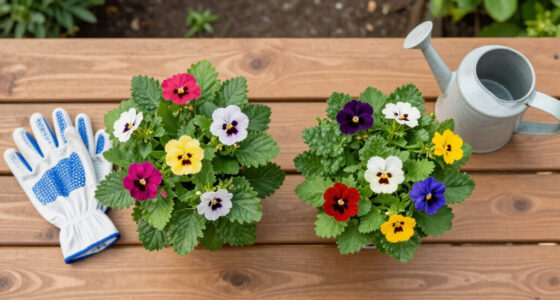
What is long-established fact, independent of the article, is that several plant families are proven winter and early-spring performers in temperate climates. Winter pansies and violas are among the most widely planted cool-season annuals, capable of flowering from autumn through spring in mild regions and pausing rather than dying during moderate frost. Hellebores, commonly called Christmas or Lenten roses, are herbaceous perennials that bloom from midwinter into early spring. Winter aconite (Eranthis hyemalis) and snowdrops are early bulbs that flower from late winter, often pushing through frozen ground.
The timing of the interest spike aligns with the standard autumn planting window in the Northern Hemisphere, when garden centers stock pansies, violas and spring bulbs and when gardening media traditionally publish cold-season planting guides. Whether the current surge reflects ordinary seasonal patterns, unusual weather, or promotion by a specific retailer or publisher is not established.
Why Winter Planting Interest Surges Now
The trend matters because it reflects two converging behaviors: a sustained rise in gardening participation since the pandemic era, and growing public attention to seasonal mood and well-being during darker months. Gardening media have increasingly framed winter planting not just as horticulture but as a low-cost mental-health practice, and headlines that pair blooms with “winter blues” are a direct appeal to that framing.
For readers, the practical stakes are real: autumn is genuinely the planting deadline for many winter performers. Spring-flowering bulbs such as tulips, daffodils and crocuses need to be in the ground before the soil freezes, and pansies and violas establish best while soil is still warm. Missing the window delays results by months, which gives seasonal coverage its urgency — and its clickability for publishers.
There is also a commercial dimension. Garden retailers and seed companies lean heavily on autumn campaigns, and trending articles like this one often correlate with promotional calendars. The article’s phrasing — personal, first-person, urgency-driven — matches a common content-marketing format, though no sponsor or commercial backer is identifiable from the source.
As an affiliate, we earn on qualifying purchases.
Cold-Season Blooms: An Established Tradition
Winter-flowering plants are not a new phenomenon. Victorians popularized winter pansies, and hellebores have been cultivated in European gardens for centuries. The idea of the winter garden as a designed space — built around structure, evergreens and early bloomers rather than summer color — was formalized in the early twentieth century and remains a staple of garden design literature.
The “winter blues” framing also has precedent. Seasonal patterns of low mood in winter are long recognized in medical literature, and horticultural-therapy research has repeatedly linked gardening activity and access to green space with improved psychological well-being. Gardening publishers have drawn on this connection for years, typically without making clinical claims — recommending winter blooms as a mood-supporting habit rather than a treatment.
Recent gardening seasons have seen publishers push cold-season content earlier and harder, a pattern industry observers attribute to longer growing interest and to readers seeking year-round value from gardens after investing in them during the pandemic gardening boom.
“The Cheery Flower I’m Planting Now for Months of Blooms to Ward Off Winter Blues”
— The trending article’s headline (author unverified)
What the Trending Piece Doesn’t Confirm
Several things remain unclear. The specific flower the article recommends cannot be confirmed from the available metadata, so readers should not assume any particular plant is the subject. The author, publication and original publication date are unverified.
The trigger for the spike in interest is also unconfirmed. Plausible drivers include the normal seasonal planting calendar, publisher promotion, retail campaigns, or regional weather encouraging late planting — but no source establishes which. The claim of “months of blooms” reflects the article’s own framing; actual bloom duration for any winter flower varies by species, climate zone, and weather, and horticultural authorities generally describe pansies and violas as long-blooming only under favorable cool conditions.
Finally, no health claim is validated here. The idea that flowers improve winter mood is plausible and consistent with prior research on gardening and well-being, but the article itself is gardening content, not a clinical source.
The Planting Clock and Coming Coverage
The immediate practical window matters most: in most temperate Northern Hemisphere regions, spring bulbs must be planted before ground frost, typically from September to early December depending on zone, while pansies and violas planted in autumn can flower intermittently through mild winters and peak in early spring. Readers inspired by the trending coverage can act now, but should check local frost dates.
In coverage terms, expect the seasonal wave to continue: gardening media will shift from autumn planting guides to winter-garden maintenance and indoor growing content as temperatures drop. If the current trend reflects a specific publisher campaign or retail partnership, that may become visible through follow-up coverage in the coming weeks. No further development is confirmed at this time.
Gardeners wanting the specific plant referenced should track the original article directly, since the trending metadata alone does not name it.
Key Questions
Which flower is the trending article about?
That cannot be confirmed from the available information. The article’s headline refers to a “cheery flower” for months of winter blooms but the source metadata does not name the plant. Candidates commonly featured in such articles include winter pansies, violas, hellebores and winter aconite, but any specific attribution would be speculation.
Is it really the right time to plant for winter color?
In most temperate Northern Hemisphere regions, yes — autumn through early winter is the standard window for planting spring bulbs and establishing cool-season flowers like pansies and violas. Exact timing depends on local frost dates, which readers should check for their area.
Which winter flowers bloom the longest?
According to long-standing horticultural guidance, pansies and violas are among the longest-flowering cool-season plants, blooming from autumn into late spring in mild climates. Hellebores flower from midwinter to early spring. Actual duration varies by climate and weather conditions.
Can flowers genuinely help with winter blues?
Gardening and access to greenery have been linked in prior research to improved mood and well-being, but no clinical claim is made or validated here. The trending article’s framing is motivational gardening content, not medical advice, and anyone experiencing persistent seasonal low mood should consult a healthcare professional.
Why is this topic trending now?
The interest spike coincides with the autumn planting season, when gardening media routinely publish winter-bloom content. Whether the current surge is purely seasonal or driven by a specific publisher, retailer, or weather event is unconfirmed.
Source: rss
Evergreen bestsellers Picks
bestsellers
As an affiliate, we earn on qualifying purchases.