
TL;DR

Get garden gear delivered free with Prime
- Fast, free delivery on millions of items
- Prime Video, Amazon Music and more included
- Member-only deals all year
Search interest in hydrangea blooming issues is rising, driven by gardeners noticing poor flowering. Experts recommend six straightforward September fixes to encourage lush blooms next year. The effectiveness of these tips is supported by gardening trends, but specific results may vary.
Gardeners noticing their hydrangeas producing fewer or no blooms are turning to simple care adjustments in September, aiming to revive their plants for a more vibrant display next year. Experts confirm that timely fall interventions can significantly improve flowering, making this a key period for care improvements.
Recent gardening trend signals show a spike in searches related to hydrangea bloom problems, especially during late summer and early fall. This increase in interest is linked to gardeners observing underwhelming flowering after a season of growth. According to horticultural experts, six straightforward fixes—such as pruning, fertilizing, and adjusting watering—can help stimulate better blooms in the following year.
These recommended practices are rooted in well-established horticultural principles. For example, pruning hydrangeas at the right time prevents removing buds that would produce flowers, and applying the correct fertilizer can enhance nutrient uptake needed for flowering. While these tips are widely endorsed, individual results may vary depending on plant variety and local climate conditions.
Gardeners are advised to act now, in September, to give their hydrangeas the best chance for a full bloom next season. The advice is especially relevant for those noticing sparse or no flowers, which can be caused by factors like improper pruning, soil issues, or insufficient nutrients.
Why September Care Matters for Hydrangea Blooms
Implementing these six fixes in September can be the difference between a lackluster flowering season and a stunning display next year. For gardeners, this means better value from their plants, increased enjoyment, and a more vibrant garden aesthetic. Additionally, understanding and applying proper hydrangea care can extend the plant’s lifespan and health, making this advice valuable for both novice and experienced gardeners.
As an affiliate, we earn on qualifying purchases.
Hydrangea Blooming Challenges and Seasonal Care
Hydrangeas are popular flowering shrubs, but many gardeners face issues with poor blooming, often due to improper pruning or environmental stress. Historically, the best time to prune hydrangeas depends on the variety, with some flowering on old wood and others on new growth. Recent gardening trends indicate that many gardeners are seeking solutions as they observe fewer blooms despite proper care in previous seasons.
September is recognized as a critical period for adjusting care routines before the dormant season, with experts emphasizing that fall interventions can set the stage for better flowering the following year. However, specific causes of bloom failure vary, and not all fixes work equally for every plant.
Effectiveness of September Fixes Varies by Plant and Climate
While these six fixes are widely recommended, their success can depend on factors such as hydrangea variety, local climate, and soil conditions. There is limited scientific data quantifying how much these interventions improve bloom quality across different settings. Therefore, results may not be uniform, and some gardeners might see minimal change despite following the advice.
Monitoring and Adjusting Care for Better Blooms Next Year
Gardeners should implement these fixes now and monitor their hydrangeas’ response over the coming months. Observing changes in growth and flowering can help determine which practices are most effective for individual plants. Experts suggest that if blooms remain sparse, additional measures like soil testing or consulting local horticulturists might be necessary.
Next spring, gardeners can evaluate the success of their fall interventions and plan further adjustments to optimize flowering. Continued education and tailored care routines will be key to achieving consistently lush hydrangea displays.
Key Questions
What are the six fixes recommended for hydrangeas in September?
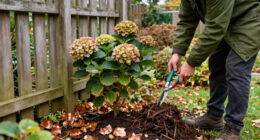
The six fixes include proper pruning timing, fertilizing with the right nutrients, adjusting watering habits, removing dead stems, mulching for moisture retention, and checking soil pH levels.
Can I still improve my hydrangea’s blooms if I miss September?
While September is ideal, some improvements can still be made later in the season, but the best results are typically achieved by acting in early fall before dormancy begins.
Are these fixes suitable for all hydrangea varieties?
Most fixes are broadly applicable, but specific pruning and care practices depend on the hydrangea type. Consulting local gardening resources can help tailor the approach.
Will these fixes guarantee a full bloom next year?
While they significantly improve chances, no method guarantees perfect flowering, as results depend on various factors including plant health and environment.
How do I know if my hydrangea is on old wood or new growth?
Old wood blooms on stems from the previous season, while new growth blooms on current season’s stems. Identifying the type helps determine pruning timing and technique.
Source: rss
Halloween Picks
halloween
As an affiliate, we earn on qualifying purchases.