
TL;DR

Get garden gear delivered free with Prime
- Fast, free delivery on millions of items
- Prime Video, Amazon Music and more included
- Member-only deals all year
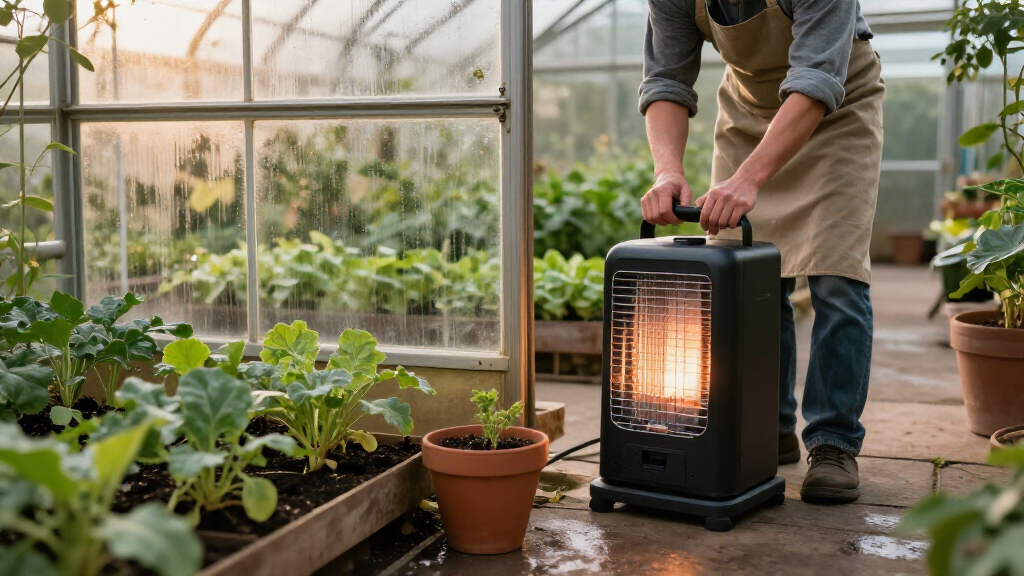
Greenhouse space heaters replace heat escaping through the covering, drafts, and ground, so the right size depends on greenhouse construction, local winter lows, and the temperature your plants need. Compare heater types by installed and running costs, then reduce heat loss, place the thermostat near plant height, and follow the heater maker’s safety instructions.
Choosing greenhouse space heaters means matching heat output to the building, the local cold, and the crops inside. You’ll learn how to estimate your needs, compare common heater types, reduce heat loss, and place controls so they respond to conditions around your plants. A small greenhouse of seedlings and a large, drafty structure full of citrus trees need very different plans.
Start with one distinction: keeping plants above freezing is not the same as keeping them warm enough for active growth. Once you know your overnight target, you can make better decisions about equipment, insulation, and backup monitoring.
Size the heater using heat loss, local winter lows, and your target temperature; greenhouse floor area alone is not enough.
Separate the temperature needed to prevent frost from the warmer target for active growth.
Compare installed and running costs across electric, fuel-burning, heat-pump, and solar-assisted options.
Place the thermostat near plants and use a separate monitor to find cold pockets or detect failure.
Reduce drafts and heat loss, and follow manufacturer instructions, local codes, and carbon-monoxide precautions.
Size your heater around the coldest night, not the greenhouse label
Greenhouse space heaters need enough output to replace heat lost through the covering, gaps, ventilation, and ground on the coldest nights you plan to manage. Their required size depends on greenhouse surface area, covering heat loss, and the temperature difference between indoors and outdoors. A square-foot rule can give you a starting estimate, but it cannot account for every leaky seam or local winter low.For example, imagine a backyard greenhouse that measures 8 by 10 feet. If the owner only asks, “What size heater suits an 80-square-foot greenhouse?” they miss a key detail: a thin single-layer covering loses heat differently from an insulated double layer. A windy site with a loose door also needs more heat than a sheltered, tightly sealed structure of the same size.
Set two numbers before you shop: your **minimum safe temperature** and your **active-growth target**. A frost-sensitive plant may need protection from freezing even when it won’t grow much overnight. Measure temperature at plant height, where cold air can collect, rather than relying on a reading beside a heater or high under the roof.
As a practical first step, look up the local winter design temperature, measure the greenhouse, note the covering and obvious drafts, then use a reputable heat-loss calculator or local extension guidance. A heater that barely meets average conditions may struggle on a wind-whipped night. Leave room in your plan for the actual construction and cold spells.
Popular right now

Apple AirPods Max 2 Wireless Over-Ear Headphones – Midnight

Vitamix Propel Series 510 Professional-Grade Blender, 3 Programs, Black

KitchenAid 5.5-Qt Bowl-Lift Stand Mixer, Porcelain White (KSM55SXXX)
As an affiliate, we earn on qualifying purchases.
Compare heater types by running cost, control, and setup
Electric resistance heaters offer straightforward control, while gas, propane, and kerosene units can deliver substantial heat; heat pumps can provide more heat per unit of electricity in suitable conditions. Solar thermal can contribute warmth, but winter sunlight varies. Your best fit depends on heat demand, fuel access, climate, equipment specifications, and total cost over time.A small hobby greenhouse near a home may suit an electric unit because it’s simple to control and easy to monitor. A larger structure far from an electrical supply may call for a fuel-burning system, with careful installation and ventilation. A heat pump may cut electricity use in a suitable climate, but its purchase cost and performance at low temperatures matter.
| Heater type | What it offers | What to check |
|---|---|---|
| Electric resistance | Simple operation and thermostat control | Electricity price, circuit capacity, damp-location rating |
| Gas, propane, or kerosene | Substantial heat and fuel flexibility | Combustion gases, ventilation, maintenance, fuel storage |
| Heat pump | More heat per unit of electricity in suitable conditions | Cold-weather rating, upfront cost, climate fit |
| Solar thermal | Can add renewable heat | Sunlight variation, storage, backup heat |
Compare **installed cost and running cost together**. A low purchase price can hide high fuel use across long winter nights. Emissions also depend on the fuel or, for electric equipment, the local electricity mix. If you use a fuel-burning heater, follow its instructions and local rules for installation, ventilation, and maintenance.
Place the heater and thermostat where plants feel the difference
Greenhouse heaters help maintain temperatures that protect plants only when warmth reaches the crop evenly. A hot patch beside the heater does not mean the whole greenhouse is safe; cold corners, gaps near doors, and low spots can still chill plants. Fans and careful placement help spread warm air and reduce sharp temperature swings.Put the thermostat near the plants, away from direct heater airflow, so it measures the temperature you want to control. Hang a separate minimum–maximum thermometer in another area, or use remote sensors to check cold pockets. For instance, if a sensor by the door reads several degrees colder than one beside a tomato bench, you have a distribution problem to solve before simply raising the set point.
Try this setup process:
- Place the heater where its airflow can move into the open greenhouse without blowing directly on leaves or seedlings.
- Keep it clear of plastic, plants, water, and other combustible materials, following the manufacturer’s required clearances.
- Set a circulating fan to move air gently across the growing area, not to blast one bed.
- Put the thermostat at plant height and check it against an independent thermometer overnight.
- Use an alarm or remote monitor if a heater failure could damage valuable plants, and consider backup power where practical.
Root-zone heating offers another option for some setups. Warming beds or containers directly can suit propagation benches, where seedlings need warm growing media but the whole greenhouse does not need a high air temperature. It won’t protect leaves from freezing air on its own, so match the method to the risk.
Cut heat loss before you pay to make more heat
The cheapest heat to replace is often the heat you keep inside. Sealing drafts, insulating the foundation, using thermal screens, or adding a second covering layer can reduce heat loss and lower energy use. Each change has a tradeoff: extra layers may reduce light, and tighter spaces may need more attention to humidity and ventilation.Think of a greenhouse as a warm mug with a loose lid. A bigger heater pours in more heat, but a drafty door lets it escape just as quickly. If you can feel cold air moving around the door frame, a weatherstrip repair may help more than buying a larger heater. Check seams and the base of the structure on a breezy evening.
Thermal screens can slow heat loss overnight, then retract when daylight returns. A second layer of covering can create an insulating air gap, though growers should check how the material affects light reaching their crops. An insulated foundation can also reduce heat loss where the walls meet cold ground. Make changes with the crop’s light and airflow needs in mind.
For example, a grower raising leafy greens may accept a slightly lower night temperature and use a screen after sunset. Someone overwintering a tropical collection may need a warmer target and more reliable backup. The right strategy depends on greenhouse size, construction, local winter conditions, and plant needs. Better heat retention can reduce heater run time, but it does not replace adequate ventilation or safe equipment operation.
Use fuel-burning heaters with clear safety routines
Fuel-burning greenhouse space heaters need careful installation, maintenance, and ventilation because combustion can produce carbon monoxide, a serious hazard. Follow the heater manufacturer’s instructions and local codes, and use a suitable carbon-monoxide alarm. Keep heaters clear of plants, plastic, standing water, and combustible materials; use electrical equipment suited to damp conditions and protected as required by code.Picture a propane heater running overnight in a closed greenhouse. The plants may feel warm, but poor ventilation can create a dangerous environment for people who enter later. Carbon monoxide has no dependable smell or color cue, so you cannot judge safety by the air’s appearance. Use the alarm and the heater’s required ventilation plan rather than guessing.
Before each cold season, inspect the unit, connections, vents, and nearby materials according to the maker’s maintenance schedule. Store fuel as directed and away from heat sources. If you notice a damaged line, unusual operation, or an alarm, stop using the equipment and follow the manufacturer’s safety guidance; have repairs handled by a qualified professional where required.
Safety rule: Never block required ventilation or place a heater where water, leaves, plastic film, or stored fuel can contact hot surfaces. Keep children and pets away from hot equipment and fuel storage.
Electric heaters avoid combustion gases at the point of use, but damp greenhouse conditions still demand proper equipment and electrical protection. A unit designed for a dry indoor room may not be suitable near watering lines or condensation. Check its rating and local electrical requirements before installation.
Choose a winter routine that protects plants without wasting energy
A reliable winter heating routine starts with the plants, then checks the greenhouse, controls, and backup plan. It helps you maintain temperatures that suit your crops without treating the warmest possible setting as the goal. What you need depends on greenhouse size, insulation, outdoor lows, and how much cold your plants can tolerate.Consider a grower with trays of young seedlings and a few hardy greens. The seedlings may need warmer growing media, while the greens can tolerate cooler air. Heating one propagation bench and monitoring the rest of the greenhouse may use less energy than setting the whole structure to the seedlings’ preferred temperature.
- Write down crop targets. Separate frost protection from the temperature needed for active growth.
- Check the cold spots. Compare readings near doors, beds, benches, and the thermostat on a cold night.
- Reduce leaks. Seal drafts and close thermal screens when appropriate, while preserving needed ventilation and daylight.
- Track run time. If the heater runs almost constantly, review heat loss, heater output, and thermostat placement.
- Plan for failure. Use a remote alert or minimum–maximum thermometer, and add backup heat or power if the crop value warrants it.
Watch plant response as well as the display. Cold damage, stalled growth, or unusually dry air can signal that your settings or heat distribution need adjustment. A quick evening check during a cold snap can catch a failed heater before dawn turns tender leaves limp and dark.
Estimate heating cost from the hours the heater actually runs
Greenhouse heating cost depends on heat demand, equipment efficiency, local energy prices, and the number of hours the heater runs. A heater’s wattage or fuel rating alone cannot tell you the monthly bill. Your run time changes with outdoor weather, insulation, air leaks, thermostat settings, and how much of the greenhouse you heat.For a simple electric example, a 1,500-watt resistance heater uses 1.5 kilowatt-hours for each hour it runs at full power. If it runs for four hours, that is 6 kilowatt-hours; multiply by your electricity rate to estimate that stretch of operation. The real monthly total depends on daily run time and cycling, so a plug-in energy meter rated for the equipment or your utility data can help you refine the estimate.
Fuel-burning systems need a comparable calculation using fuel consumption and local fuel price. Compare both estimates with the cost of insulation or targeted root-zone heating. A small reduction in heat loss can matter over many cold nights, while a cheap heater that runs constantly may cost more to operate than a more efficient system.
For example, if your heater runs far longer after a windy night than after a calm one, that points to drafts or covering losses. If it runs constantly even in still weather, check whether the unit can meet the design conditions and whether the target temperature is higher than your plants require. Track a few cold nights before making a major purchase.
Frequently Asked Questions
What size greenhouse heater do I need?
Estimate heat loss from the greenhouse’s surface area, covering, drafts, and the difference between your target temperature and the local winter design temperature. A square-foot rule is only a starting point; construction and cold-weather conditions change the result. Measure at plant height and use local extension guidance or a reputable heat-loss calculator.How many watts or BTUs do I need to keep a greenhouse above freezing?
There is no single reliable wattage or BTU figure for every greenhouse. A small, insulated structure in a mild climate can need much less heat than a larger, drafty greenhouse facing severe cold. Base your estimate on heat loss and local design temperatures, then check the heater’s rated output against that estimate.What temperature should I maintain overnight?
Set the overnight minimum according to the plants you grow and whether you only need frost protection or want active growth. Those are different goals. Check temperatures near the leaves and growing media, since a reading high near the roof may not reflect conditions at plant level.Can I safely use a propane or kerosene heater in a greenhouse?
Fuel-burning heaters require correct installation, maintenance, and ventilation because combustion can produce carbon monoxide. Follow the maker’s directions and local codes, and use a suitable carbon-monoxide alarm. Keep the unit clear of plastic, water, plants, and combustible materials.Where should I put the heater thermostat?
Place the thermostat near the plants, away from the heater’s direct airflow and direct contact with cold walls or drafts. A separate minimum–maximum thermometer or remote sensor in another area can reveal cold pockets. If readings differ, improve circulation or placement before raising the entire greenhouse temperature.Will a greenhouse heater protect plants during a power outage?
An electric heater will stop producing heat when its power fails, and fans or controls may stop too. Remote alerts, backup power, or a suitable backup heater can reduce risk, especially when valuable or frost-sensitive plants are inside. Check what your equipment supports and follow its safety instructions.Can I heat only the soil or roots?
Yes, root-zone heating can warm beds, containers, or propagation trays directly and may suit some growing setups. It can reduce the need to heat all the air to a high temperature. It does not protect leaves from freezing air by itself, so use it alongside an air-temperature plan when frost threatens.Conclusion
Choose a greenhouse heater only after you know the coldest conditions you need to handle and the temperatures your plants actually need. Pair it with good heat retention, gentle air movement, a well-placed thermostat, and monitoring that can alert you to trouble.On the next clear, cold evening, check the thermometer beside your plants. That small reading can tell you more than the heater’s biggest number ever will.