
TL;DR

Get garden gear delivered free with Prime
- Fast, free delivery on millions of items
- Prime Video, Amazon Music and more included
- Member-only deals all year
Gardening experts recommend four reliable methods to prevent animals from damaging berry crops. These techniques are based on established practices, helping gardeners secure their harvest. The interest in protecting berries from animals is rising, driven by increased home gardening.
Home gardeners are increasingly seeking reliable methods to protect their berry crops from animals, as recent search trends show a spike in interest. Experts confirm that four techniques—physical barriers, repellents, deterrent devices, and strategic planting—are effective in preventing animals from damaging berries, allowing gardeners to enjoy their harvest.
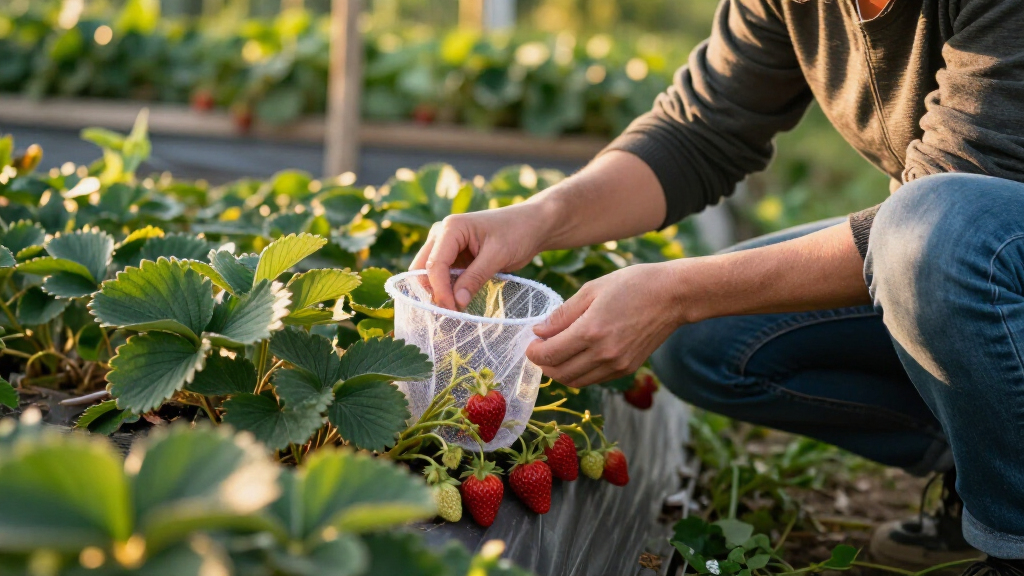
According to horticulture specialists, the four proven methods include installing physical barriers such as netting or fencing around berry patches, applying natural or commercial repellents, using motion-activated deterrent devices, and planting berries in less accessible locations or with companion plants that repel pests. These techniques are supported by long-standing gardening practices and are recommended by experienced growers to reduce animal intrusion.
While these methods are widely recognized as effective, gardeners are advised to combine multiple strategies for best results. For example, using netting along with repellents can provide a layered defense, minimizing the likelihood of animals bypassing one method. The choice of specific repellents or deterrents depends on local wildlife and personal preferences, but most experts agree that persistence and proper installation are key.
Why Protecting Berries Matters for Gardeners
Protecting berry crops from animals is crucial for home gardeners who want to maximize their harvest and avoid losing valuable produce. Damage caused by animals such as birds, raccoons, squirrels, and deer can significantly reduce yields, leading to frustration and financial loss. Implementing proven protection methods ensures gardeners can enjoy fresh, homegrown berries and encourages sustainable gardening practices.
Furthermore, effective protection methods can reduce the need for chemical deterrents, supporting eco-friendly gardening and wildlife coexistence. As interest in home gardening continues to grow, sharing reliable strategies becomes increasingly important for community resilience and food security.
As an affiliate, we earn on qualifying purchases.
Growing Interest in Berry Protection Techniques
Recent online search data indicates a surge in interest around methods to protect berries from animals, reflecting a broader trend of increased home gardening. This interest has been fueled by more people planting berries at home due to food security concerns and the convenience of homegrown produce. Historically, gardeners have faced challenges with wildlife damage, but the current spike suggests a desire for more effective, long-term solutions.
While traditional methods such as fencing and repellents have been used for decades, new deterrent devices and organic repellents are gaining popularity. This trend is also driven by social media and gardening communities sharing successful techniques, although official guidance on the most effective methods continues to evolve.
It is important to note that the current spike in coverage and search interest is based on trend signals, and specific product or method effectiveness can vary based on local conditions and wildlife species.
Unconfirmed Effectiveness of New Deterrent Technologies
While traditional methods like fencing and repellents are well-established, the effectiveness of newer deterrent devices, such as ultrasonic or motion-activated systems, remains under review. There is limited scientific data confirming their long-term reliability across different environments, and anecdotal reports vary.
Further research and field testing are needed to determine whether these newer technologies can consistently protect berries without unintended effects on wildlife or garden ecosystems.
Next Steps for Gardeners Seeking Reliable Protection
Gardeners should consider combining proven methods such as physical barriers and repellents, and monitor their effectiveness. Local gardening groups and extension services can provide updated advice based on regional wildlife activity and new product developments.
Staying informed about regional wildlife behaviors and emerging technologies can help gardeners adapt their strategies for better protection in future seasons.
Key Questions
What is the most effective way to keep birds away from berries?
The most effective approach is to use a combination of netting to physically block birds and applying visual or auditory repellents to scare them away.
Are natural repellents safe for pets and children?
Most natural repellents are safe when used as directed, but gardeners should always check product labels and avoid applying near edible parts of plants if toxicity is a concern.
Can I use motion-activated devices for all types of wildlife?
Motion-activated deterrents can be effective against many animals, but their success varies depending on species and environment. Combining them with other methods is recommended.
How long does it take to see results after installing protection methods?
Results can vary; some gardeners notice immediate improvements, while others may need a few weeks to observe reduced animal activity.
Is it necessary to protect berries every season?
Yes, wildlife activity can change with seasons, so ongoing protection may be necessary to maintain successful berry crops year-round.
Source: rss
Halloween Picks
halloween
As an affiliate, we earn on qualifying purchases.