TL;DR
A Homes and Gardens report says shorter daylight and cooler or fluctuating indoor temperatures can contribute to houseplant leaf drop in November. It recommends checking each plant’s location and care, improving available light and keeping plants away from drafts and heaters; the cause of leaf loss can vary by plant.
Shorter days and shifting indoor temperatures can contribute to houseplants dropping leaves in November, according to a Homes and Gardens report, which recommends checking light, drafts and heat sources before changing a plant’s care. The seasonal stress can slow growth, but leaf loss may also have other causes, including pests or care problems.

Get garden gear delivered free with Prime
- Fast, free delivery on millions of items
- Prime Video, Amazon Music and more included
- Member-only deals all year
The report identifies reduced natural light and cooler or fluctuating temperatures as common seasonal pressures. With less daylight reaching plants, photosynthesis may be limited, reducing the energy available to maintain foliage. Cold drafts and bursts of heat from indoor heating can also affect tropical plants accustomed to steadier conditions.
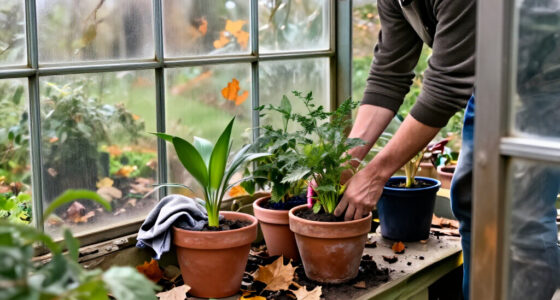
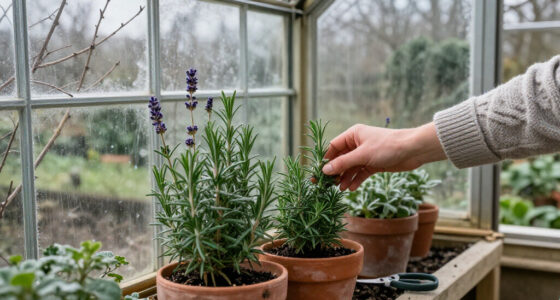
Its first suggested step is to inspect the plant’s surroundings: note how much daylight it receives and whether it sits near a drafty window, an exterior door or a heater. Moving a plant closer to a bright window or adding a grow light may help where natural light is limited. Rotating plants can spread light exposure, while wiping dust from leaves and cleaning windows can help more available daylight reach them.
For temperature, the report suggests checking the needs of the particular plant and monitoring the room with a thermometer. It gives 65–75°F as a general comfortable range, not a rule for every species. Plants should be kept away from direct heater output and cold drafts. The report also recommends careful watering, checking leaves for pests and removing dead foliage; it cautions against pruning more than one-third of a plant at a time.
Small Indoor Changes Can Reduce Stress
Leaf drop can be an early sign that a plant’s conditions have changed, rather than proof that it cannot recover. Checking light and temperature before making major adjustments can help owners address environmental stress while avoiding unnecessary watering or pruning.
The advice also points to a practical limitation of seasonal plant care: household conditions can change quickly as daylight falls and heating comes on. A plant beside a cold window may face drafts at night, while one near a radiator may encounter dry, warm air. Placement and consistency matter alongside watering, though the right conditions vary by species.
Popular right now

eufy E25 Robot Vacuum and Mop with HydroJet Roller Mop

TCL 85-Inch QM64L QD-Mini LED 4K Smart Fire TV

Vitamix Touch & Go Advance 32-Ounce Bar Blender, White
As an affiliate, we earn on qualifying purchases.
Why November Changes Plant Conditions
As autumn advances, days become shorter and homes receive less natural light. Indoor heating and colder weather can create new temperature differences around windows, doors and radiators. The report says that combination can be difficult for some houseplants, particularly tropical varieties that prefer stable warmth.
Leaf loss is not specific to seasonal light or temperature changes. The report also names pests and common care mistakes as possible causes. That means a change in placement or lighting may not address the problem if the plant is affected by another issue. The source offers general care suggestions rather than diagnosing any individual plant.
““One of the biggest culprits is the combination of lower light levels and cooler temperatures.””
— Homes and Gardens report
Leaf Loss Can Have Other Causes
The cause of a particular plant’s leaf drop cannot be determined from the symptom alone. The report says pests and care mistakes can also be responsible, but it does not provide a diagnostic test or a plant-by-plant assessment. The appropriate light, temperature and watering routine will depend on the species and the home environment.
The suggested temperature range is general guidance, not a guarantee that every plant will thrive within it. The report also does not specify how quickly a plant should recover after its conditions change. Continued leaf loss, visible pests or other signs of decline may call for closer identification of the problem rather than repeated adjustments.
Monitor Plants After Adjustments
After moving a plant or changing its light, owners can watch its leaves and check for drafts, heater exposure and pests. Adjustments should be made with the plant’s specific needs in mind. The report advises avoiding overwatering and heavy pruning while the plant is stressed, and removing dead leaves carefully rather than cutting away large amounts of healthy growth.
No formal follow-up or recovery timeline is provided in the report. The practical next step is continued observation through the darker months, with further changes guided by the plant’s condition and species-specific care needs.
Key Questions
Do shorter days cause houseplants to drop leaves?
Less daylight can contribute to leaf loss by limiting photosynthesis and the energy available to a plant. Temperature changes, pests and care problems can also play a role.
Should I move a plant closer to a window?
That may help if the plant is not receiving enough light, but check its needs and keep it away from cold drafts. A grow light is another option where daylight is limited.
What temperature should I keep my houseplants at?
The report gives 65–75°F as a general range, while advising readers to check the requirements of each plant. Avoid placing plants directly beside heaters or drafty windows.
Should I prune a plant that is losing leaves?
The report suggests removing dead foliage but cautions against pruning more than one-third of the plant at once, which could add stress. Check for pests and review light, temperature and watering as well.
Source: homesandgardens.com