
TL;DR

Get garden gear delivered free with Prime
- Fast, free delivery on millions of items
- Prime Video, Amazon Music and more included
- Member-only deals all year
Homes & Gardens advises bringing citronella plants indoors before frost, cutting them back, placing them in bright light and watering sparingly through winter. The plant is hardy outdoors only in USDA zones 9–11, and its reputation for deterring mosquitoes has not been proven.
Homes & Gardens has published a four-step guide to overwintering citronella plants indoors, advising gardeners in frost-prone areas to move them inside as nighttime temperatures approach 45°F. The steps—bringing the plant in, pruning it, providing bright light and reducing watering—can help gardeners keep the tender plant for another growing season rather than replace it in spring.
The guide identifies citronella as Pelargonium citrosum, a scented-leaf pelargonium with textured foliage and small pink flowers. It says the plant is hardy outdoors only in USDA hardiness zones 9–11; in colder areas, gardeners can treat it as an annual or bring it indoors for winter. Plants growing in garden beds need to be dug up and moved into pots before cold weather arrives.
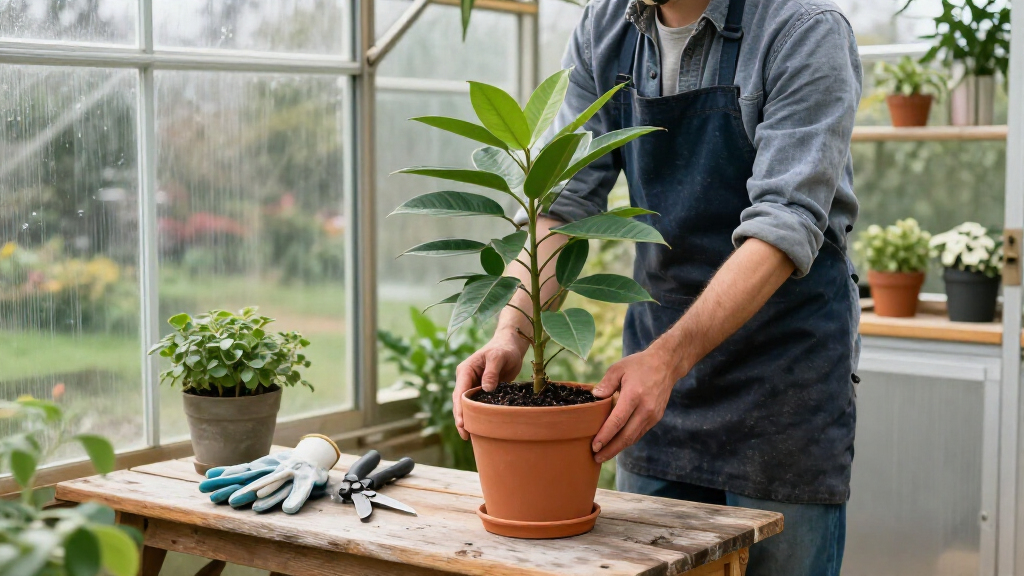
For the move indoors, the article recommends a bright, cool, frost-free location, ideally kept around 45°F to 50°F. It advises cutting stems back by as much as half with clean, sharp pruning shears, making cuts just above leaf nodes, and checking the plant for pests before bringing it near other houseplants.
Citronella should receive at least six hours of light a day, according to the guide. A sunny windowsill, porch, conservatory or greenhouse may provide suitable light; a full-spectrum LED grow light can supplement it if natural light is inadequate. Water less often in winter, letting the soil dry between waterings. The article says this may mean watering every two to four weeks, depending on conditions, rather than following a fixed schedule.
Keeping Citronella Through Winter
For gardeners in colder regions, the advice offers a way to preserve an established plant instead of discarding it at the end of summer and buying another the following year. The approach also gives gardeners a chance to take cuttings from pruned stems, though the article does not guarantee that cuttings or overwintered plants will thrive.
The guidance matters because frost can severely damage or kill citronella, while warm indoor conditions and excess watering can create other problems. A cool, bright space and careful watering address the plant’s winter needs without treating it like a typical tropical houseplant. The source also warns that citronella is toxic to people and pets, so indoor placement should account for household access.
The plant’s scent may be part of its appeal, but the guide draws a distinction between fragrance and pest control: claims that citronella repels mosquitoes are not proven. Gardeners may value its citrus-like aroma and foliage without relying on it as a demonstrated mosquito deterrent.
Popular right now

iRobot Roomba 105 Combo Robot Vacuum and Mop

Shark HydroVac MessMaster Wet/Dry Vacuum & Mop Combo (AW261)

De'Longhi Rivelia Fully Automatic Espresso Machine with Milk Frother, White
As an affiliate, we earn on qualifying purchases.
Frost Sets the Moving Date
The source says citronella can behave as a perennial in warmer climates, while gardeners in colder climates must either grow it as an annual or protect it indoors. It recommends watching local nighttime forecasts and moving plants before frost, rather than waiting for a particular calendar date. The article mentions November as a general time to bring plants inside, but the temperature threshold is the more useful guide because cold arrives at different times in different regions.
Container-grown plants can be moved directly indoors. Plants in beds need to be lifted and potted in well-draining potting soil. The source recommends keeping plants away from radiators, heating vents and other locations with fluctuating temperatures. It also stresses air circulation and frost protection alongside light, although it does not provide a specific ventilation setup.
““The time to bring citronella plants indoors is when nighttime temperatures start falling to 45°F.””
— Homes & Gardens
Results Depend on Indoor Conditions
The guide gives general temperature, light and watering ranges, but does not specify how quickly a plant will adjust after moving indoors or how much water an individual plant needs. Those needs can vary with pot size, soil, light and indoor temperature; the suggested two-to-four-week watering interval is not a rule for every home. The article recommends checking that the soil has dried before watering again.
It also does not establish that overwintering will succeed in every indoor setting. The advice on mosquito deterrence is explicitly qualified: the scent is associated with repelling mosquitoes, but that effect has not been proven in the source. No specific study or measurement is cited in the supplied report.
Watch Forecasts and Soil
Gardeners preparing plants for winter should monitor local nighttime forecasts and move citronella indoors as temperatures near 45°F, before frost reaches it. Once inside, the next steps are to prune, inspect for pests, select a bright and cool location, and check the soil regularly rather than watering by calendar alone.
Through winter, the plant should remain in a frost-free spot with adequate light and steady temperatures. As the weather warms, gardeners can reassess local conditions before moving it outdoors again; the source does not give a specific spring date or temperature for that move.
Key Questions
When should I bring a citronella plant indoors?
Homes & Gardens advises moving it inside as nighttime temperatures approach 45°F, before frost can damage the plant. Check local forecasts, since the timing varies by region.
How much should I water citronella in winter?
Water sparingly and let the soil dry between waterings. The guide says watering may be needed every two to four weeks, but conditions vary, so check the soil rather than relying on a fixed interval.
Does citronella repel mosquitoes?
The source says the plant is thought to deter mosquitoes, but that effect has not been proven. Its citrus-like scent and foliage are separate reasons people grow it.
Is citronella safe around pets and children?
The guide says citronella is toxic to humans and pets. Keep indoor plants out of reach of children and animals.
Source: homesandgardens.com