TL;DR

Get garden gear delivered free with Prime
- Fast, free delivery on millions of items
- Prime Video, Amazon Music and more included
- Member-only deals all year
A Homes & Gardens report outlines three November steps for hostas: remove dead leaves and surrounding debris, apply a thin layer of mulch without covering the crown, and shelter container plants from winter exposure. The guidance also says not to fertilize until new growth emerges in spring.
A November hosta-care report from Homes & Gardens recommends clearing dead leaves and garden debris, applying a light layer of mulch, and moving or sheltering potted plants before winter. The steps are intended to reduce risks from overwintering pests, disease, frost heave and waterlogged containers as hostas enter dormancy.
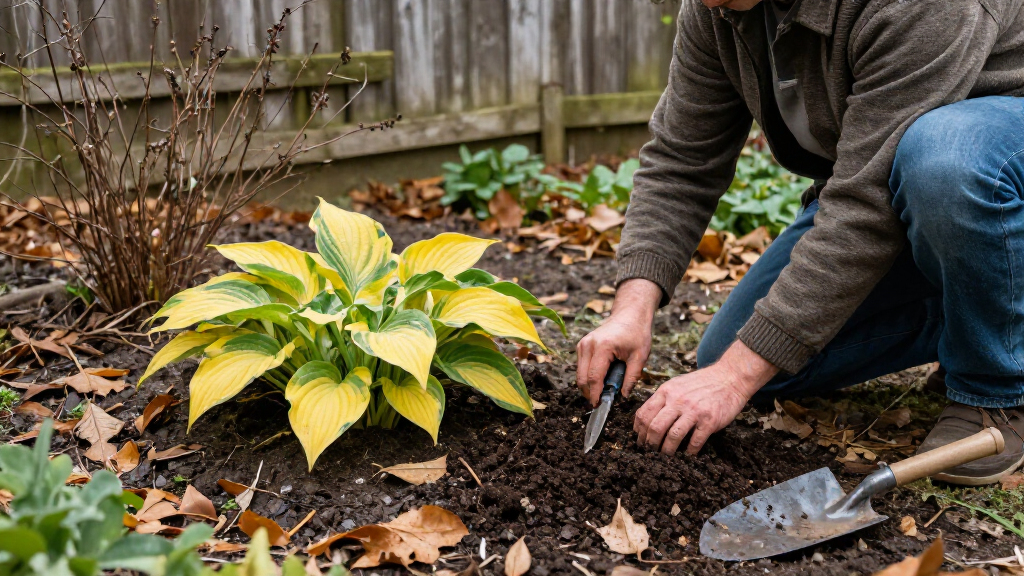
The report says to remove dead or yellow leaves from beds and containers, along with nearby leaf litter. Old foliage and debris can provide shelter for slugs and snails, while decaying material may also harbor disease organisms. Leaves that do not come away easily can be cut at ground level with sharp pruners. Gloves are recommended because old growth may be slimy, especially after frost.
After cutting back the plants, gardeners can add a thin layer of compost, wood chips or bark mulch. According to the report, mulch helps retain soil warmth and moisture and can limit frost heave, when repeated freezing and thawing lifts plants in the soil. It cautions against piling mulch over the crown, since trapped moisture may contribute to rot.
Hostas in pots need added protection because their roots have less insulation than plants in the ground. The report suggests grouping pots in a sheltered spot, placing small containers in an unheated greenhouse or cold frame, or wrapping pots with winter covers. Raising containers on pot feet can help drainage. It also advises against bringing hostas indoors or fertilizing them in November; feeding should wait until new growth begins in spring.
Three Tasks Before Hostas Go Dormant
These jobs address different winter risks rather than promising a particular size or display next season. Clearing litter may reduce places where slugs, snails and disease can persist; mulch can buffer soil conditions; and sheltering pots can reduce exposure to cold and excess rain. The report presents them as practical seasonal maintenance for plants preparing to die back and return in spring.
The distinction between plants in the ground and containers matters. The source describes hostas as generally cold-hardy, while identifying newly planted hostas and potted plants as more vulnerable. In-ground plants with established roots may need less intervention than recent divisions or plants in exposed pots.
Popular right now

Dreame L40 Ultra Gen 2 Robot Vacuum and Mop with 25,000 Pa Suction

Dreame G10 Pro Wet and Dry Vacuum Mop

Samsung 65-Inch The Frame Pro Neo QLED 4K TV (2026) Bundle with Modern Brown Bezel, HDMI Cables, and Home Theater Guide
As an affiliate, we earn on qualifying purchases.
Why November Care Differs by Planting
Hostas are perennial plants that commonly die back in fall and resume growth in spring. The report says they can grow in U.S. hardiness zone 3, but hardiness does not remove every winter risk: roots can be exposed by frost heave, and container soil is less insulated from freezing conditions.
November is also a useful time to remove foliage that has already turned yellow or become mushy. The report focuses on cleanup, soil cover and container placement, not heavy pruning of healthy plants or winter feeding. Its advice is seasonal guidance from Homes & Gardens; it does not cite a controlled trial or quantify how much larger hostas will grow after these tasks.
“Hostas are low-maintenance perennials. They don’t need hours of painstaking attention … But they are not no-maintenance.”
— Homes & Gardens report
Results Depend on Local Winter Conditions
The report does not specify how much these steps improve spring growth, nor does it provide a measured comparison between treated and untreated hostas. Local climate, drainage, pot size and plant establishment can affect the protection needed, so the guidance does not establish that every hosta requires the same treatment. It also does not claim that clearing litter will eliminate slugs, snails or disease; it describes the work as reducing potential overwintering shelter.
Wait for Spring Growth to Feed
For November, the recommended sequence is to clear dead foliage and debris, spread mulch without covering the crown, and move or insulate exposed containers while keeping them outdoors in sheltered conditions. Gardeners should check pots for drainage through winter and avoid leaving them in standing water. Fertilizing can resume when new growth appears in spring, according to the report.
Key Questions
Should hostas be cut back in November?
The report recommends removing dead or yellow foliage. Leaves that do not pull away easily can be cut at ground level with sharp pruners.
How should mulch be applied around hostas?
Use a thin layer of compost, wood chips or bark after cutting back the plants. Do not pile it over the crown, where trapped moisture may encourage rot.
Do potted hostas need winter protection?
The report says containers are more exposed to cold than garden soil. Group pots in a sheltered area, use an unheated greenhouse or cold frame, or insulate the pot, and raise it to support drainage.
Can hostas be brought indoors for winter?
The report advises against bringing hostas into the home. They should remain dormant outdoors in a sheltered place protected from severe exposure.
Should hostas be fertilized in November?
No. The report recommends waiting until new growth emerges in spring before feeding hostas.
Source: homesandgardens.com