
TL;DR

Get garden gear delivered free with Prime
- Fast, free delivery on millions of items
- Prime Video, Amazon Music and more included
- Member-only deals all year
A report by Ideal Home lists five plants garden experts recommend for windy gardens: hardy geraniums, ornamental grasses, photinia, lavender and hawthorn. Their structures may help them cope with wind, but suitability depends on conditions such as soil, exposure and whether plants are established.
Ideal Home has reported five expert-recommended plants for gardens exposed to autumn and winter winds: hardy geraniums, ornamental grasses, photinia, lavender and hawthorn. The advice offers gardeners options that may be less prone to wind damage than taller or more brittle plants, while experts stress that resilience depends on each plant’s structure and growing conditions.
Richard Barker, a horticultural expert and commercial director at LBS Horticulture, says hardy geraniums can suit windy borders because they grow low and form dense clumps. He says their foliage and interlocking growth help stabilise soil, while their lower, flexible structure is less exposed to wind than tall, top-heavy perennials. These are general characteristics; the report does not identify particular cultivars as performing best in every location.
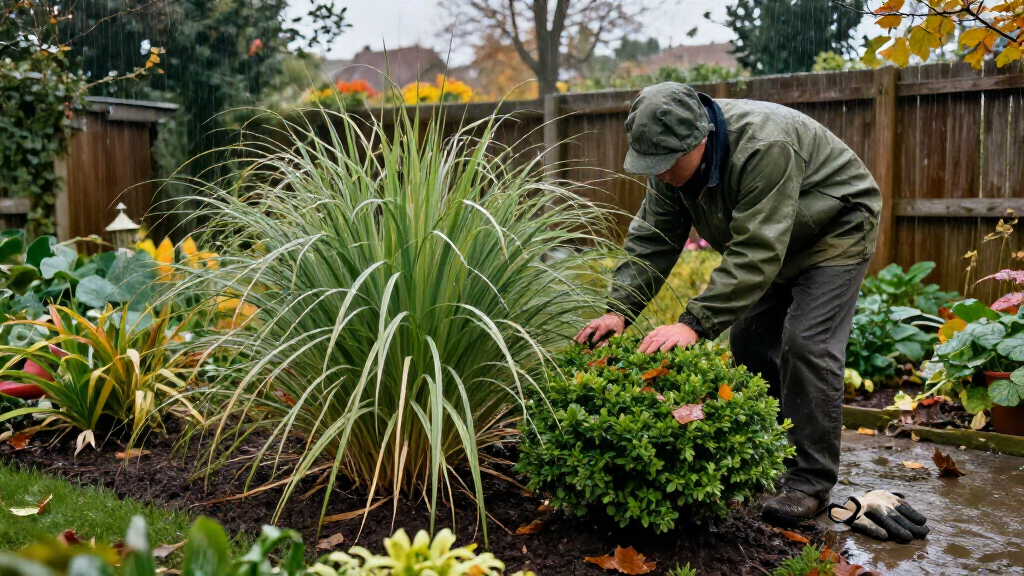
Ornamental grasses are another recommendation. Stephanie Harrod, founder of Harrod Horticultural, says their stems can move with the breeze rather than resist it. She names Calamagrostis ‘Karl Foerster’ as a variety suited to exposed borders. The report also recommends photinia, citing its flexible wood and dense foliage. Barker says its leaves have a glossy cuticle that can help limit moisture loss, and that established plants develop a root network that anchors them.
Harrod describes lavender as a suitable choice for sunny, exposed places, noting its narrow leaves and woody growth. She cautions that it needs free-draining soil because wet roots can cause problems. Hawthorn, recommended by Barker as a native hedge plant, can filter and slow wind rather than form a solid barrier. He says its branches can flex and that the plant can recover from severe pruning. The source lists UK retailers and example prices, but these may change and availability is not confirmed.
Choosing Plants for Exposed Borders
Wind can damage garden plants by bending or snapping stems, stripping moisture from foliage or disturbing roots. The recommendations focus on features that may reduce those risks: low growth, flexible stems, dense clumps and adaptable branches. For gardeners replacing damaged plants or planning a border, those traits offer a practical starting point when choosing what to plant.
The advice is not a guarantee that any of the five plants will withstand every storm. Site exposure, soil drainage, plant maturity and local conditions affect how well a plant establishes and copes with wind. The list also covers different roles: geraniums are low-growing, grasses add height, photinia can form a screen, lavender suits sunny ground, and hawthorn can be used as native hedging.
Popular right now

Dyson V8 Cyclone Cordless Vacuum

Philips Café Aromis Automatic Espresso Machine with LatteGo Pro Milk System

Dyson Ball Animal 3 Upright Vacuum – Corded, 290 AW, De‑tangling Motorbar Cleaner Head, 3 Suction Modes
As an affiliate, we earn on qualifying purchases.
Why Wind-Resistant Planting Matters
The report frames its advice around autumn and winter weather in the UK, when strong winds can leave gardens looking damaged. Its focus is on plant selection, rather than a forecast for a particular storm or a claim that these plants cannot be harmed by severe weather.
The recommendations come from two named horticultural sources, Richard Barker and Stephanie Harrod, quoted by Ideal Home. The article offers planting suggestions and retailer listings, but does not provide comparative trials, wind-speed thresholds or a ranking of the plants’ performance. Its descriptions should be read as expert guidance, not as measured guarantees.
“Hardy geraniums are good for windy gardens because they are low-growing and have dense foliage.”
— Richard Barker, horticultural expert and commercial director at LBS Horticulture
Limits of the Plant Recommendations
The report does not specify how each plant performs at different wind speeds, in varying soil types or in particular regions. It also does not compare these plants with alternatives through controlled testing. No plant is presented as storm-proof, and severe weather can damage even well-established specimens.
The source gives no publication date, and its retailer prices and stock listings may have changed. It is also unclear whether newly planted specimens would cope as well as established plants; the guidance specifically notes that photinia’s anchoring root network develops once the shrub is established.
Planning for the Coming Storm Season
Gardeners considering the recommendations can match each plant to the conditions in their own gardens, particularly sunlight, drainage and exposure. The source advises that lavender needs free-draining soil, while the other plants serve different functions, from low border cover to hedging. Checking current availability and prices with retailers is necessary because the listed offers are not guaranteed to remain current.
The report does not announce a follow-up study or provide a timetable for further guidance. Its practical next step is plant selection and appropriate establishment; how any planting performs will depend on local conditions and future weather.
Key Questions
Which five plants does the report recommend for windy gardens?
Ideal Home’s expert recommendations are hardy geraniums, ornamental grasses, photinia, lavender and hawthorn.
Are these plants guaranteed to survive storms?
No. The report describes traits that may help them cope with wind, but does not claim they are storm-proof. Severe weather and local growing conditions can still cause damage.
Which plant does the report suggest for an exposed, sunny spot?
Stephanie Harrod recommends lavender for a sunny, exposed area. She says it needs free-draining soil because wet roots can cause problems.
Why is hawthorn suggested for windy gardens?
Richard Barker says a hawthorn hedge can let some wind filter through and slow it down. Its branches can flex, rather than forming a solid barrier that blocks the wind.
Are the prices in the report current?
The source lists example retailer prices, but it does not confirm that they remain current. Check retailers directly for present prices and availability.
Source: idealhome.co.uk