TL;DR

Get garden gear delivered free with Prime
- Fast, free delivery on millions of items
- Prime Video, Amazon Music and more included
- Member-only deals all year
Planet Natural advises checking three locations when houseplants start dropping leaves after home heating begins: cold windows, direct airflow from supply vents and corners that have become dimmer. The timing may point to an environmental change, but it does not establish a cause; gardeners should also check soil moisture, drainage and signs of pests before making further changes.
A Planet Natural report advises gardeners to check cold window glass, direct heating-vent airflow and dim corners when a houseplant starts dropping leaves after the furnace comes on. The timing can offer a clue to changing conditions, but the report cautions that it is not a diagnosis: light, watering, temperature and other factors can shift at once.
At a window, check the plant’s position after sunset, not just how the sill feels during the day. Leaves touching cold glass or caught behind a closed curtain may experience conditions that differ from the room temperature shown by a thermostat. The report recommends moving foliage away from cold panes and obvious drafts while preserving suitable light, then checking the new position during a cold evening.
For a heating vent, observe the plant while the system is running. Repeated bursts of direct warm air can contribute to drying, and delicate foliage such as fern leaflets may develop crisp edges or fall. Move the plant out of the airflow, but do not block the vent or place the pot in a dark or cold spot. The report says misting is not a reliable fix for repeated hot airflow and distinguishes room humidity from soil moisture.
Finally, check the light at the plant’s level at different times of day. Winter sun, curtains, an overhang or a nearby building can make a once-bright corner dimmer. The report cites University of Minnesota indoor-light guidance, which lists older leaf loss, pale foliage and stretched growth as possible responses to insufficient light. Those signs can have other causes, so light should be considered alongside the plant’s overall condition.
Small Location Changes Can Stress Plants
The seasonal timing matters because several changes can coincide when heating begins: airflow, window temperatures, daylight and watering needs may all differ from earlier in the year. A plant can therefore show stress without one obvious cause, and treating leaf loss as proof of a single problem could lead to unnecessary moves, watering or repotting.
A measured check can help gardeners correct a clear environmental issue while avoiding added stress. The report recommends making one adjustment at a time, recording the plant’s location and moisture condition, and watching the remaining foliage and new growth. That approach makes it easier to see whether conditions improve without assuming already-yellow leaves will recover.
Popular right now

Jura E6 Automatic Espresso Machine, Piano Black (15622)

De'Longhi Dinamica Plus Fully Automatic Espresso Machine

KitchenAid Artisan 5-Qt Tilt-Head Stand Mixer – Dried Rose (KSM150PS)
As an affiliate, we earn on qualifying purchases.
Heating Season Changes Plant Conditions
The report frames leaf drop after the heat comes on as a change in conditions rather than a diagnosis tied to the calendar. A thermostat elsewhere in the room may not reflect the cold microclimate near a window or the repeated warm air reaching a plant beside a vent. A corner that looks comfortable to a person may also provide little light for growth.
Plant needs vary. Planet Natural notes that weeping figs can shed leaves after being brought indoors, while a fern may be sensitive to drying airflow. Even plants that tolerate lower light, such as pothos, still need usable light. These examples are reasons to assess each plant and its setting—not proof that any one species or symptom identifies the cause.
Leaf Drop Does Not Identify Its Cause
The report does not establish that heating caused any particular plant to lose leaves, nor does it identify one cause for leaf drop across houseplants. Cold, hot airflow and low light are possible concerns to inspect, but watering conditions, root health and pests can also contribute. Dust or one yellow leaf alone does not confirm an infestation.
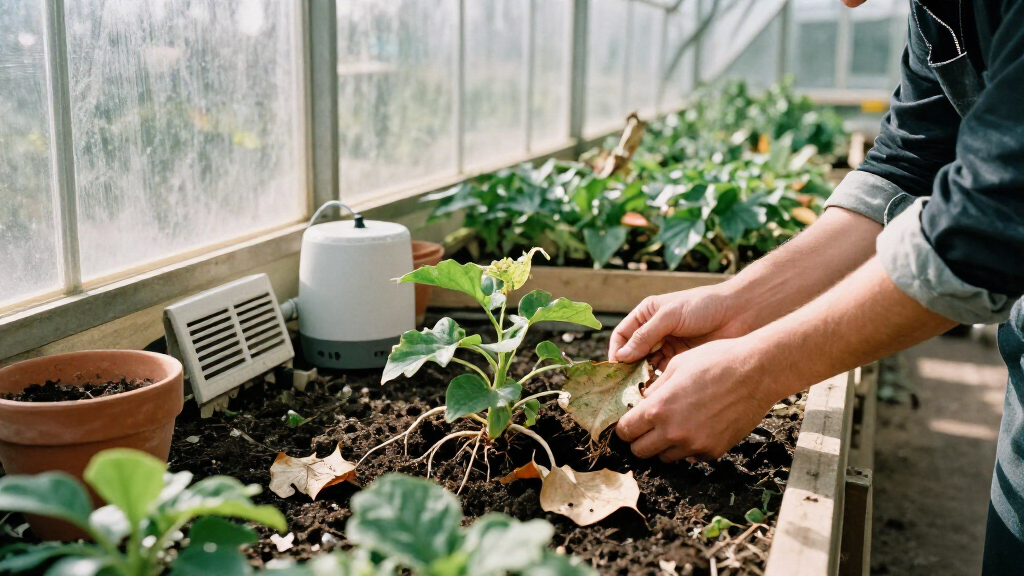
Check the growing medium below the surface and look for water trapped inside a decorative outer pot. A plant in cooler, dimmer conditions may use water more slowly, while hot airflow can dry it faster. The report also advises inspecting leaf undersides, stems and new growth for possible pests such as mites, scale or mealybugs, and separating a suspect plant while identifying the issue. It provides no case-specific diagnosis or guarantee about how quickly a plant will recover.
Track One Change at a Time
After checking the three spots, make a single suitable adjustment—for example, shifting a plant away from cold glass or direct vent airflow while keeping appropriate light. Check soil moisture and drainage before watering, and avoid repotting a healthy plant solely because leaves have fallen. The report recommends recording the original location and moisture condition, then rechecking remaining leaves and new growth over the following days and weeks.
Act sooner if decline accelerates or the plant wilts while its mix remains wet, develops a sour smell, or has a soft stem base; the report says these signs warrant prompt attention to drainage and roots. The next useful indication is the trend in the plant’s remaining foliage and new growth, not whether already-damaged leaves return.
Key Questions
Does leaf drop after the heat comes on prove the furnace is the cause?
No. The timing is a clue, not a diagnosis. Changes to temperature, airflow, light and watering can overlap, and the report advises checking the plant’s conditions and health.
Which three locations should I check?
Inspect the space beside cold window glass, the path of direct warm air from a supply vent, and any corner that may have become dimmer. Check conditions where the leaves and pot actually sit.
Should I water more if a vent is drying the leaves?
Not automatically. Check the growing medium below the surface and look for standing water in an outer container. Room humidity and soil moisture are different, and a wet root ball can be hidden under a dry-looking surface.
When should I check for pests or root trouble?
Inspect leaf undersides, stems and new growth if loss continues, and look for possible pest signs such as fine webbing or cottony deposits. A plant that wilts in wet mix, smells sour or has a soft stem base needs a prompt drainage and root check.
Source: planetnatural.com