TL;DR

Get garden gear delivered free with Prime
- Fast, free delivery on millions of items
- Prime Video, Amazon Music and more included
- Member-only deals all year
An Amateur Gardening report recommends composting suitable prunings and leaves or making wildlife piles instead of burning excess garden waste. The piles can provide shelter for insects and other animals while organic material breaks down, though diseased plants should be handled separately.
Amateur Gardening has recommended composting suitable garden waste or leaving it in wildlife piles rather than burning it, arguing that these options return organic material to the garden and provide animal shelter. The seasonal advice addresses a common problem for gardeners: dealing with large amounts of leaves and prunings that may not fit in a compost bin or green-waste collection.
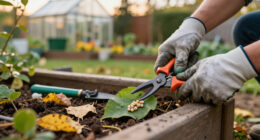
The report says small quantities of mixed garden material can often go into a compost bin. Woody stems cut into short lengths can be mixed with other compost ingredients; the article says they add nutrients and can help keep the mix aerated. Thorny material is best kept out of compost where it could create hazards later, while the report suggests burying it or using a green-waste collection. It also advises excluding diseased material from ordinary home composting.
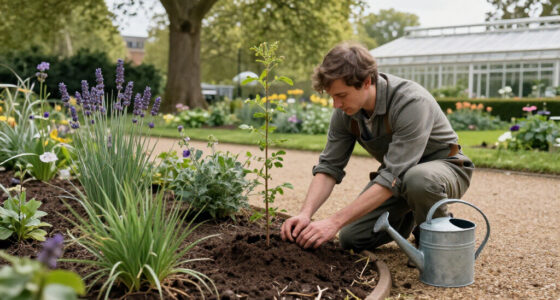
When there is too much material for those routes, the article proposes a wildlife pile: an unburned heap of wood and other suitable garden debris left in a convenient place to decay. It says insects such as beetles and woodlice use the decomposing material, while the pile may offer shelter or hibernation space for larger animals, including hedgehogs. The material can take several years to break down.
For smaller gardens, the report suggests making compact bundles from prunings. Gardeners can lay stems across two lengths of wire or strong twine, trim pieces that extend too far, then tie the bundle tightly into a roll and place it in a concealed spot among dense shrubs or evergreens. The article says a cover within a larger pile can help keep its interior dry and extend its usefulness as shelter.
Less Smoke, More Garden Habitat
The practical difference is that a wildlife pile deals with garden debris without turning it into smoke and ash. The Amateur Gardening report warns that a poorly managed, smoky bonfire can cause smoke pollution, affect people nearby and kill small animals living in the material. Burning also releases carbon dioxide and destroys organic matter that could otherwise break down and return nutrients to the soil.
Leaving suitable debris to decay can make garden tidying useful for wildlife as well as soil. That option depends on having a place where a pile can remain undisturbed, but the article’s bundled-pruning suggestion offers a smaller-scale approach for gardens with limited space. The advice is not a claim that every garden can avoid burning in every circumstance; it describes alternatives for suitable material and locations.
Popular right now

Ninja SP151 Flip Toaster Oven and Air Fryer, 8-in-1, Stainless Steel

Bose QuietComfort Wireless Bluetooth Headphones with Active Noise Cancellation, Mic, USB‑C Charging, Deep Bass, 24‑Hour Battery – White Smok

Bose QuietComfort True Wireless Earbuds with Active Noise Cancellation, Black
As an affiliate, we earn on qualifying purchases.
Sorting Autumn Garden Debris
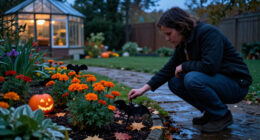
The report frames the advice around the seasonal tidy-up: collecting fallen leaves, cutting back herbaceous plants and pruning hedges, shrubs, trees and fruit bushes. For many smaller gardens and allotments, the resulting mix is manageable and can be composted. The difficulty grows when the waste is mostly one material, such as leaves or woody cuttings, or when the volume exceeds the capacity of a household bin or collection service.
That is when gardeners may resort to bonfires, the article says. It distinguishes between a controlled fire held for a celebration and a smoking heap used simply to dispose of waste, but its central recommendation is to consider non-burning options for suitable garden material. The report does not provide local rules on bonfires or collection services; those can vary by location.
““There is an alternative for all but the diseased stuff: the wildlife pile.””
— Amateur Gardening report
Limits of the Garden Pile Advice
The report does not give detailed instructions for identifying or disposing of every kind of diseased plant, nor does it specify which diseases might survive particular composting processes. Gardeners should check local guidance for plant-waste disposal and collection. It also does not quantify the emissions or wildlife effects of bonfires, so those impacts are presented as general cautions rather than measurements.
Whether a wildlife pile is practical depends on available space, the volume and type of debris, and the need to keep the area accessible or tidy. The report does not assess the effects of its suggested covering material on wildlife or the environment, and it does not give a detailed method for making a pile safe from fire or other hazards.
Choose a Disposal Route
For gardeners acting on the advice, the next step is to sort debris by type and condition: compost suitable mixed material, set aside thorny or diseased waste for an appropriate disposal route, and consider a wildlife pile for clean woody debris where space permits. Before burning any waste, readers should check local rules and consider smoke impacts on neighbours.
The article offers no announced follow-up or new policy change. Its guidance is seasonal and practical: use composting and wildlife shelter where they fit, and verify local disposal advice for material that should not be left to decay in a garden pile.
Key Questions
What can I use instead of a garden bonfire?
The report suggests composting suitable mixed garden waste or leaving clean woody debris in a wildlife pile to break down. Smaller quantities of prunings can be tied into compact bundles and hidden among dense shrubs.
Can woody prunings go in a compost bin?
The Amateur Gardening report says short lengths of fresh woody stems can compost when mixed with other material. It advises keeping thorny cuttings out to avoid hazards and handling diseased material separately.
What is a wildlife pile?
It is a heap of suitable garden debris left to decay. The report says the rotting material may provide habitat for insects and woodlice, as well as shelter or hibernation space for animals such as hedgehogs.
What should I do with diseased garden waste?
The report excludes diseased material from its wildlife-pile recommendation. It does not set out a complete disposal guide, so gardeners should check local waste and gardening advice for the affected plant material.
Source: amateurgardening.com