
TL;DR

Get garden gear delivered free with Prime
- Fast, free delivery on millions of items
- Prime Video, Amazon Music and more included
- Member-only deals all year
Homes & Gardens has published a shopping guide featuring 16 wildlife cameras designed to record animals in gardens. The options include camera-equipped bird feeders and nest boxes, as well as general-purpose models; the report says footage can help gardeners identify visiting wildlife and tailor their garden choices.
Homes & Gardens has published a guide to 16 wildlife cameras for people who want to record animals visiting their gardens, including birds, mammals and nocturnal wildlife. The report describes options ranging from cameras built into bird feeders and nest boxes to general-purpose motion-activated cameras, and says recordings may help gardeners identify which animals are using their yards.
The guide presents cameras for different uses rather than one model for every garden. Smart bird feeders record close-up footage of birds at a feeding station, while a camera-equipped hummingbird feeder is aimed at observing hummingbirds where they visit. A smart owl nest box offers another specialized option, intended to record activity around a nesting or sheltering site.
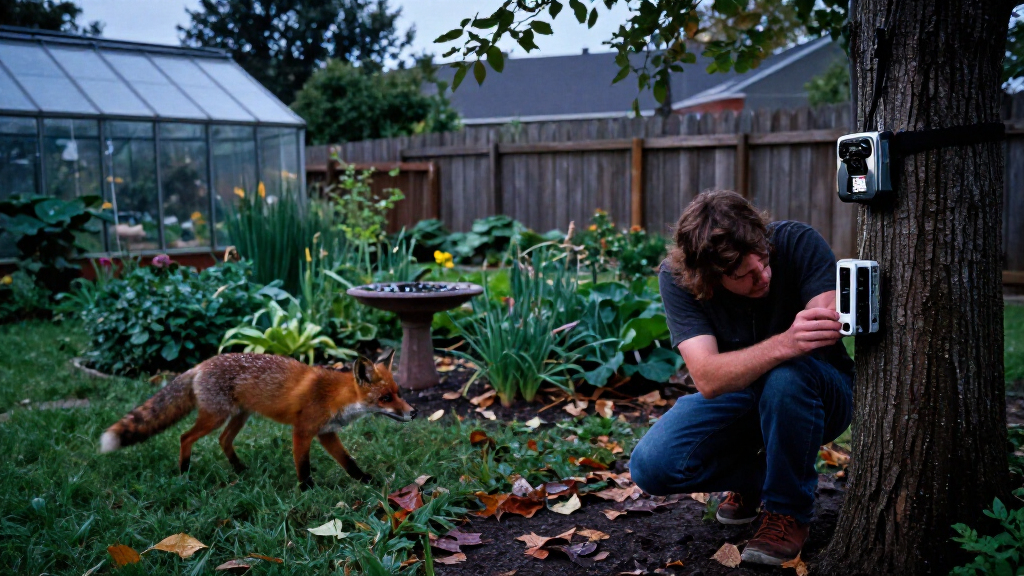
For broader monitoring, the report points to motion-detection cameras that can be attached to a post or pole. It says some models use night vision to record animals active after dark, and can be positioned near areas where gardeners suspect wildlife is eating crops or disturbing plantings. The article names deer, rabbits and rodents as examples of animals a camera might help identify.
Homes & Gardens says recorded visits can inform decisions about food, native plants and wildlife shelters. It also suggests building a brush pile as shelter for birds, mammals and insects, particularly in fall. The source is a product guide and does not report a new scientific study, sales data or independently tested performance results for the 16 products.
How Garden Footage Can Guide Choices
The practical value described in the report is that a camera can replace guesswork with observations of which animals are visiting and when. Knowing what is present may help a gardener decide whether to offer suitable food, plant native species that support birds, or add shelter such as a brush pile. That can make wildlife-friendly changes more targeted, rather than relying only on general assumptions about local animals.
Footage may also help identify an animal responsible for damaged crops or plants, according to the article. That identification could inform a gardener’s response, although the report does not evaluate particular deterrents or establish that a camera will prevent damage. Its broader point is that monitoring can serve both wildlife observation and garden management.
Specialist products also change what a homeowner can record: a feeder camera focuses on birds at close range, while a general camera can monitor a wider part of the yard. The guide frames these as options for different needs, not as evidence that every garden requires a camera.
smart bird feeder with camera and app
As an affiliate, we earn on qualifying purchases.
As an affiliate, we earn on qualifying purchases.
A Guide to Different Camera Types
The source article is a shopping and gardening guide titled “Wildlife Cameras Reveal the Backyard Visitors You Don’t Even Know Are There – 16 Top Picks to Capture Charming Footage.” It describes 16 products, but the supplied material does not include a complete product-by-product list, prices, technical specifications or comparative test results.
Its categories include cameras integrated into bird feeders, a hummingbird-specific feeder, an owl nest box with a camera, and smaller general-purpose cameras that can be placed around a yard. The report says wildlife cameras may also serve security purposes, but its main focus is recording garden visitors and using that information to shape garden decisions. The product examples and recommendations are attributable to Homes & Gardens.
““Wildlife cameras have more use than one in the garden.””
— Homes & Gardens
What the Product Guide Does Not Establish
The supplied report does not state when the guide was published, explain how the 16 products were selected, or provide an independent testing method. It also does not give a full comparison of image quality, detection range, battery life, storage, connectivity or price. Those details would be needed to assess how the options compare for a particular garden.
There are no reported measurements showing how often the cameras capture wildlife, whether they disturb animals, or how well any model identifies a species. The article’s descriptions of potential uses should not be read as proof that every camera will record every visitor or solve a crop-damage problem. Local wildlife, camera placement and product features may affect results, but the source does not provide further detail.
Choosing and Using a Garden Camera
The article offers product categories for readers to compare according to what they hope to observe: birds at a feeder, activity at a nest box, or animals moving through a wider area. Before choosing a model, readers would need to check its specifications and suitability for the intended location; those comparisons are not set out in the supplied source material.
For gardeners who use footage to change their planting or provide shelter, the next step described by Homes & Gardens is to apply those observations—for example, by growing native plants or making a brush pile. The report does not announce a follow-up study or new product release. No further developments are specified in the source.
Key Questions
What does the Homes & Gardens guide cover?
It highlights 16 wildlife cameras for gardens, including camera-equipped feeders and nest boxes, along with general-purpose motion-detection cameras.
Can a wildlife camera record animals at night?
The report says some general-purpose models have night vision for observing nocturnal activity. It does not provide model-by-model performance details.
How might garden footage help?
According to Homes & Gardens, recordings can show which animals visit, potentially helping gardeners decide what food or shelter to provide and what native plants to grow. Footage may also help identify animals affecting crops.
Does the report prove that one camera is best?
No. The source presents different camera types for different uses, but the supplied material does not provide comparative tests or evidence naming a best-performing model.
Source: rss
Fall Picks
fall essentials
As an affiliate, we earn on qualifying purchases.