TL;DR

Get garden gear delivered free with Prime
- Fast, free delivery on millions of items
- Prime Video, Amazon Music and more included
- Member-only deals all year
Homes & Gardens published a shopping roundup of 16 bee hotel designs made from natural materials, including wooden and bamboo options and models intended for different garden placements. The report says bee hotels can provide nesting shelter for some bees and may also be used by other insects, but it does not provide independent testing, prices or a full list of product names in the supplied material.
Homes & Gardens has published a selection of 16 bee hotel designs made from natural materials, presenting them as garden shelters for nesting bees and, in some cases, other insects. The roundup describes wooden and bamboo models in different shapes and mounting styles, giving readers options for adding nesting structures without choosing plastic designs; the source material does not identify all 16 products or provide comparative test results.
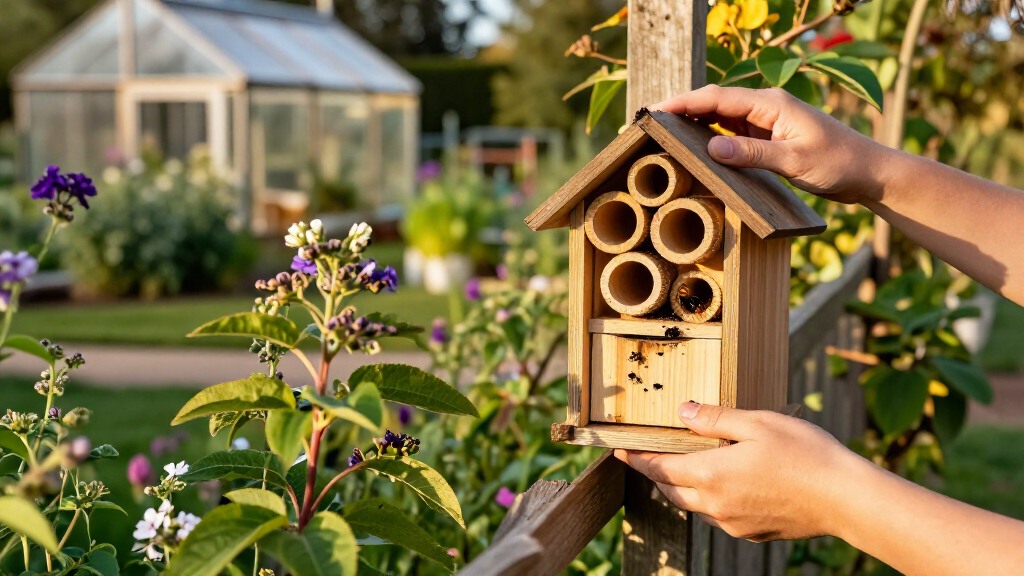
The report describes bee hotels as structures with crevices or tunnels that can offer nesting shelter to bees. It says other insects, including butterflies, may also use some models. The products mentioned include traditional house-shaped wooden designs, a teardrop-shaped bamboo house, a wooden hotel with a water tray and a model with a butterfly section. These are examples in the source, not a complete inventory of the 16 selections.
Options differ in their intended placement: the roundup refers to hotels that can be hung, mounted on a fence post or set into the ground on a stake. It also mentions a specific mason bee house with a hexagonal shape and beeswax coating, along with replacement tunnel refills sold separately. The source does not give prices, dimensions, availability or detailed construction specifications for the products cited.
The roundup’s stated focus is on natural materials and garden appearance. It contrasts these products with plastic designs that it describes as potentially cheap-looking or gimmicky. That is an editorial assessment, not a reported result from product testing. The supplied material also gives no evidence that every listed design has been evaluated for nesting success, durability or suitability for particular bee species.
Adding Nesting Shelter to Gardens
For readers looking to support wildlife in a garden, the roundup draws attention to nesting structures as one possible habitat feature. Unlike a general pollinator planting list, it focuses on ready-made shelters and the choices gardeners face over material, shape and installation. The source says bee hotels can be used by nesting bees and that some designs accommodate other insects, although it does not quantify how many animals use them or measure any effect on local pollinator populations.
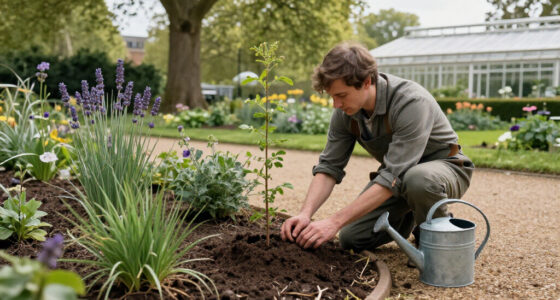
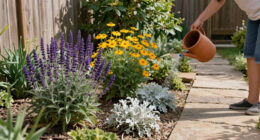
The practical point is that a hotel is only one part of a wildlife-friendly garden. Homes & Gardens also recommends flowering plants that provide nectar later in the growing season and advises against removing all fallen leaves and garden debris in autumn, which can shelter insects. These suggestions broaden the focus from buying a product to maintaining food and shelter across the garden. The report does not claim that a bee hotel alone will improve pollination or resolve declines in pollinator numbers.
As an affiliate, we earn on qualifying purchases.
Other Shelter and Seasonal Food
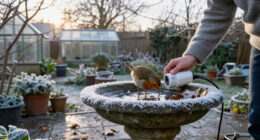
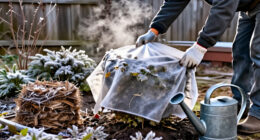
The report places its 16-product selection within broader autumn garden advice. It suggests growing late-season flowering plants to offer nectar when fewer sources may be available, and leaving some fallen leaves and garden debris rather than tidying every area. It also mentions a brush pile made from woody garden material as another shelter option for insects, small mammals and birds.
Those recommendations are presented as additional ideas, not as product features or findings from a study. The supplied source is a shopping roundup from Homes & Gardens, and the product examples are linked to retailers including Amazon and Wayfair, as well as Walmart. No publication date, research citations or independent assessment methodology is included in the material provided for this article.
““Here are our top 16 picks, all built with quality to last for many years to come.””
— Homes & Gardens
Product Testing and Suitability Details
The source material does not provide the full list of 16 products, their prices, dimensions, availability or precise materials. It also does not say whether the hotels were independently tested, how long they were assessed for durability, or what evidence supports the claim that they last for many years. The roundup’s descriptions should therefore be read as editorial product guidance, rather than comparative scientific findings.
It is also unclear from the supplied report how each product’s tunnel size and design correspond to particular bee species, or how frequently butterflies and other insects use the featured structures. No data on occupancy, local pollinator outcomes or installation results is provided. Readers would need to check individual product listings and guidance from relevant wildlife or gardening authorities for those specifics.
Check Listings Before Buying
The immediate next step for readers interested in a particular design is to consult its retailer listing for current price, dimensions, materials and mounting instructions; those details may vary and are not included in the supplied roundup excerpt. Gardeners can also pair a shelter with flowering plants and some less-tidied areas, the other habitat measures named by Homes & Gardens.
The supplied material does not announce a follow-up report, new research or a future update to the 16-product selection. Any changes to product availability or the roundup itself remain unreported here.
Key Questions
What did Homes & Gardens publish?
It published a shopping roundup selecting 16 bee hotel designs made from natural materials. The supplied source excerpt does not include the full list of products.
What kinds of bee hotels are mentioned?
Examples include wooden house-shaped designs, a teardrop bamboo model, a hotel with a water tray and a mason bee house. The report also describes different ways to hang, mount or stake a hotel.
Can other insects use a bee hotel?
The roundup says other insects may use some bee hotels, and mentions a model with a butterfly section. It provides no figures on how often insects use the products.
Does the report show that the products were tested?
No testing method or comparative results are given in the supplied material. Its comments about quality and durability are editorial descriptions, not documented test findings.
What other garden steps does the report suggest?
It recommends late-season flowering plants, leaving some fallen leaves and garden debris, and making a brush pile from woody garden material as additional habitat options.
Source: rss
Fall Picks
fall essentials
As an affiliate, we earn on qualifying purchases.