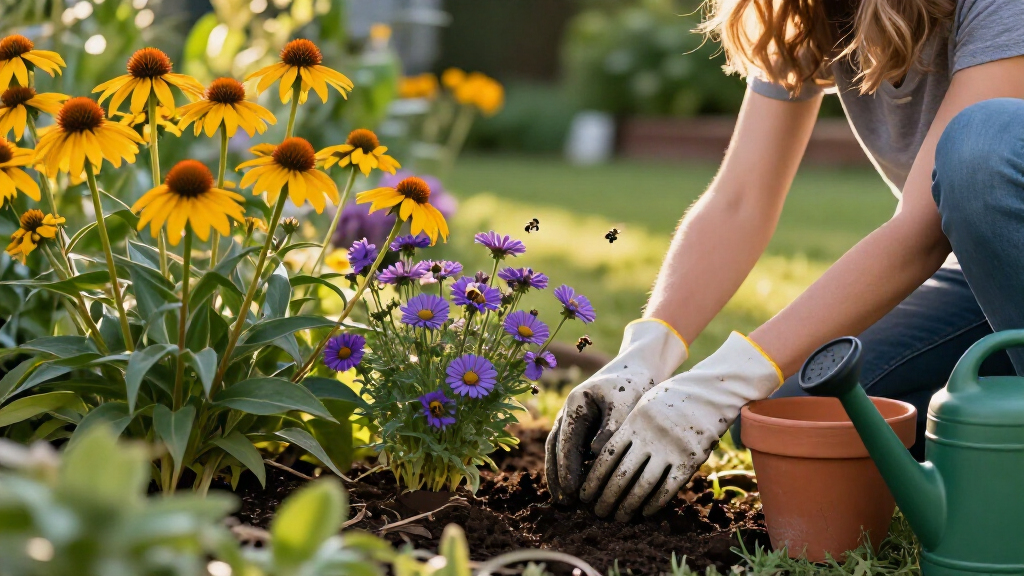

For the best fall flowers for bees, I’d start with New England aster seeds: asters bloom late, offering bees forage when many summer flowers have faded. Autumn Beauty sunflowers add broad, visible blooms, while a diverse wildflower mix can spread flowering across more of the season. The main tradeoff is between a focused, predictable planting and a mix that offers variety but may include species unsuited to your climate or bloom window. Read on for the full breakdown of 13 options and how I’d match them to different gardens.

Get garden gear delivered free with Prime
- Fast, free delivery on millions of items
- Prime Video, Amazon Music and more included
- Member-only deals all year
Complete the kit


Key Takeaways
- New England asters lead for late-season forage: Both aster listings focus on a perennial species associated with fall bloom, making them more targeted choices than general mixes.
- Sunflowers offer a simpler focal planting, not the broadest bloom calendar: Autumn Beauty and Velvet Queen are single-flower options, so they suit gardeners who want a clear visual feature rather than a mix of flower types.
- Wildflower mixes vary more by composition than by seed count: A large seed total does not tell you whether species will thrive locally or bloom in fall; check the mix details before sowing.
- Perennial mixes favor longer-term garden plans: Eden Brothers and Burpee are perennial-focused options, while several other mixes include annuals, which can give earlier color but may need reseeding.
- Species-specific seeds give more control, while mixes spread uncertainty: Cornflower or aster seeds let you choose a narrower planting, whereas pollinator blends offer variety but require closer attention to regional suitability and bloom timing.
| Autumn Beauty Heirloom Sunflower Seeds, Non-GMO, 100 Seeds |  | Best for Tall, Showy Fall Blooms | Seed quantity: Approximately 100 seeds | Plant height: 5–7 feet | Bloom size: 4–8 inches | VIEW LATEST PRICE | See Our Full Breakdown |
| 600 New England Aster Heirloom Flower Seeds |  | Best for Dependable Fall Bee forage | Seed count: 600 | Plant type: Perennial flower | Botanical name: Aster novae-angliae | VIEW LATEST PRICE | See Our Full Breakdown |
| 1500 Mixed-Color Cornflower Seeds for Planting |  | Best for Flexible Border and Container Sowing | Seed count: 1,500 | Item weight: 4.54 g | Flower color: Mixed colors | VIEW LATEST PRICE | See Our Full Breakdown |
| PlantPrime Wildflower Seeds Mix, 4 oz, 20 Varieties |  | Best for Broad Pollinator Plantings | Seed weight: 4 oz | Seed count: More than 200,000 | Varieties: 20 | VIEW LATEST PRICE | See Our Full Breakdown |
| Home Grown 24-Variety Wildflower Seed Mix, 90,000+ Seeds, 3 oz |  | Best for Beginners Building a Long-Season Patch | Varieties: 24 wildflower varieties | Seed quantity: More than 90,000 seeds | Package weight: 3 oz | VIEW LATEST PRICE | See Our Full Breakdown |
| Bee & Butterfly Wildflower Seed Mix, 25 Annual and Perennial Varieties, 10,000+ Seeds, Covers 100–120 sq. ft. |  | Best for a Mixed Annual-and-Perennial Patch | Varieties: 25 heirloom annual and perennial varieties | Seed count: 10,000+ | Package weight: 40 g | VIEW LATEST PRICE | See Our Full Breakdown |
| New England Aster Seeds – 500+ Purple Perennial Flower Seeds, Non‑GMO Heirloom Wildflower, Attracts Bees & Butterflies, Ideal for Garden Beds & Cut Flowers |  | Best for Reliable Late-Season Focus | Seed count: 500+ per packet | Plant height: Up to 48 inches | Bloom period: Late summer to first frost | VIEW LATEST PRICE | See Our Full Breakdown |
| Eden Brothers All Perennial Wildflower Seed Mix, 1 oz |  | Best for a Perennial-First Garden | Seed quantity: 1 oz | Species: 19 | Plant type: Perennial wildflower mix | VIEW LATEST PRICE | See Our Full Breakdown |
| Mountain Valley Seed Company Save the Bees Wildflower Seed Mix, 2 oz |  | Best for Covering a Large Sunny Area | Seed weight: 2 oz | Seed count: 80,000+ | Varieties: 19 annual and perennial wildflowers | VIEW LATEST PRICE | See Our Full Breakdown |
| 15-Variety Non-GMO Wildflower Seed Mix for Pollinators, 5,000+ Seeds |  | Best for Flexible Small-Space Planting | Seed count: 5,000+ | Varieties: 15 | Seed type: Non-GMO, open-pollinated heirloom | VIEW LATEST PRICE | See Our Full Breakdown |
| Seed Needs Velvet Queen Sunflower Seeds, 1 Pack | 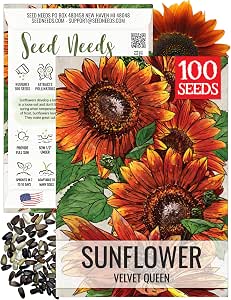 | Best for Dramatic Fall Color | Flower variety: Velvet Queen sunflower | Color: Red-orange | Expected bloom: Summer to fall | VIEW LATEST PRICE | See Our Full Breakdown |
| Burpee Perennial Wildflower Seed Mix, 25,000 Seeds, 18 Varieties |  | Best for Large Sunny Gardens | Seed count: At least 25,000 | Flower varieties: 18 | Coverage: Up to 1,000 square feet | VIEW LATEST PRICE | See Our Full Breakdown |
| The Old Farmer’s Almanac Premium Wildflower Seeds, 23-Variety Pollinator Mix |  | Best for Diverse Summer-to-Fall Blooms | Varieties: 23 | Seed type: Non-GMO, open-pollinated | Plant types: Annuals and perennials | VIEW LATEST PRICE | See Our Full Breakdown |
| fall flowers for bee | Sunlight | Seed type | Seed count | USDA hardiness zones |
|---|---|---|---|---|
| Autumn Beauty Heirloom Sunflow | Partial sun | Heirloom, non-GMO, open-pollinated | — | 2–10 |
| 600 New England Aster Heirloom | Full sun or partial sun | — | 600 | 2–8 |
| 1500 Mixed-Color Cornflower Se | Full sun | — | 1,500 | 5–9 |
| PlantPrime Wildflower Seeds Mi | Full sun | Non-GMO heirloom | More than 200,000 | — |
| Home Grown 24-Variety Wildflow | Full sun | Non-GMO | — | 3–10 |
| Bee & Butterfly Wildflower See | Full sun | — | 10,000+ | — |
| New England Aster Seeds | Full sun | Non-GMO, heirloom, open-pollinated | 500+ per packet | 3–9 |
| Eden Brothers All Perennial Wi | Full sun | Non-GMO | — | 3–10 |
| Mountain Valley Seed Company S | Full sun | — | 80,000+ | — |
| 15-Variety Non-GMO Wildflower | 6+ hours of sun | Non-GMO, open-pollinated heirloom | 5,000+ | — |
| Seed Needs Velvet Queen Sunflo | Full sun | — | — | — |
| Burpee Perennial Wildflower Se | Full sun | Non-GMO | At least 25,000 | 4–10 |
| The Old Farmer’s Almanac Premi | Full sun | Non-GMO, open-pollinated | — | — |
More Details on Our Top Picks
Autumn Beauty Heirloom Sunflower Seeds, Non-GMO, 100 Seeds
I’d choose Autumn Beauty sunflowers when the goal is a conspicuous late-season food source rather than a low-growing carpet of flowers. Their branching habit can produce multiple 4–8-inch blooms in shades from bronze and copper to burgundy, giving bees a succession of flower heads and adding height that mixes such as the PlantPrime Wildflower Seeds Mix may not provide as reliably. They’re also suited to cutting, though removing blooms for arrangements can reduce what remains available to pollinators.
The tradeoff is space: plants reach 5–7 feet and need regular watering and weed control. Blooming is listed at 75–90 days after sowing, so this is a better fit for gardeners who can plan ahead than for anyone seeking an immediate fall display. The partial-sun listing offers some flexibility, but the tall plants still need room to develop.
Pros:- Branching plants can produce numerous blooms for a longer display.
- Warm-colored 4–8-inch flowers add variety to a fall planting.
- Attracts pollinators and provides food for birds.
- Open-pollinated heirloom seeds can be saved for future planting.
Cons:- Plants reaching 5–7 feet need substantial vertical and garden space.
- Regular watering and weed control are needed for good growth.
- The 75–90-day bloom window calls for advance sowing.
Best for: Gardeners with a sunny or partly sunny border who want tall, branching flowers for bees, birds, and occasional cut arrangements.
Not ideal for: Small-space gardeners or anyone sowing late in the season who needs flowers quickly; these plants grow tall and take 75–90 days to bloom.
- Seed quantity:Approximately 100 seeds
- Plant height:5–7 feet
- Bloom size:4–8 inches
- Bloom time:75–90 days after sowing
- Bloom period:Summer to fall
- Sunlight:Partial sun
- USDA hardiness zones:2–10
- Seed type:Heirloom, non-GMO, open-pollinated
Our verdict“Pick these sunflowers if you have room for tall plants and want bold, branching blooms that can serve bees as well as your cutting garden.”
600 New England Aster Heirloom Flower Seeds
For a bee-focused fall planting, I’d put New England aster ahead of the broader wildflower mixes when bloom timing matters most. Its purple perennial flowers are described as blooming from early to late fall, giving pollinators a more targeted seasonal resource than the summer-to-fall window listed for 1500 Mixed-Color Cornflower Seeds. As a perennial, it can also return in suitable conditions instead of requiring a full new sowing each year.
The catch is the preparation: seeds need eight weeks of cold stratification, and the plants call for regular watering. At a listed 48 inches tall and 18–24 inches apart, they need planning and room rather than casual scattering. I’d choose this over a mixed annual blend for a dedicated fall bed, but skip it if you want easy, quick-start flowers without a germination step.
Pros:- Fall bloom timing directly targets a season when bee forage can be limited.
- Perennial growth can provide flowers in later seasons.
- Purple blooms attract bees and butterflies.
- 600 seeds offer material for a larger planting.
Cons:- Requires eight weeks of cold stratification before sowing.
- Regular watering is needed.
- Plants reach about 48 inches and require generous spacing.
Best for: Gardeners planning a dedicated fall pollinator bed who can cold-stratify seeds and maintain regular moisture.
Not ideal for: Beginners seeking a quick, low-preparation sowing or gardeners with dry sites and little room for plants spaced 18–24 inches apart.
- Seed count:600
- Plant type:Perennial flower
- Botanical name:Aster novae-angliae
- Flower color:Purple
- USDA hardiness zones:2–8
- Expected plant height:48 inches
- Planting spacing:18–24 inches
- Cold stratification:8 weeks
- Sunlight:Full sun or partial sun
Our verdict“Choose these asters for a planned, recurring fall bee garden if you’re prepared for cold stratification and regular watering.”
1500 Mixed-Color Cornflower Seeds for Planting
I’d favor these mixed-color cornflowers for gardeners who want a generous seed lot that can be divided between borders and containers. The 1,500 seeds make it easier to try more than one planting spot than with the 100-seed Autumn Beauty sunflower packet, while plants topping out around 40 inches are less imposing than those tall sunflowers. Their flowers are listed for summer to fall, so they can contribute to a seasonal pollinator planting, though the timing is not as specifically fall-focused as the New England aster.
That broader bloom window is also the main limitation for this roundup: the listing doesn’t promise a late-fall peak. Cornflowers need full sun and regular watering, and spring is the stated planting period. The mixed colors and cut-flower use add flexibility, but buyers seeking a perennial fall anchor should choose asters instead.
Pros:- Large 1,500-seed collection can cover multiple planting areas.
- Mixed-color blooms suit borders and containers.
- Plants grow to a moderate listed height of up to 40 inches.
- Cut flowers may last 2–3 weeks in a vase.
Cons:- Summer-to-fall bloom timing is less specifically targeted to late fall than New England aster.
- Requires full sun and regular watering.
- Listed for spring planting rather than a fall sowing schedule.
Best for: Gardeners with full-sun borders or containers who want a large seed quantity and flowers that can contribute to a summer-to-fall pollinator display.
Not ideal for: Gardeners seeking a reliably late-fall perennial or those with shaded, dry planting areas.
- Seed count:1,500
- Item weight:4.54 g
- Flower color:Mixed colors
- Expected plant height:Up to 40 inches
- Sunlight:Full sun
- Bloom period:Summer to fall
- Planting period:Spring
- USDA hardiness zones:5–9
Our verdict“Choose these cornflowers for a flexible, full-sun planting with a broad seasonal bloom window, not as your sole late-fall bee flower.”
PlantPrime Wildflower Seeds Mix, 4 oz, 20 Varieties
The PlantPrime 20-variety mix is the broad-coverage choice here: it combines annual and perennial wildflowers and is intended to flower through the growing season, making it more of a whole-garden pollinator planting than the fall-specific New England aster. Its stated total of more than 200,000 seeds also suits gardeners filling a larger outdoor area, while the aster is the more focused pick for a predictable purple fall display.
That variety comes with less certainty about the exact result. The product data doesn’t name the included flowers or give a unit for its listed plant height of “10,” so I can’t judge the final mix’s height or how strongly it will bloom in fall. It calls for full sun, which limits placement. Choose it for a varied, season-long planting, but select named flowers if you need dependable fall timing or specific heights.
Pros:- Includes 20 annual and perennial wildflower varieties.
- More than 200,000 seeds suit broad outdoor plantings.
- Designed to attract bees, butterflies, and hummingbirds.
- Non-GMO heirloom seed mix.
Cons:- Individual flower varieties and their bloom timing are not specified.
- Listed plant height has no unit, making layout planning difficult.
- Full sun is required, limiting suitable planting locations.
Best for: Gardeners sowing a larger, full-sun outdoor area who want a varied annual-and-perennial mix for pollinators across the growing season.
Not ideal for: Buyers who need named flower varieties, a confirmed plant height, or a dependable late-fall bloom schedule.
- Seed weight:4 oz
- Seed count:More than 200,000
- Varieties:20
- Mix type:Annual and perennial wildflowers
- Sunlight:Full sun
- Plant height:Listed as 10; unit not specified
- Seed type:Non-GMO heirloom
- Use:Outdoor
Our verdict“Pick this mix for a large, varied full-sun pollinator planting, but use New England aster if reliable fall-specific flowers are your priority.”
Home Grown 24-Variety Wildflower Seed Mix, 90,000+ Seeds, 3 oz
I’d steer newer gardeners toward the Home Grown 24-variety mix if they want a broad planting window rather than a specialist fall bed. Its listed spring-through-fall bloom period offers a longer season of potential forage than the New England aster, which concentrates its appeal in fall. Named examples such as purple coneflower, California poppy, and Black-Eyed Susan make the mix easier to picture than the unspecified varieties in the PlantPrime 20-variety mix, and the included growing guide adds practical support.
The compromise is that a broad mix can’t promise every listed bloom will peak in autumn. It also needs full sun and moderate watering, and the stated two-foot height may not suit gardeners seeking a tall backdrop. Choose it for a varied, approachable pollinator patch; choose New England aster when late-season timing matters more than variety.
Pros:- 24 varieties include recognizable flowers such as purple coneflower and Black-Eyed Susan.
- Growing guide supports less experienced gardeners.
- Listed bloom period runs from spring through fall.
- Described as attracting bees, butterflies, and birds.
Cons:- A broad spring-to-fall bloom window does not guarantee strong late-fall flowering.
- Full sun is required.
- Listed height of two feet may not suit gardeners wanting taller flowers.
Best for: First-time wildflower gardeners with a full-sun outdoor area who want a guide and a mix intended to bloom across several seasons.
Not ideal for: Gardeners who need a guaranteed late-fall display, have shaded planting space, or want tall flowers for the back of a border.
- Varieties:24 wildflower varieties
- Seed quantity:More than 90,000 seeds
- Package weight:3 oz
- Seed type:Non-GMO
- Sunlight:Full sun
- Expected bloom period:Spring through fall
- Expected plant height:2 feet
- USDA hardiness zones:3–10
- Included:Growing guide
Our verdict“Choose this mix for guided, varied planting across a long season, but pair it with fall asters if late-season bee forage is the main goal.”
Bee & Butterfly Wildflower Seed Mix, 25 Annual and Perennial Varieties, 10,000+ Seeds, Covers 100–120 sq. ft.
I’d choose this PLANTMEW mix when I want a wider assortment in a modest planting area: its 25 annual and perennial varieties offer more species than the 19 in Eden Brothers All Perennial Wildflower Seed Mix. The 10,000-plus seeds are listed to cover 100–120 square feet, making the pouch a practical fit for a garden bed rather than a large meadow. Having both annuals and perennials can bring flowers in sooner while establishing plants that may return, though the supplied details don’t identify bloom timing for individual varieties, so I can’t treat it as a reliably fall-specific blend. The resealable, moisture-proof pouch helps protect leftover seed. Its main limitation is the full-sun requirement, and actual germination and flowering depend on local growing conditions.
Pros:- Offers 25 annual and perennial varieties in one mix.
- Lists enough seed to cover 100–120 square feet.
- Designed to attract bees, butterflies, and other pollinators.
- Resealable, moisture-proof pouch helps protect unused seed.
Cons:- Full-sun exposure limits suitability for partly shaded gardens.
- No individual species or fall bloom schedule is provided in the supplied details.
- Germination and flowering results can vary with growing conditions.
Best for: Gardeners with a sunny 100–120-square-foot bed who want a broad mix of annual and perennial flowers for pollinators.
Not ideal for: People planting a shady site or seeking named, confirmed late-fall bloomers; the listing requires full sun and does not specify bloom timing by variety.
- Varieties:25 heirloom annual and perennial varieties
- Seed count:10,000+
- Package weight:40 g
- Coverage:100–120 sq. ft.
- Sunlight:Full sun
- Listed bloom period:Year round
- Pouch:Moisture-proof and resealable
Our verdict“Pick this mix for a sunny, medium-sized bed where variety matters more than a guaranteed roster of fall bloomers.”
New England Aster Seeds – 500+ Purple Perennial Flower Seeds, Non‑GMO Heirloom Wildflower, Attracts Bees & Butterflies, Ideal for Garden Beds & Cut Flowers
For a planting chosen specifically to feed pollinators late in the year, I’d put this New England aster ahead of general mixes such as the PLANTMEW Bee & Butterfly blend: its late-summer-to-first-frost bloom window directly matches the fall-flower brief. Purple blooms with golden centers offer a clear seasonal display, while the sturdy stems can reach 48 inches and supply cut flowers as well as pollinator forage. It is a perennial listed for USDA zones 3–9, so it suits gardeners planning a recurring patch rather than a one-season sowing. The tradeoff is preparation: the seeds need cold stratification, and the plant is best in full sun. Buyers wanting a quick, mixed-color bed with less seed prep may prefer a ready-to-sow blend instead.
Pros:- Specified to bloom from late summer through the first frost.
- Perennial growth can provide recurring seasonal forage.
- Tall stems suit garden displays and cut arrangements.
- Listed as hardy in USDA zones 3–9 and naturally deer-resistant.
Cons:- Seeds require cold stratification before sowing.
- Full sun is recommended, with limited shade tolerance.
- A single flower species offers less planting diversity than mixed seed blends.
Best for: Gardeners in USDA zones 3–9 who want a tall, repeatable source of late-season flowers and are willing to cold-stratify seed.
Not ideal for: Gardeners who need a simple direct-sow option, have mostly shaded beds, or want a broad range of flower types from one packet.
- Seed count:500+ per packet
- Plant height:Up to 48 inches
- Bloom period:Late summer to first frost
- USDA hardiness zones:3–9
- Sunlight:Full sun
- Seed type:Non-GMO, heirloom, open-pollinated
- Germination:Cold stratification required
Our verdict“Choose these asters if dependable late-season bloom is your priority and you can handle the seed-preparation step.”
Eden Brothers All Perennial Wildflower Seed Mix, 1 oz
I’d favor Eden Brothers when the goal is to build a lasting planting rather than maximize immediate variety or area. This 19-species perennial mix includes familiar flowers such as purple coneflower, Shasta daisy, and lupine, with blooms intended to attract bees, butterflies, and hummingbirds. Compared with the PLANTMEW mix, it gives up annuals and has fewer listed species, but its all-perennial composition makes it the clearer fit for gardeners who want flowers that can return. Its USDA zones 3–10 span a broad range of climates. The product details don’t state a fall bloom window or identify which species flower late, so I wouldn’t rely on it alone for first-frost forage; the New England aster seeds are more targeted for that. Full sun is also its stated preference.
Pros:- Includes 19 perennial wildflower species.
- Lists purple coneflower, Shasta daisy, and lupine among its flowers.
- Designed to attract bees, butterflies, and hummingbirds.
- Suitable for USDA zones 3–10.
Cons:- Full sun is preferred, limiting use in shaded beds.
- The supplied details do not specify which species bloom in fall.
- An all-perennial mix may not suit gardeners seeking annual color in the first season.
Best for: Gardeners in USDA zones 3–10 who want a perennial-led, multi-species planting and can give it a sunny location.
Not ideal for: Anyone seeking a specified late-fall bloom schedule, a shade-tolerant mix, or annual flowers for faster seasonal color.
- Seed quantity:1 oz
- Species:19
- Plant type:Perennial wildflower mix
- Sunlight:Full sun
- USDA hardiness zones:3–10
- Seed type:Non-GMO
- Listed species:Lupine, Shasta daisy, and purple coneflower
Our verdict“Choose this mix for a sunny, perennial-focused garden, but pair it with a known late bloomer if fall forage is the main need.”
Mountain Valley Seed Company Save the Bees Wildflower Seed Mix, 2 oz
Among these options, I’d give Mountain Valley the nod when planting area is the deciding factor: it lists 80,000-plus seeds for about 250 square feet, well beyond the coverage stated for PLANTMEW’s 100–120-square-foot mix. Its 19 varieties include New England aster, butterfly milkweed, purple coneflower, and gayfeather, giving the blend some recognizable pollinator plants, though the listing does not say when each blooms. That makes it less precise for fall forage than the single-species New England aster packet, but more useful for a broad, varied patch. The tradeoffs are practical: it calls for full sun and moderate watering, and spring germination is listed at 20–30 days. I’d reserve it for a large, sunny outdoor site rather than a small or shaded bed.
Pros:- Lists 80,000+ seeds and coverage of approximately 250 square feet.
- Combines 19 annual and perennial wildflower varieties.
- Includes New England aster and other named pollinator flowers.
- Resealable package helps store unused seed.
Cons:- Requires full sun and moderate watering.
- Spring germination is listed at 20–30 days.
- The supplied details do not identify bloom timing for each variety.
Best for: Gardeners establishing a large, sunny outdoor pollinator planting who want a named mix of annual and perennial species.
Not ideal for: Small-space or shade gardeners, and anyone seeking only flowers with a confirmed late-summer-to-frost bloom period.
- Seed weight:2 oz
- Seed count:80,000+
- Varieties:19 annual and perennial wildflowers
- Coverage:Approximately 250 sq. ft.
- Sunlight:Full sun
- Water needs:Moderate
- Planting and germination:Direct sow after last frost; spring germination in 20–30 days
- Included varieties:Includes butterfly milkweed, New England aster, purple coneflower, and gayfeather
Our verdict“Pick this blend for broad coverage in a sunny space, not for a guaranteed late-fall bloom schedule.”
15-Variety Non-GMO Wildflower Seed Mix for Pollinators, 5,000+ Seeds
This 15-variety mix is the flexible choice for gardeners who want to scatter pollinator flowers across beds, borders, containers, or slopes rather than commit to one large patch. Its selection includes sunflowers, zinnias, cosmos, poppies, and coneflowers, with a stated bloom span from late spring into fall. That gives it broader seasonal coverage than the fall-focused New England aster packet, but the listing doesn’t say which varieties carry flowers through the first frost. The 5,000-plus seeds and multiple suggested uses suit a smaller or varied planting better than Mountain Valley’s 250-square-foot mix. Sowing needs care: seeds require light and should be no deeper than 1/8 inch, followed by gentle watering while seedlings establish. Full sun is also required.
Pros:- Includes 15 non-GMO, open-pollinated flower varieties.
- Suggested for beds, borders, meadows, slopes, containers, and cut flowers.
- Listed to bloom from late spring into fall.
- Designed to attract bees, butterflies, and hummingbirds.
Cons:- Seeds need light and should be planted no deeper than 1/8 inch.
- Requires at least six hours of sun.
- Gentle watering is needed while seedlings establish.
Best for: Gardeners dividing a sunny planting among containers, borders, slopes, or small beds who want a mixed display through fall.
Not ideal for: People with shaded sites or gardeners who want a clearly specified first-frost bloom window and minimal attention during sowing.
- Seed count:5,000+
- Varieties:15
- Seed type:Non-GMO, open-pollinated heirloom
- Sunlight:6+ hours of sun
- Planting depth:No deeper than 1/8 inch
- Germination period:20–30 days
- Bloom period:Late spring into fall
- Suggested uses:Garden beds, borders, meadows, slopes, containers, and cut flowers
Our verdict“Choose this mix for a sunny, flexible planting with flowers into fall, but use New England asters for a more specifically timed late-season display.”
Seed Needs Velvet Queen Sunflower Seeds, 1 Pack
I’d choose Velvet Queen when a fall bee garden needs a striking focal point rather than a broad patch of mixed blooms. Its mahogany-crimson petals with golden tips bring a distinctive look, and the dark-centered flowers are described as attracting pollinators. Unlike the Burpee Perennial Wildflower Seed Mix, which spreads its color across many varieties and a much larger area, this is a single sunflower variety with a clearer visual effect and cut-flower use. The tradeoff is its scale: plants can reach 8 feet, so they need room and may shade shorter flowers. It also needs full sun and regular watering. Its expected summer-to-fall bloom gives it some autumn relevance, but it is less tailored to late-season bee forage than a dedicated fall-blooming aster.
Pros:- Distinctive mahogany-crimson flowers with golden chestnut tips add strong visual contrast.
- Expected to bloom from summer into fall, extending color beyond midsummer.
- Flowers attract pollinators and can be cut for bouquets.
- Open-pollinated heirloom seeds are described as easy to grow.
Cons:- Plants can reach 8 feet and may crowd or shade shorter flowers.
- Needs full sun and regular watering.
- A single sunflower variety offers less bloom diversity than mixed wildflower seed options.
Best for: Gardeners with a sunny, spacious bed who want a tall, distinctive sunflower that can serve pollinators and provide cut flowers.
Not ideal for: Small-space growers or gardeners seeking a compact planting focused specifically on dependable late-fall bee forage.
- Flower variety:Velvet Queen sunflower
- Color:Red-orange
- Expected bloom:Summer to fall
- Sunlight:Full sun
- Planting period:Spring
- Expected height:Up to 8 feet
- Quantity:1 pack; 100 seeds
- Moisture needs:Regular watering
Our verdict“Choose Velvet Queen for a sunny garden with room for tall, dramatic flowers, but pick a varied mix or fall-specific flower for broader late-season forage.”
Burpee Perennial Wildflower Seed Mix, 25,000 Seeds, 18 Varieties
For a large sunny plot, I’d favor this mix over Seed Needs Velvet Queen, which offers one tall sunflower variety rather than a spread of flowers. Burpee combines 18 varieties, including coneflowers, daisies, and black-eyed Susans, with a stated coverage of up to 1,000 square feet. Its spring-to-fall bloom window gives bees a broader sequence of flowers than a single-variety planting can provide, though the exact timing of each included flower is not specified. The mix is perennial, so it suits gardeners planning a longer-lived planting rather than a quick seasonal display. The main compromises are the need for full sun and attentive moisture while seedlings establish; it is also listed for USDA zones 4–10, narrower than Velvet Queen’s stated zone range.
Pros:- Includes 18 perennial flower varieties, creating more floral diversity than a single-species seed packet.
- Stated coverage of up to 1,000 square feet suits large planting areas.
- Spring-to-fall bloom period can offer a longer flowering window.
- Non-GMO seed mix is described as attracting bees, butterflies, and other pollinators.
Cons:- Requires a full-sun planting area.
- Seedlings need consistently moist soil during their first few weeks.
- Listed for USDA zones 4–10, so it is not specified for every growing region.
Best for: Gardeners in USDA zones 4–10 who have a broad, sunny area and can keep new seedlings moist during establishment.
Not ideal for: People with shaded yards, limited planting space, or no capacity to water seedlings consistently during their first few weeks.
- Seed count:At least 25,000
- Flower varieties:18
- Coverage:Up to 1,000 square feet
- Seed type:Non-GMO
- Bloom period:Spring to fall
- Sunlight:Full sun
- Planting period:Spring to fall
- USDA hardiness zones:4–10
Our verdict“Choose Burpee for a large, sunny garden where you can establish a diverse perennial patch; choose a smaller seed mix if you have less space or limited watering capacity.”
I’d pick this mix for gardeners who want a broad pollinator planting without the acreage claim attached to Burpee’s 18-variety mix. It brings together 23 annual and perennial varieties, including cosmos, zinnia, poppy, snapdragon, and columbine, with blooms expected from summer to fall. That seasonal window makes it a closer fit for a fall-flower roundup than a mix described as blooming from spring to fall, though the listing does not give a regional bloom schedule or coverage area. The combination of annuals and perennials offers a blend of quicker seasonal color and flowers that may return, but it also means the planting may not behave uniformly year to year. Full sun is required, and unlike Velvet Queen, this mix does not provide a single predictable flower shape or height.
Pros:- Includes 23 varieties, offering more flower diversity than the 18-variety Burpee mix.
- Combines annuals and perennials for a mix of seasonal color and potentially returning plants.
- Summer-to-fall bloom period aligns well with late-season garden interest.
- Non-GMO, open-pollinated seeds are described as attracting bees and other pollinators.
Cons:- Requires full sun.
- No seed count or coverage area is provided in the supplied product details.
- A varied annual-and-perennial mix can produce less uniform timing and appearance than a single-variety planting.
Best for: Pollinator-minded gardeners who want a varied, full-sun annual-and-perennial planting with summer-to-fall blooms.
Not ideal for: Gardeners who need a stated coverage area, a specific plant height, or a uniform bed of one predictable flower type.
- Varieties:23
- Seed type:Non-GMO, open-pollinated
- Plant types:Annuals and perennials
- Sunlight:Full sun
- Expected bloom:Summer to fall
- Included varieties:Columbine, cosmos, foxglove, larkspur, poppy, snapdragon, zinnia, and more
Our verdict“Choose this mix for varied summer-to-fall pollinator blooms, but opt for Burpee if a stated large-area coverage figure matters more than variety count.”
How We Picked
I compared these 13 seed options by how clearly their listed flowers and mix types could serve a fall bee garden. Late-blooming asters received particular attention because a defined, late-season flower is a more direct fit for fall forage than an unspecified mix. I also weighed whether each option was a single species, annual-and-perennial blend, or perennial mix; what its stated seed quantity and coverage could tell a buyer; and how much choice it leaves over garden layout.
The ranking favors seasonal fit and planting clarity over headline seed counts. Aster selections rank well for a targeted late bloom, while diverse and perennial mixes suit gardeners who value variety or return growth but may need more planning around species, local climate, and flowering dates. Sunflowers and cornflowers offer straightforward species-led choices, though they do not provide the same range of bloom types as a well-matched mix. Product descriptions alone cannot confirm regional suitability or exact bloom timing, so I treat those as questions buyers should verify before sowing.
| fall flowers for bee | Seed type |
|---|---|
| Autumn Beauty Heirloom Sunflow | Heirloom, non-GMO, open-pollinated |
| 600 New England Aster Heirloom | — |
| 1500 Mixed-Color Cornflower Se | — |
| PlantPrime Wildflower Seeds Mi | Non-GMO heirloom |
| Home Grown 24-Variety Wildflow | Non-GMO |
| Bee & Butterfly Wildflower See | — |
| New England Aster Seeds | Non-GMO, heirloom, open-pollinated |
| Eden Brothers All Perennial Wi | Non-GMO |
| Mountain Valley Seed Company S | — |
| 15-Variety Non-GMO Wildflower | Non-GMO, open-pollinated heirloom |
| Seed Needs Velvet Queen Sunflo | — |
| Burpee Perennial Wildflower Se | Non-GMO |
| The Old Farmer’s Almanac Premi | Non-GMO, open-pollinated |
Factors to Consider When Choosing Best Fall Flowers For Bees
Choosing fall forage is less about buying the biggest packet and more about matching flowering time, local growing conditions, and garden goals. These broader checks can help prevent a planting that looks colorful in summer but offers little to bees near the end of the season.
Match Bloom Time to Your Local Fall
“Fall” arrives at different times across climates, and the first frost can shorten a flowering window. Check the expected bloom period for each species against your region’s growing season, rather than relying on a mix’s pollinator label. Asters are a strong starting point when late-season bloom is the priority, but local planting instructions still matter. In colder areas, sowing too late may leave plants without enough time to establish. In warmer areas, heat and rainfall can shape flowering dates differently. If a packet does not identify species and bloom timing, treat its fall performance as uncertain.
Choose Between a Focused Planting and a Mix
Single-species seeds give you more control over where plants grow and what flowers appear, which helps with beds, borders, or a planned patch. A mix can add variety, but its species may differ in height, spread, and bloom time, so the final result may not match a tidy garden plan. Read the ingredient list and look for flowers suited to your region; a broad “pollinator” claim is not a substitute for knowing what is included. Mixing seeds yourself can be useful when you want a staggered bloom sequence with known plants. The tradeoff is extra planning and separate sowing needs.
Check Whether Annuals or Perennials Fit Your Plan
Annuals often provide a quicker seasonal display, while perennials can return over multiple years once established. That does not mean every perennial mix will flower in its first fall; establishment time and growing conditions affect the result. Annual-and-perennial blends can spread risk across plant types, but they may require more attention to avoid one group crowding out another. For a permanent bed, consider how mature plants will occupy space in later seasons. For a temporary or newly cleared patch, annuals may be easier to fit into the plan. Match the seed type to how long you expect to maintain the planting.
Read Seed Counts Alongside Coverage and Spacing
A high seed count can sound generous, but seeds vary in size and germination, and dense sowing can lead to crowded plants. When a packet lists coverage, use that figure as a starting point and follow its sowing directions rather than scattering every seed over a small bed. For mixes without a clear coverage area, estimate the planting space before buying and check the recommended rate. Thin seedlings when instructions call for it so established flowers have room to grow and bloom. Single-species packets can be easier to space consistently, while mixed seeds may need a looser, more natural layout. The useful measure is coverage and planting guidance, not the largest number on the label.
Prioritize Regional Fit and Responsible Sourcing
Seed mixes can contain plants that are poorly suited to a particular region, so inspect species lists before sowing. Prefer plants recommended for your local climate and avoid introducing species that may spread aggressively or conflict with local guidance. “Heirloom” and “non-GMO” describe different product claims; neither alone tells you whether a flower is native or valuable in your area. If supporting local bee populations is the goal, regional native plant guidance can help narrow the choices. Also check whether the packet provides sowing depth, light needs, and water guidance. Better information can be more useful than a longer variety list.
Frequently Asked Questions
Are New England asters a better fall choice than a mixed wildflower packet?
They are a more focused choice when your main goal is late-season flowers and you have confirmed asters suit your site. A mixed packet may offer a longer or more varied display, but its actual value depends on which species it contains and when they bloom. Compare the species list and bloom information rather than assuming every mix includes reliable fall flowers. If you have limited space, a known late-blooming species can make planning easier. A mix makes more sense when you want variety and can accommodate different plant heights and needs.
Can I sow these seeds in late summer and expect flowers that same fall?
Not necessarily: flowering in the same season depends on the species, sowing date, local weather, and time needed for establishment. Some annuals may grow and bloom quickly under suitable conditions, while perennials commonly need time to develop and may flower more fully in a later season. Check the packet’s sowing calendar for your region before planting. If the remaining growing season is short, prioritize species with suitable sowing guidance or plan for next year’s bloom. Keep soil moisture consistent during establishment, following the seed instructions.
Should I choose a perennial mix if I want bees to have flowers every fall?
A perennial mix can support a longer-term planting, but the word “perennial” does not promise a flower display every fall or in the first year. Bloom times vary among species, and a mix needs suitable light, soil, and establishment conditions. Check whether the listed plants flower in late summer or fall, and whether they are recommended for your area. A mix with varied bloom periods may offer a broader season than a collection of species that flower at the same time. Plan to maintain the bed as plants mature and follow any reseeding or division guidance.
Is a larger seed count the best way to choose between wildflower mixes?
No. Seed size, sowing rate, germination, coverage, and species selection all affect what a packet can establish. A mix with a stated coverage area and a clear ingredient list is easier to plan around than one that highlights a large count without practical planting guidance. Compare the species and their bloom windows first, then use coverage to judge whether the packet suits your space. Sowing too densely can create competition and reduce the quality of the planting. Follow the packet’s rate instead of treating every seed as a reason to cover more ground.
Can I plant these flowers in containers to attract bees?
Some can work in containers, but the right choice depends on plant height, root space, and the container’s sun exposure. Sunflowers may need a large, stable pot, while aster varieties and compact mix components may be easier to manage if their listed growth habits fit the container. Check mature height and spacing before sowing; seed mixes can produce plants with different sizes and needs. Use containers with drainage and keep watering consistent, since pots dry out faster than garden beds. A few well-sited pots can add forage, but a larger planting generally offers more continuous flowers.
Conclusion
For the best overall fall focus, I’d choose one of the New England aster packets, with the 600-seed listing as a practical starting point when you want a dedicated late-blooming species. The best value approach is a mix whose species list and coverage match your garden—not simply the packet with the highest seed count. For a premium, longer-term planting, consider a perennial mix such as Eden Brothers or Burpee after checking regional fit and bloom dates. Beginners may find a clearly labeled single-species packet easier to sow and manage than a diverse blend. For a sunny focal bed, choose Autumn Beauty or Velvet Queen sunflowers; for broader variety, compare the pollinator mixes by their actual species and planting directions.