TL;DR
Prime for Young Adults — start your free trial
Fast free delivery, streaming and member deals for eligible 18–24 year olds.
Try it freeAs an affiliate, we earn on qualifying purchases.
Search interest in repurposing fallen acorns and pinecones is increasing, driven by gardeners and homeowners exploring eco-friendly uses. This trend highlights a shift from disposal to beneficial reuse, though specific motivations remain unconfirmed.
Many homeowners and gardeners are rethinking their approach to fallen acorns and pinecones, which they previously discarded, as interest in their potential uses surges online. This shift is driven by a growing awareness of eco-friendly gardening practices and sustainable living, though the specific reasons for the trend are not yet confirmed.
Recent data shows a spike in online searches related to repurposing fallen acorns and pinecones, with gardening forums and social media groups discussing their potential benefits. Traditionally considered garden debris, these natural materials are now being recognized for their utility in composting, mulching, and even crafting.
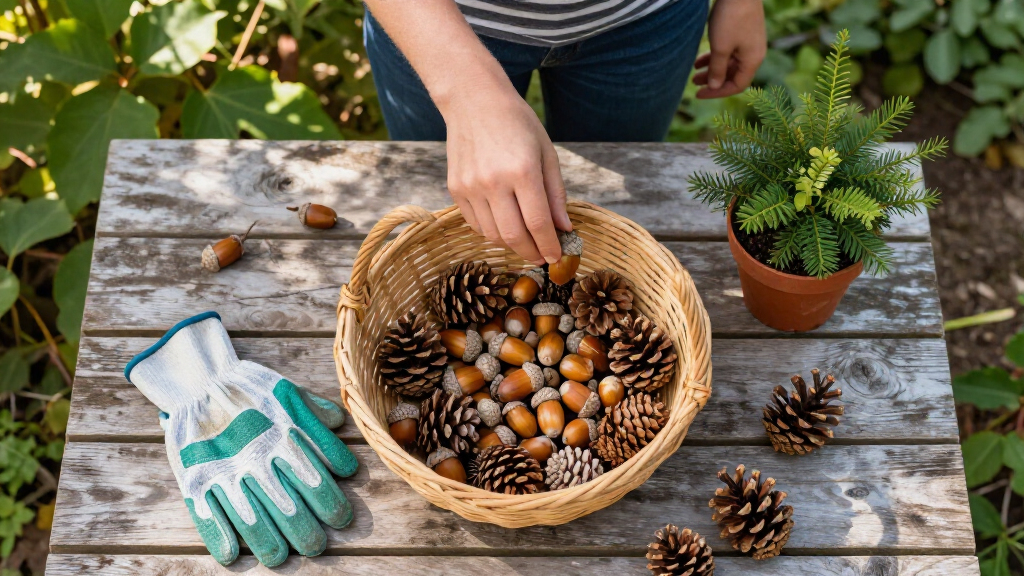
Experts note that acorns and pinecones contain natural oils and nutrients that can enrich soil and support plant growth. For example, some gardeners are using pinecones as natural mulch to retain soil moisture, while acorns are being processed into natural fertilizers or animal feed. However, these practices are still emerging, and formal studies confirming their effectiveness are limited.
Environmental and Practical Benefits of Reuse
This trend could influence sustainable gardening practices by encouraging the reuse of natural garden debris, reducing waste, and promoting eco-friendly alternatives to synthetic mulch and fertilizers. If widely adopted, it may also inspire more community-driven composting and natural resource recycling efforts, benefiting local ecosystems and reducing landfill waste. However, the full environmental impact remains to be studied, and some claims about benefits are anecdotal at this stage.As an affiliate, we earn on qualifying purchases.
Growing Interest in Eco-Friendly Gardening Practices
The interest in repurposing fallen acorns and pinecones appears to be part of a broader movement toward sustainable gardening and waste reduction. While the trend is gaining traction through online communities and social media, it remains largely anecdotal, with no large-scale studies confirming widespread effectiveness. The surge in searches may be linked to increased environmental awareness and a desire to find natural alternatives to chemical fertilizers and mulches, but the exact trigger remains unconfirmed. Historically, gardeners have used natural debris in various ways, but recent online discussions suggest a renewed focus on these materials’ utility.Unconfirmed Motivations Behind the Trend
It is not yet clear what precisely is driving the increased interest—whether environmental concerns, cost savings, or social media influence. The exact origin of the trend remains unverified, and claims about the benefits are mostly anecdotal at this stage.Potential for Formal Research and Broader Adoption
Researchers may begin studying the practical benefits of using fallen acorns and pinecones more systematically. Meanwhile, gardening communities could see wider adoption of these practices if benefits are confirmed, potentially leading to new guidelines or recommendations. Monitoring the trend’s development will clarify whether it becomes a mainstream sustainable practice or remains niche.Key Questions
Are fallen acorns and pinecones safe to use in gardens?
Generally, yes, but caution is advised. Acorns contain tannins that can be toxic to some plants if used excessively. Pinecones are safe as mulch but should be cleaned and broken down first. Consult local gardening experts for specific advice.
Can using acorns and pinecones replace commercial fertilizers?
Current evidence is anecdotal; while these materials can contribute nutrients and improve soil health, they should not be considered complete replacements for commercial fertilizers without further scientific validation.
Is there any risk of pests or diseases from using fallen acorns and pinecones?
Yes, if not properly cleaned or processed, they could harbor pests or mold. Proper handling and composting can mitigate these risks.
How can I start using fallen acorns and pinecones in my garden?
Begin by collecting clean, dry acorns and pinecones. Use them as mulch or process them into compost. Research local guidelines and consider consulting gardening experts for best practices.
Source: rss
NFL season / tailgating Picks
team gear
As an affiliate, we earn on qualifying purchases.