TL;DR
Open a free Amazon Business account
Business pricing, bulk buying and tax-exempt orders.
Create a free accountAs an affiliate, we earn on qualifying purchases.
Gardening experts recommend seven specific tasks for tomato plants in September to optimize harvests before frost. These include pruning, harvesting, and preparing plants for winter. The advice is based on established gardening practices, with some ongoing discussions about late-season pruning and frost protection methods.
Gardeners should focus on seven specific tasks in September to maximize tomato harvests before the first frost, according to horticultural experts. These steps help protect plants, improve fruit quality, and prepare for the upcoming cold season. The advice is grounded in well-established practices, though some methods, such as late-season pruning, are still debated among experts.
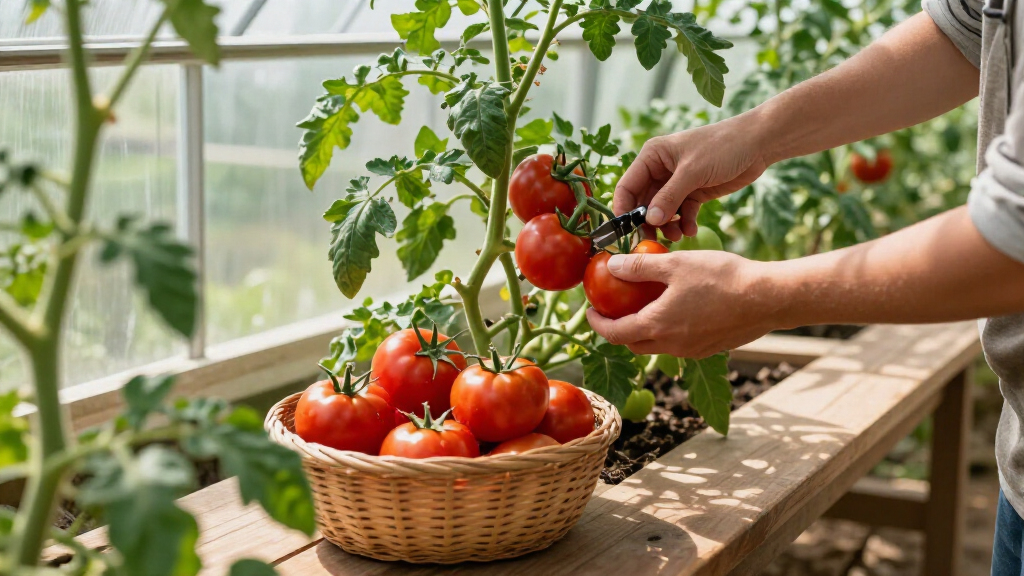
As September advances, tomato plants require targeted care to ensure a fruitful harvest and smooth transition into dormancy. Experts recommend harvesting ripe tomatoes regularly to prevent loss from early frosts and to encourage continued production. Pruning dead or diseased foliage helps improve airflow and reduces disease risk, which is especially important as humidity levels fluctuate with the changing weather. Learn more about plant care in September.
One key task is removing suckers—small shoots that develop between the main stem and branches—to promote better fruit development and prevent overcrowding. Discover how to support your plants in September. Additionally, gardeners should consider mulching around the base of plants to retain soil moisture and regulate temperature, which can help protect roots from cold snaps.
Another critical step is to prepare plants for the first frost by applying frost protection measures such as row covers or moving containers indoors if possible. While some gardeners delay pruning until after harvesting, others advocate for late-season pruning to boost remaining fruit size and plant health. The timing and methods of pruning remain topics of discussion among gardening communities.
Why September Tomato Care Matters for Your Harvest
Properly caring for tomato plants in September can significantly extend the harvest season and improve fruit quality. These tasks help prevent disease, protect against early frosts, and set the stage for healthy plants next season. For home gardeners, this means more flavorful tomatoes and less risk of losing plants prematurely. Understanding these steps ensures gardeners maximize their efforts during this critical month, especially as unpredictable weather patterns increase the importance of proactive measures.tomato plant frost protection row covers
As an affiliate, we earn on qualifying purchases.
As an affiliate, we earn on qualifying purchases.
September Gardening Practices for Tomato Plants
Tomato plants typically reach peak production in mid to late summer, but September offers a crucial window to finish harvesting and prepare for colder weather. Historically, gardeners have used practices like regular harvesting, pruning, and frost protection to extend the growing season. Recent interest in late-season gardening tips has increased as climate variability causes earlier frosts in some regions, prompting gardeners to adopt more proactive measures. While the core advice remains consistent, some techniques, such as late pruning or specific frost barriers, are still debated among experts and enthusiasts.Debates Over Late-Season Pruning and Frost Protection
While most experts agree on basic tasks like harvesting and pruning, the timing and extent of late-season pruning remain debated. Some argue it can improve plant health and fruit size, while others caution it may stress plants or reduce yields if done too late. Additionally, the effectiveness of various frost protection methods can vary depending on regional climate and weather patterns. The best practices may still evolve as more data becomes available and gardeners share experiences.Next Steps for Tomato Growers After September Tasks
After completing these September tasks, gardeners should monitor weather forecasts closely for early frosts and implement frost protection measures as needed. As the season ends, removing dead foliage and cleaning up garden debris will help prevent disease carryover. Planning for next year’s planting—such as selecting resistant varieties and preparing soil—should begin once plants are harvested or removed. Ongoing research and community sharing will continue to refine best practices for late-season tomato care.Key Questions
When should I stop watering my tomato plants in September?
It is generally recommended to reduce watering as the weather cools and the plants slow their growth, typically about two weeks before the first expected frost. This helps prevent overwatering and prepares plants for dormancy.
Can I prune my tomato plants in September?
Yes, pruning dead or diseased foliage is advised, and some gardeners also prune suckers to improve airflow and fruit size. However, the timing and extent of pruning are still debated, and it’s best to avoid heavy pruning if a frost is imminent.
What is the best way to protect tomatoes from early frost?
Using frost covers, row covers, or moving containers indoors are effective methods. Mulching around the base can also insulate roots. Monitoring weather forecasts helps determine the best time to implement these measures.
Should I harvest all my tomatoes before the first frost?
Yes, harvesting ripe tomatoes before frost is crucial to prevent damage. Unripe tomatoes can be picked and ripened indoors if needed.
What should I do with my tomato plants after harvesting?
Remove dead or diseased foliage, clean up garden debris, and consider composting healthy plant material. Planning for next season includes soil preparation and seed or plant selection.
Source: rss
Fall Picks
fall essentials
As an affiliate, we earn on qualifying purchases.