TL;DR
Gardeners are encouraged to apply tomato feed to patio containers this weekend to promote a last flush of flowers and fruit. Experts say it can improve plant health and yield, but official guidance is still emerging.
Gardeners are being advised to apply tomato feed to their patio containers this weekend to encourage a final burst of flowers and fruit. This trend, gaining popularity among gardening enthusiasts, aims to maximize seasonal yields and plant health before the end of the growing period. While official guidance is still emerging, experts suggest that targeted fertilization can significantly boost flowering and fruiting in container-grown plants.
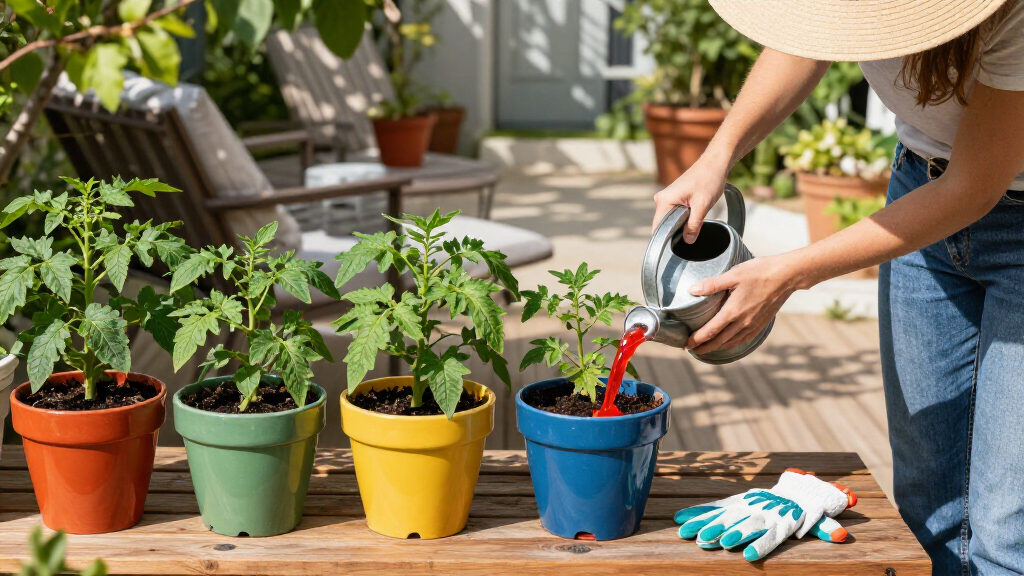
Recent gardening trends indicate that applying tomato feed — a fertilizer rich in potassium and phosphorus — during the late summer or early fall can stimulate plants to produce a last flush of flowers and fruit. This advice comes amid increasing search interest in late-season garden boosting techniques, although specific official recommendations remain unconfirmed. Gardeners are encouraged to apply the feed during the upcoming weekend, ideally when daytime temperatures are still warm and plants are actively growing.
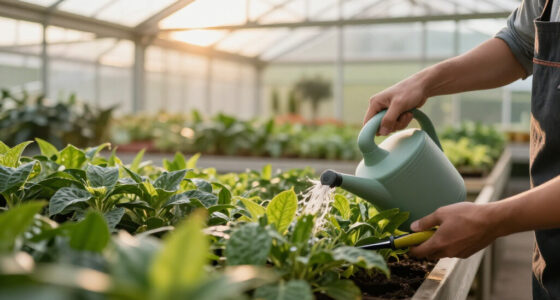
According to horticultural experts, tomato feed can improve plant vitality by supplying essential nutrients that promote flowering and fruit development. The practice is particularly popular among container gardeners, who often face nutrient depletion as the season progresses. The recommended application involves diluting the feed according to package instructions and distributing it evenly over the soil or through watering cans. Gardeners are advised to avoid over-fertilizing, which can lead to excessive foliage growth at the expense of flowers and fruit.
While anecdotal reports suggest positive results, scientific studies specifically confirming this late-season boost are limited. Experts emphasize that proper timing, dosage, and plant condition are critical factors in achieving the desired outcomes. Gardeners are also advised to monitor their plants closely for signs of overfeeding or nutrient imbalance, which can cause stress or disease susceptibility.
Implications of Using Tomato Feed for Late-Season Garden Boosting
This advice, if effective, could help gardeners maximize their patio container productivity before the end of the growing season. It offers a cost-effective, simple method to enhance flowering and fruiting, potentially extending the visual appeal and harvest of container plants. The trend reflects a broader interest in optimizing garden outputs during the limited growing window of late summer and early fall, especially as gardeners seek to get the most from their investments in container gardening.
However, since official guidance remains unconfirmed, gardeners should approach this practice with caution. Proper application can improve plant health and yield, but improper use may cause stress or reduce overall plant vigor. The development of clear, evidence-based recommendations could influence future gardening practices and retail sales of specialized fertilizers.
Tomato feed fertilizer for container plants
As an affiliate, we earn on qualifying purchases.
As an affiliate, we earn on qualifying purchases.
Background on Late-Season Fertilization Practices
Applying fertilizers to promote late-season flowering is a common horticultural practice, especially among container gardeners aiming for a final display of blooms or fruit. Historically, gardeners have used high-potassium fertilizers like tomato feed to stimulate flowering and fruiting in vegetables and ornamental plants. The trend appears to be gaining traction as search interest spikes in late-season garden boosting techniques, although specific guidance from horticultural authorities has not yet been issued.
This surge in interest may be linked to broader gardening trends encouraging gardeners to maximize their outdoor spaces and extend the visual and edible yield of their containers. The practice aligns with conventional understanding that potassium and phosphorus support flowering and fruit development, but the timing and dosage remain subject to debate among gardening experts.
Previous studies have shown that late-season fertilization can improve plant performance, but results vary depending on plant species, environmental conditions, and application methods. As the gardening community explores new ways to optimize container gardening, the use of tomato feed as a booster has become a popular topic online, despite the lack of formal, scientific endorsement.
Unconfirmed Official Recommendations and Scientific Evidence
Official guidance from horticultural authorities on using tomato feed for late-season flowering is currently lacking. While anecdotal reports and search interest suggest a positive trend, scientific studies confirming the effectiveness and safety of this practice are limited. It remains unclear whether this method provides consistent results across different plant varieties and environmental conditions.
Experts caution that improper application could lead to nutrient imbalance or stress, but specific risks and optimal protocols are still being researched. As a result, gardeners are advised to proceed cautiously and monitor their plants closely.
Monitoring Results and Awaiting Formal Guidance
Gardeners planning to try this technique should observe their plants for signs of improved flowering or fruiting over the coming weeks. Researchers and horticultural organizations may conduct further studies to evaluate the practice’s efficacy, and official recommendations could follow based on emerging evidence. Retailers might also begin offering targeted late-season fertilizers tailored for this purpose.
In the meantime, gardening communities and experts will likely share their experiences and tips, helping to refine best practices for late-season container gardening.
Key Questions
Is applying tomato feed safe for all container plants?
While generally safe when used according to instructions, over-fertilizing can stress plants. It’s best to follow recommended dosages and monitor plant responses.
When is the best time to apply tomato feed for a late-season boost?
Most experts suggest applying during warm, active growth periods, typically in late summer or early fall, ideally during a weekend for convenience.
Can I use any tomato fertilizer for this purpose?
It’s recommended to use a balanced tomato feed high in potassium and phosphorus, but always check product labels for suitability and avoid excessive nitrogen, which promotes foliage over flowers.
Will this practice increase my plant’s fruit yield?
While anecdotal reports suggest it can help, scientific confirmation is limited. Results may vary based on plant type and growing conditions.
Are there any risks to applying tomato feed late in the season?
Overfeeding can cause nutrient imbalances or stress, especially if applied excessively. Careful dosage and observation are advised.
Source: rss