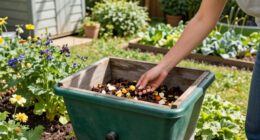
To guarantee your local composting program thrives, community buy-in is essential. When residents understand the environmental benefits and feel a sense of ownership, they’re more likely to participate consistently. Making composting simple and accessible encourages ongoing involvement. Hosting events and recognizing efforts build pride and foster a collective responsibility. Sustaining enthusiasm requires ongoing education and shared accountability. Keep exploring to find out how you can help strengthen community support for composting efforts.

Get garden gear delivered free — and shop member deals
- Fast, free delivery on millions of items
- Access to Prime Big Deal Days deals on October 6–7
- Prime Video, Amazon Music and more included
Key Takeaways
- Community participation ensures sufficient volume and consistency for effective composting operations.
- Resident understanding and support foster ongoing engagement and program sustainability.
- Accessible and convenient composting options encourage regular community involvement.
- Collective pride and ownership motivate continued effort and reinforce environmental commitments.
- Education and outreach build awareness, leading to behavioral changes that support long-term success.
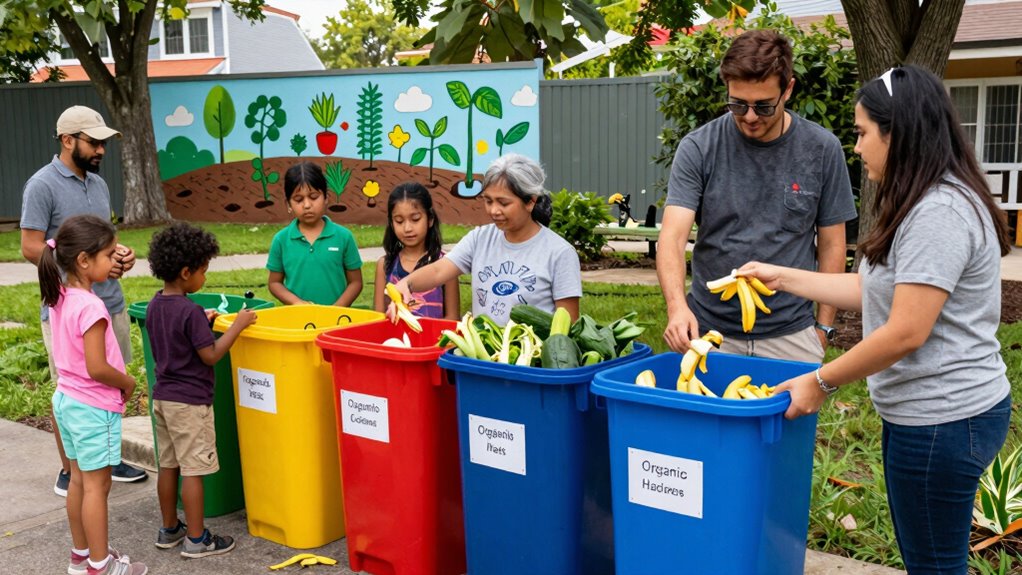
Waste reduction is the core goal of any composting program, but achieving it depends heavily on community buy-in. If residents don’t see the value or don’t understand how composting reduces landfill waste, they’re less likely to participate consistently. Education plays a key role here. When community members are informed about how composting cuts down on landfill overflow, reduces greenhouse gases, and conserves resources, they develop a sense of purpose. This understanding motivates them to change their habits and actively contribute to waste reduction. Additionally, making composting convenient and accessible helps reinforce participation. Providing easy-to-use compost bins, clear instructions, and regular reminders encourages ongoing engagement. When community members feel supported and see tangible benefits, they’re more likely to integrate composting into their daily routines. Creating a sense of community ownership can also motivate residents to take pride in the program and ensure its sustainability over time.
Building community engagement also involves creating a sense of collective responsibility. When local governments, organizations, and residents work together, it fosters a culture of sustainability. Hosting workshops, community events, or neighborhood compost days can boost participation and make composting feel like a shared project rather than an individual chore. Recognizing and celebrating community efforts can further strengthen buy-in, making composting a point of pride within the neighborhood. Promoting biodiversity and sustainable practices within the community can also enhance the overall effectiveness and environmental impact of these programs. Cultivating a sense of community ownership helps ensure long-term commitment and shared accountability for the program’s success. Moreover, emphasizing the importance of educational outreach can help sustain engagement and deepen residents’ understanding of environmental benefits.
As an affiliate, we earn on qualifying purchases.
Frequently Asked Questions
How Can I Start a Composting Program in My Neighborhood?
You can start a composting program in your neighborhood by organizing outreach efforts to inform residents about its benefits. Host composting workshops to teach proper techniques and address concerns. Encourage neighbors to participate by sharing success stories and offering easy-to-follow guides. Building community support through active engagement makes it easier to establish and sustain the program, creating a cleaner, greener neighborhood everyone can enjoy.
What Are Common Challenges Faced by Local Composting Initiatives?
Think of your composting initiative as a delicate plant needing care. Common challenges include securing community engagement, as some neighbors might be hesitant or unaware of benefits. Funding challenges also pose hurdles, making it tough to sustain supplies or outreach efforts. Without active participation and financial support, your program risks wilting. To thrive, you need to foster strong community ties and seek diverse funding sources, ensuring your composting efforts remain lively and impactful.
How Do Composting Programs Impact Local Property Values?
You might notice that composting programs can boost property appreciation and neighborhood appeal. When your community adopts sustainable practices, homes become more attractive to buyers seeking eco-friendly living spaces. This improvement in neighborhood appeal can elevate property values over time. Plus, a clean, green environment creates a positive impression, encouraging others to participate and further enhancing the area’s overall desirability.
What Incentives Motivate Community Participation in Composting?
You’re motivated by incentives like increased recycling awareness and the chance to volunteer, which make composting more appealing. When community members see how composting benefits the environment and reduces waste, they’re more likely to join in. Volunteer engagement fosters a sense of ownership and pride, encouraging ongoing participation. Offering educational workshops, recognition, or small rewards can further motivate locals to actively support and sustain composting initiatives.
How Is Composting Data Used to Improve Programs?
Like a compass guiding a ship, composting data directs program improvements. You track data and use program analytics to identify what’s working and where to improve. This insight helps you tailor outreach, optimize collection routes, and increase participation. By understanding trends and challenges, you can adapt strategies, making your composting efforts more effective. Ultimately, data empowers you to foster a community that values sustainability and reduces waste.
Conclusion
By getting your community on board, you’re not just reducing waste—you’re making a real difference. Did you know that neighborhoods with strong composting programs see up to a 30% decrease in landfill waste? When everyone participates, composting becomes more efficient and impactful. So, take the initiative, spread awareness, and encourage your neighbors to join in. Together, you can turn organic waste into a valuable resource and create a cleaner, greener community.
Fall yard work Picks
leaf blowers
As an affiliate, we earn on qualifying purchases.