A well-designed greenhouse feels easy to operate daily when it combines automation, smart technology, and user-friendly controls. Automation handles routine tasks like watering and ventilation, reducing manual effort. Smart features let you monitor conditions remotely, making adjustments quickly and easily. Clear, ergonomic controls ensure simple operation without hassle. When everything is accessible and intuitive, your daily routines become smoother and less stressful. Keep exploring to discover more ways to facilitate your greenhouse experience.

Get garden gear delivered free with Prime
- Fast, free delivery on millions of items
- Prime Video, Amazon Music and more included
- Member-only deals all year
Key Takeaways
- Implement automation systems to handle routine tasks automatically, reducing manual effort and monitoring.
- Integrate smart technology for remote control and real-time updates, enhancing convenience.
- Design user-friendly controls with clear labels and ergonomic placement for intuitive operation.
- Ensure physical accessibility of doors, vents, and irrigation controls to simplify daily adjustments.
- Apply ergonomic and user-centered design principles to minimize effort and improve overall ease of use.
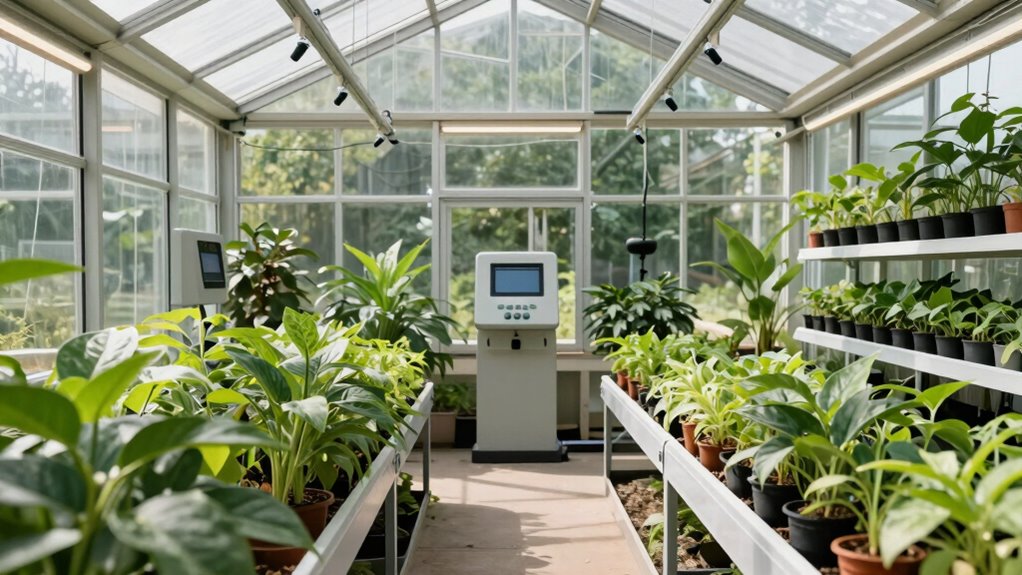
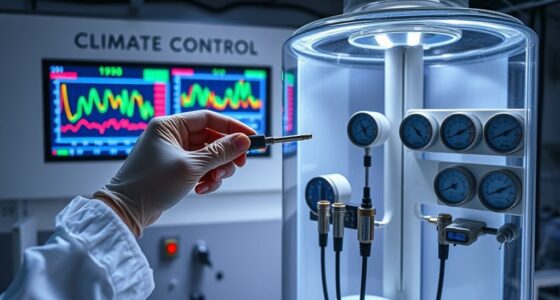
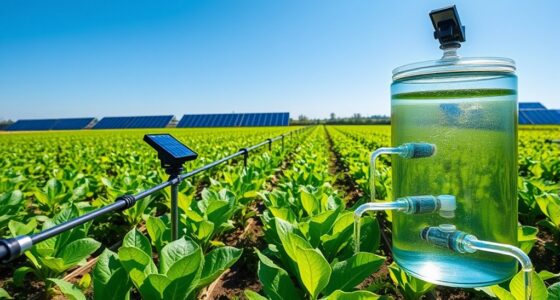
Are you looking for a way to grow plants effortlessly? If so, the key lies in choosing a greenhouse that’s designed with ease of use in mind. A greenhouse that feels simple to operate every day isn’t just about its size or layout; it’s about how well it integrates technology and design to make your gardening routine smooth and enjoyable. One of the most important features to look for is automation systems. These systems handle routine tasks like watering, ventilation, and temperature control automatically, so you don’t have to spend hours adjusting settings or monitoring conditions. With automation, your greenhouse can maintain ideal growing environments around the clock, giving you more time to focus on planting or enjoying your harvest. It removes the guesswork and makes managing your plants straightforward, even if you’re new to greenhouse gardening. Smart technology can further enhance ease of operation by providing remote monitoring and control options, allowing you to manage your greenhouse from anywhere. Additionally, incorporating user-friendly design principles into your greenhouse can make a significant difference in daily operation and maintenance. A well-designed greenhouse can also incorporate accessible controls, which further simplifies daily tasks. Alongside automation, a user friendly design is essential. This means everything inside your greenhouse is accessible and easy to operate. Doors, vents, and irrigation controls should be simple to open, close, and adjust without requiring special tools or technical skills. Clear labeling, ergonomic placement of controls, and intuitive interfaces make a big difference. When you don’t have to struggle with complicated systems or hunt for the right switch, your daily routine becomes much less stressful. A greenhouse with a user friendly design encourages regular maintenance and care because it minimizes frustration and saves time. It also helps you catch issues early, preventing small problems from turning into bigger ones. Incorporating ergonomic design principles can further improve overall ease of use by reducing physical strain during routine tasks. Additionally, selecting a greenhouse with user-centered design features can significantly enhance your gardening experience by making controls more accessible and intuitive.
automatic greenhouse watering system
As an affiliate, we earn on qualifying purchases.
As an affiliate, we earn on qualifying purchases.
Frequently Asked Questions
What Safety Precautions Should I Take When Operating a Greenhouse?
When operating a greenhouse, you should always wear protective gear like gloves and goggles to prevent injuries. Practice pest management by regularly inspecting plants and removing pests promptly. Be cautious during plant pruning to avoid cuts or accidental damage. Keep pathways clear to prevent trips, and guarantee proper ventilation to avoid mold. Regularly check equipment and electrical systems for safety, and follow all manufacturer instructions to create a safe, efficient environment.
How Often Should I Check the Greenhouse’s Climate Controls?
You should check your greenhouse’s climate controls at least twice daily—morning and evening—to maintain ideal conditions. Studies show that consistent climate management improves plant health and reduces pest issues. Regular checks allow you to tweak temperature, humidity, and ventilation as needed. By staying vigilant, you create a stable environment that promotes healthy plant growth and minimizes pest problems, making daily operations smoother and more effective.
Can I Automate Watering and Ventilation Systems Easily?
Yes, you can automate watering and ventilation systems easily. Using smart sensors, you’ll get real-time data on temperature, humidity, and soil moisture, helping you make informed decisions. Automated timers further streamline the process, ensuring watering and ventilation happen on schedule without manual effort. Together, these tools simplify daily operations, reduce your workload, and create ideal conditions for your plants, making greenhouse management much more manageable and efficient.
What Are Common Troubleshooting Tips for Greenhouse Equipment?
Troubleshooting greenhouse equipment is like tuning a fine instrument; regular checks keep everything in harmony. Start by inspecting sensors and controls for calibration errors, and guarantee ventilation fans and watering systems operate smoothly. Watch for signs of plant disease and pests, which can signal equipment issues. Keep filters clean and replace worn parts promptly. Proper maintenance prevents breakdowns, making pest management and plant health management more effective.
How Do I Maintain Optimal Humidity Levels Consistently?
You maintain ideal humidity levels by regularly monitoring humidity control systems and adjusting them as needed. Use a hygrometer to keep track of moisture regulation, ensuring it stays within your perfect range. Ventilate properly to prevent excess humidity, and consider installing misting systems or humidifiers for added control. Consistent checks and adjustments help create a stable environment, making your greenhouse easier to operate daily and promoting healthy plant growth.
Conclusion
Think of your greenhouse as a trusted companion, its doors open wide like welcoming arms. When you streamline your tasks, it’s like planting seeds of confidence that bloom into effortless days. With simple tools and routines, you’ll find harmony—your greenhouse becomes a sanctuary, not a stress. Remember, ease grows when you nurture patience and simplicity, turning daily chores into a dance of growth. In this partnership, every day feels like a gentle sunrise, full of promise.
Fall yard work Picks
leaf blowers
As an affiliate, we earn on qualifying purchases.