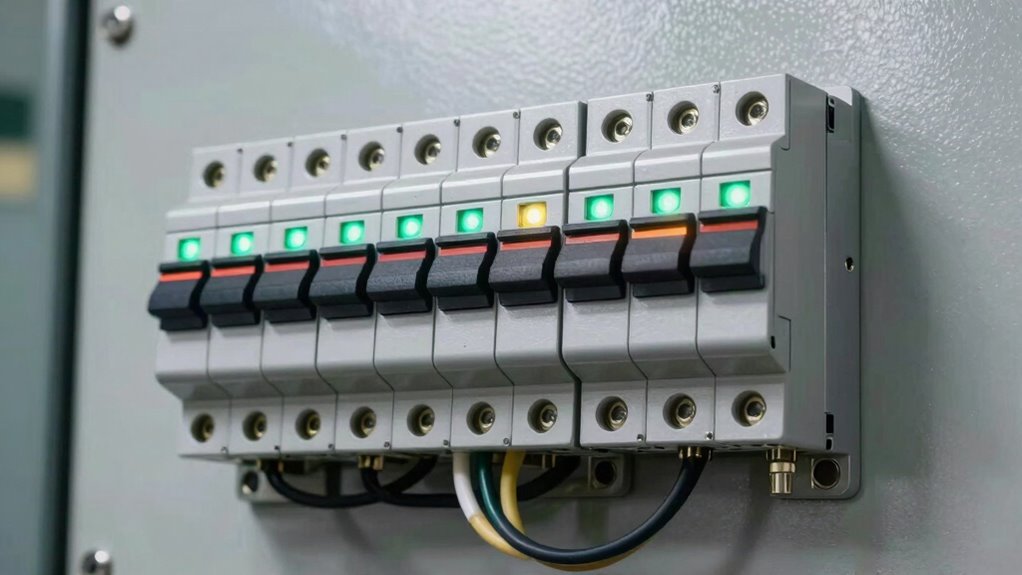

An automatic transfer switch (ATS) detects a power outage and quickly switches your power source from the utility to a backup generator, keeping your electricity running smoothly. It acts as a switch, not a system manager, so it doesn’t regulate or distribute loads. Regular generator maintenance and careful load planning are essential for reliability. If you want to understand how these systems work and their limitations, there’s more to explore below.
Play games included with Prime
Start a Prime free trial and play with Amazon Luna on your devices.
As an affiliate, we earn on qualifying purchases.
Key Takeaways
- ATS detects power loss and automatically switches from main to backup generator during outages.
- It ensures seamless power transfer but does not regulate or distribute electrical loads.
- Proper generator maintenance is essential for ATS reliability and effective switching.
- Load management features, if available, require user input—ATS does not automatically prioritize circuits.
- ATS acts as a switch, not a system manager, so overall backup system performance depends on generator upkeep and planning.
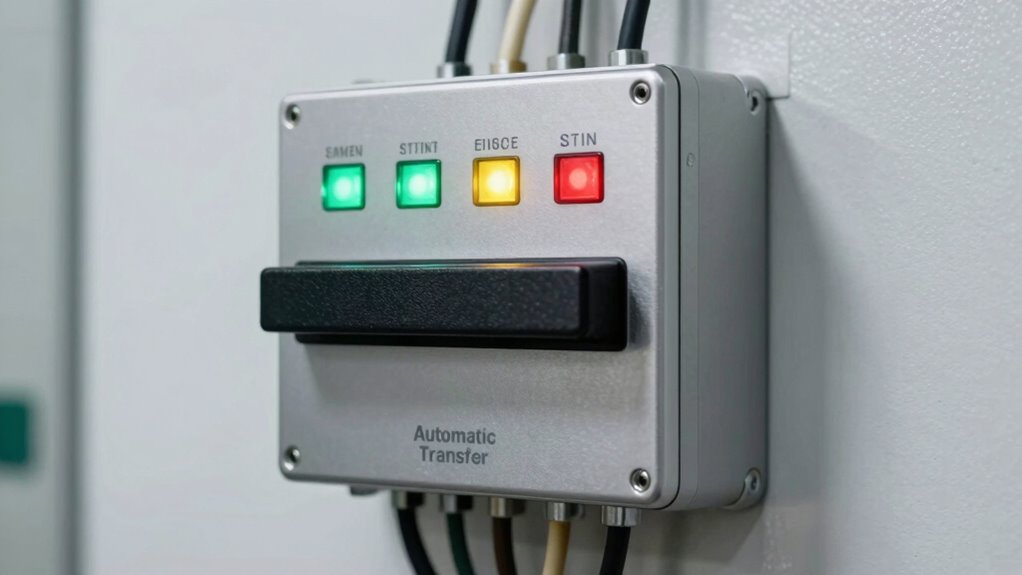
Automatic transfer switches (ATS) are essential devices that automatically switch your power supply from the main source to a backup generator during an outage. When the primary power fails, the ATS detects the loss and swiftly activates your generator, ensuring you don’t experience downtime. This seamless transition is critical for maintaining continuous operations, whether at home, in a business, or on a critical system. However, while an ATS handles the switching process, it’s important to understand what it does—and what it doesn’t do—to keep your system running smoothly.
One key aspect of keeping your backup power system reliable is generator maintenance. An ATS relies on your generator to provide power when needed, so regular maintenance is essential. You’ll want to schedule routine inspections, check fluid levels, replace filters, and test the generator periodically. Proper generator maintenance minimizes the risk of failure during an outage, ensuring the ATS can do its job effectively. Neglecting these tasks can lead to unexpected breakdowns, leaving you vulnerable when you need backup power most.
Regular generator maintenance ensures reliable backup power and optimal ATS performance during outages.
Load management is another critical factor that an ATS can assist with, but it doesn’t handle everything automatically. Your generator has a limited capacity, so managing the load becomes necessary to prevent overloads or damage. Many advanced ATS units include load management features, allowing you to prioritize essential circuits and balance power distribution. By doing so, you ensure that your generator isn’t overwhelmed, and your most critical systems stay operational. Remember, the ATS itself only switches power; it doesn’t regulate or distribute loads on its own. Effective load management requires your input and planning, especially when you’re setting up which appliances or systems should receive backup power during an outage.
While an ATS simplifies the process of switching power sources, it’s not a substitute for proper system planning and maintenance. You need to stay proactive about generator upkeep and carefully consider your load management strategies. An automated switch can ensure continuous power, but only if your generator is ready and your load is appropriately managed. Don’t assume the ATS will handle everything behind the scenes; it acts as the switching point, not the overall system management. Additionally, understanding backup power system components can help you better prepare for outages and ensure your entire setup functions as intended. By understanding these limitations, you can optimize your backup power setup, ensuring reliability when the grid goes down and avoiding unnecessary failures or damage.
automatic transfer switch for generator
As an affiliate, we earn on qualifying purchases.
As an affiliate, we earn on qualifying purchases.
Frequently Asked Questions
How Long Does an Automatic Transfer Switch Typically Last?
An automatic transfer switch typically lasts around 10 to 15 years, depending on maintenance frequency and usage. To guarantee it reaches its expected lifespan, you should perform regular inspections and preventive maintenance, such as testing and cleaning contacts. Proper upkeep can prevent failures and extend its service life, so staying on top of maintenance is key. With good care, your transfer switch can serve reliably well beyond the average expectancy.
Can an ATS Be Used With Renewable Energy Sources?
Yes, an ATS can be used with renewable energy sources, provided it has renewable compatibility and supports energy source integration. You can connect solar panels or wind turbines to an ATS designed for multiple sources. Just verify your switch is compatible with the voltage and power output of your renewable system. This way, you can seamlessly switch between grid power and renewable energy, optimizing your energy use efficiently.
What Certifications Should an ATS Have?
Imagine you’re running a critical data center during a storm. You want your ATS to reliably switch to emergency backup power. Look for certifications like UL 1008 or UL 489 to guarantee safety and quality. These certifications confirm the ATS has surge protection and meets standards for emergency backup systems. They give you peace of mind, knowing your power system is dependable and compliant with safety regulations.
Is Professional Installation Required for an ATS?
You should definitely hire a professional for installing an ATS, especially for commercial compatibility or residential installation. Proper installation guarantees safety, reliable operation, and compliance with electrical codes. A trained electrician understands your system’s requirements and can handle complex wiring. Skipping professional help risks improper setup, potential damage, and safety hazards. Trust a certified expert to install your ATS correctly, giving you peace of mind and a seamless backup power handover.
How Does an ATS Handle Multiple Power Sources?
An ATS handles multiple power sources through advanced switching mechanisms that automatically detect power outages or fluctuations. When a primary source fails, it swiftly switches to a backup, ensuring continuous power supply. The system manages power source management seamlessly, reducing downtime. You don’t need to manually intervene; the ATS’s reliable switching mechanisms take care of everything, providing peace of mind and protecting your equipment from power disruptions.
Conclusion
Think of automatic transfer switches as the vigilant gatekeepers of your power system, silently standing guard when the lights flicker or fail. They don’t just switch; they guarantee your world keeps turning smoothly, like a seasoned conductor guiding an orchestra. While they don’t fix the power issues themselves, their quick response keeps your home running seamlessly. Trust in these silent heroes to shield you from the chaos of power outages—your dependable partners in the dance of electricity.
NFL season / tailgating Picks
team gear
As an affiliate, we earn on qualifying purchases.