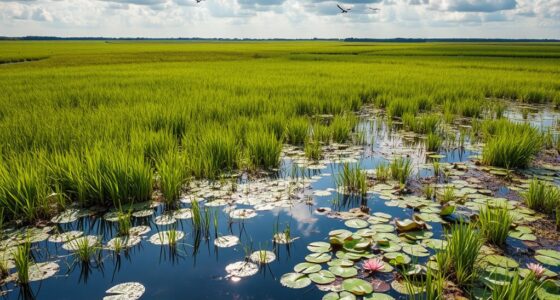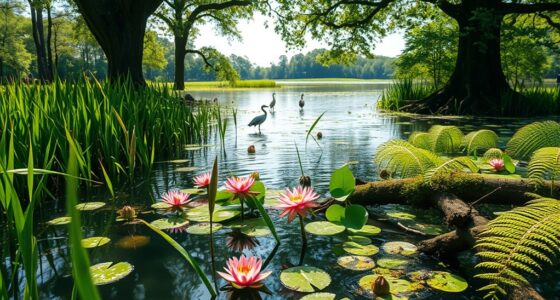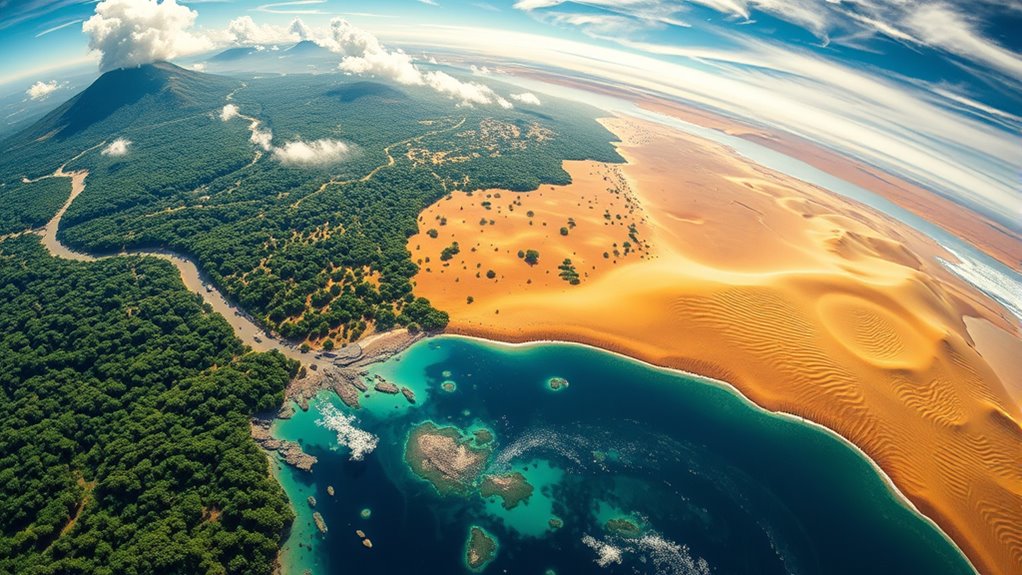

Biomes of the world are vast regions with distinct climates, plant communities, and animals shaped by environmental conditions. You’ll find lush rainforests with tall trees, dry deserts with hardy plants, cold tundras with low-growing flora, and temperate forests that shed leaves seasonally. Each biome’s unique adaptations help plants survive extreme weather and soil conditions, supporting diverse animal life. Exploring these biomes reveals how climate influences ecosystems, and if you look further, you’ll discover the fascinating ways plants and animals thrive in their environments.
Get ready for Prime Big Deal Days — try Prime free
Exclusive member deals on October 6–7, plus fast free delivery. Cancel anytime.
As an affiliate, we earn on qualifying purchases.
Key Takeaways
- Provides an overview of major global biomes, including climate, vegetation, and animal life.
- Describes plant adaptations specific to each biome’s environmental challenges.
- Explains how climate influences flora and fauna diversity across different biomes.
- Highlights unique features and ecological interactions within each biome.
- Serves as a comprehensive reference for understanding biome-specific ecosystems and adaptations.
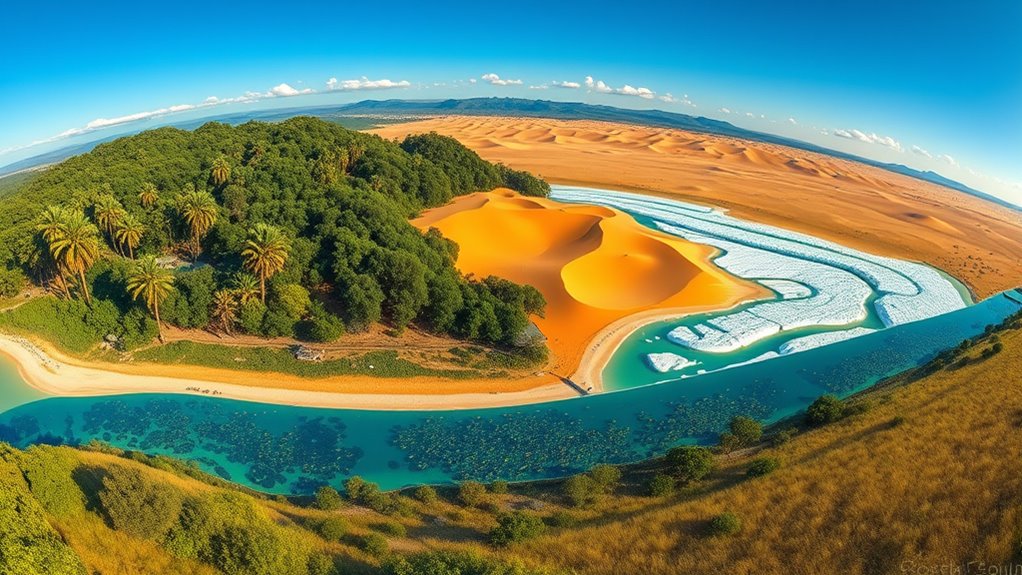
Biomes are large geographic areas characterized by distinct climates, plant communities, and animal life. When exploring different biomes, you quickly realize that climate variations play a critical role in shaping the environment. In some regions, you’ll find consistent warmth and high rainfall, creating lush, vibrant landscapes. In others, extreme temperature fluctuations and limited rainfall lead to stark, hardy ecosystems. These climate differences directly influence the types of flora that thrive there, prompting unique adaptations to survive harsh conditions. For instance, in desert biomes, plants develop thick, waxy coatings and deep root systems to conserve water and access underground moisture. Conversely, in temperate forests, deciduous trees shed their leaves seasonally to withstand cold winters, demonstrating flora adaptations that optimize survival through changing conditions.
Understanding how climate variations affect plant life helps you grasp the resilience and diversity of biomes. In tropical rainforests, the warm temperatures and abundant rainfall support an incredible variety of plants, from towering canopy trees to dense undergrowth. These plants have adapted to compete for sunlight by growing tall or spreading wide, and many have developed drip tips or thick wax coatings to handle heavy rain. In contrast, the tundra‘s cold, dry climate results in low-growing, slow-growing plants like mosses, lichens, and dwarf shrubs. These flora adaptations enable survival in nutrient-poor soils and extreme cold, often by growing close to the ground to avoid wind damage and conserve warmth.
As you move through different biomes, you’ll notice how flora adaptations are tailored to specific climate challenges. In grasslands, grasses have flexible stems and deep roots to withstand droughts and grazing. In biomes with seasonal fires, some plants have fire-resistant seeds or thick bark that protects vital tissues. These adaptations are essential for the plants’ survival and reproduction, ensuring they can persist despite environmental stresses. Recognizing these flora adaptations also helps you understand how animals interact with their habitats, relying on specific plant structures for food, shelter, or breeding sites.
As an affiliate, we earn on qualifying purchases.
Frequently Asked Questions
How Do Biomes Influence Local Climate Patterns?
Biomes influence local climate patterns by shaping microclimate variations within regions. You’ll notice that biome boundary shifts can cause changes in temperature, rainfall, and humidity, affecting local weather conditions. These shifts often result from factors like deforestation or climate change, which alter natural landscapes. As a result, the distinct climate features of each biome can expand, contract, or move, impacting local ecosystems and human activities.
What Are the Threats to Biome Diversity Worldwide?
Imagine your favorite painting fading—threats to biome diversity are just as destructive. You face dangers like habitat destruction, climate change, and pollution, which threaten biodiversity hotspots. Invasive species act as unwelcome brushstrokes, disrupting native ecosystems. If you don’t protect these essential areas, we risk losing countless species, cultural heritage, and ecological balance. Your efforts can help preserve nature’s masterpiece for future generations.
Can Biomes Change Naturally Over Time?
Yes, biomes can change naturally over time. You’ll see this through ecological succession, where one type of ecosystem gradually replaces another, and climate variability, which causes shifts in temperature, rainfall, and other conditions. These natural processes lead to the evolution of biomes, creating new habitats and altering existing ones. So, change is a constant part of a biome’s life cycle, driven by both ecological and climatic factors.
How Do Human Activities Alter Biome Boundaries?
Human activities, like urban expansion and deforestation, markedly alter biome boundaries. When you clear forests for development, you disrupt natural ecosystems, causing boundaries to shift or shrink. Deforestation impacts climate and wildlife, while urban growth replaces natural landscapes with concrete, pushing biomes into new areas or fragmenting them. These changes can lead to loss of biodiversity and altered environmental conditions, fundamentally transforming the natural boundaries of biomes.
Are There Undiscovered Biomes on Earth?
Yes, there are still undiscovered habitats on Earth. You might find hidden ecosystems deep in ocean trenches or within dense rainforests, where unique species thrive in unexplored niches. These undiscovered biomes could contain new plants, animals, and microorganisms, revealing how diverse life truly is. As technology advances, you could help uncover these hidden ecosystems, expanding our understanding of Earth’s complex biomes and their essential roles in the planet’s health.
Conclusion
As you explore the world’s diverse biomes, remember they’re like delicate tapestries woven with life’s subtle threads. By respecting these natural wonders, you help guarantee they continue to thrive and quietly inspire generations to come. Every small effort you make is a gentle ripple in a vast, vibrant ocean of ecosystems. Embrace your role as a cautious guardian, nurturing these hidden treasures, so their quiet beauty can whisper through time for all to cherish.
NFL season / tailgating Picks
team gear
As an affiliate, we earn on qualifying purchases.