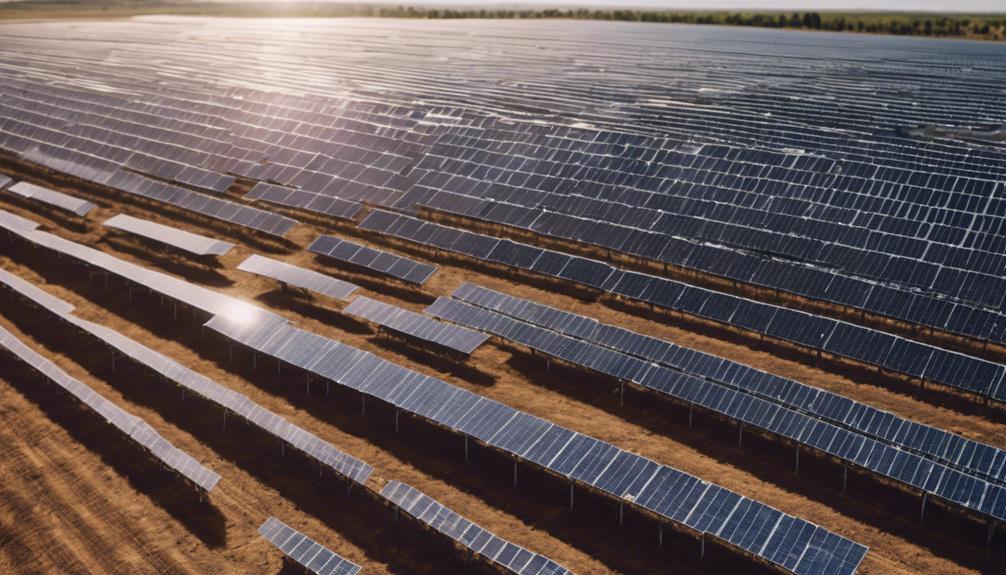

When it comes to solar panels, I've learned that not all are created equal. Monocrystalline, PERC, polycrystalline, and solar thermal panels each have their strengths and weaknesses. Understanding these differences is key to maximizing energy production and savings. For instance, PERC panels offer improved efficiency and more electricity with fewer panels, while solar thermal panels have lower installation costs. By choosing the right panel type, I can generate more energy while reducing space and resources. And that's just the beginning – there's more to uncover about these innovative technologies and how they can benefit my bottom line and the environment.
Listen free for 30 days with Audible
Thousands of audiobooks and originals — cancel anytime.
Start your free trialAs an affiliate, we earn on qualifying purchases.
Key Takeaways
- PERC panels offer improved efficiency, maximizing energy production with fewer panels, and reducing space and resources.
- Monocrystalline panels provide high energy efficiency rates, making them a top choice for maximizing energy production.
- Understanding the differences between solar panel types is crucial for choosing the right panel to maximize efficiency and savings.
- Effective storage solutions, such as thermal storage options, optimize solar thermal panels' performance and maximize energy production.
- Selecting the appropriate panel type, considering factors like efficiency and cost, is vital for maximizing energy production and savings.
As an affiliate, we earn on qualifying purchases.
Solar Panel Types Comparison
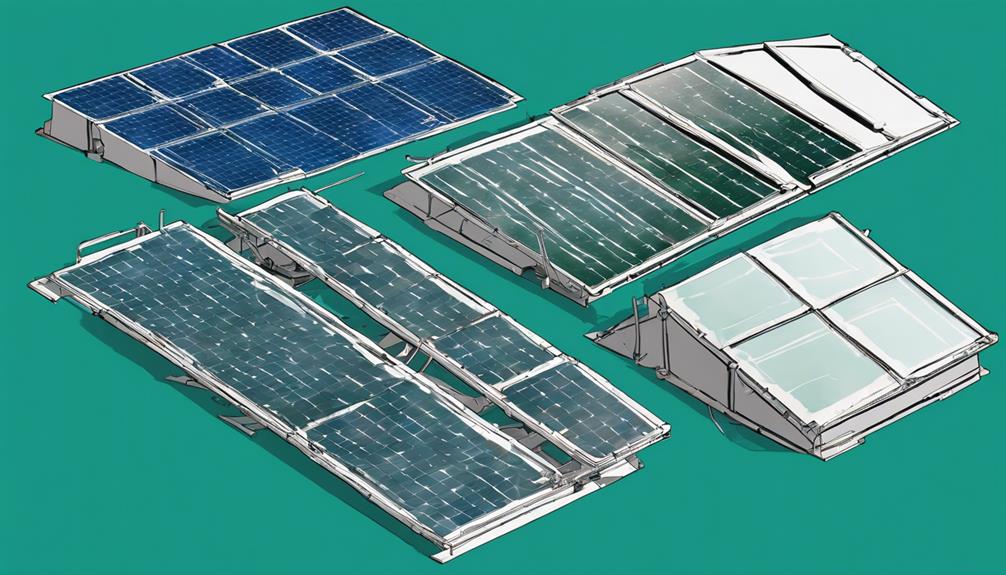
As I explore the world of solar panels, I find that understanding the differences between various types is crucial, and a key distinction lies between monocrystalline, polycrystalline, PERC, and solar thermal panels.
Monocrystalline PV panels stand out for their high energy efficiency and lower manufacturing costs. PERC panels, although slightly pricier, offer a lower cost per watt and can produce more electricity with fewer panels. Solar thermal panels, on the other hand, have lower installation costs, but PV panels are generally more efficient at converting sunlight into usable energy.
It's vital to take these differences into account when choosing the right panel for your needs, as each type has its unique advantages and disadvantages.
Efficiency and Cost Analysis
Digging deeper into the world of solar panels, I'm finding that efficiency and cost are essential factors in determining which type of panel is best for my needs. When it comes to efficiency, monocrystalline panels take the lead with higher efficiency rates due to their uniform crystal structure. On the other hand, polycrystalline panels have lower efficiency rates due to multiple crystals, resulting in more energy loss.
| Panel Type | Efficiency Rate | Manufacturing Cost |
|---|---|---|
| Monocrystalline | 20-22% | Lower |
| Polycrystalline | 15-18% | Higher |
| PERC | 22-24% | Slightly Higher |
| Solar Thermal | N/A | Lower Installation |
Monocrystalline panels are cheaper to produce due to the slicing of thin wafers from a single crystal, whereas polycrystalline panels involve melting and molding silicon fragments, resulting in more material waste. This difference in manufacturing cost ultimately affects the overall cost of the panels.
Advantages of Different Panels
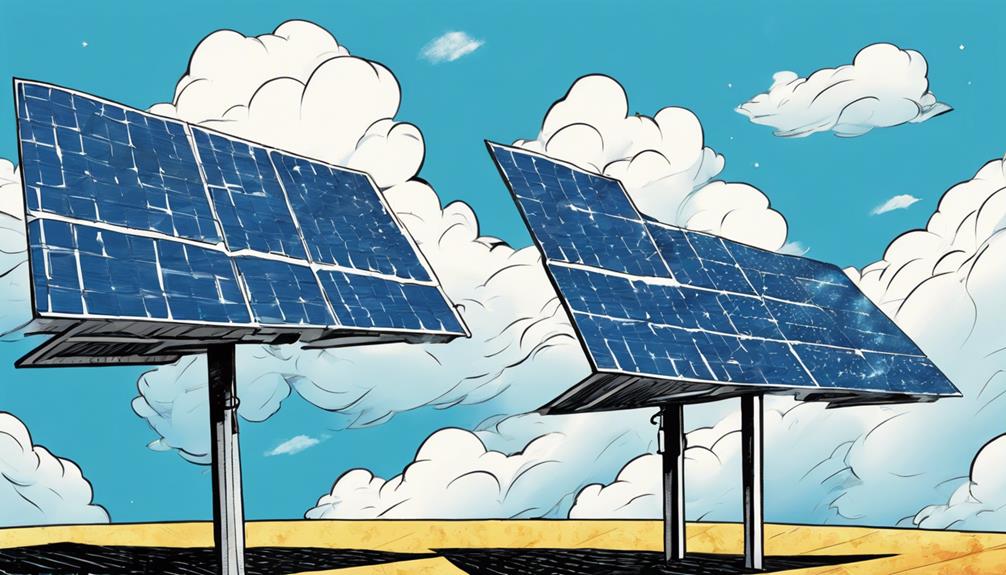
I'm excited to explore the benefits of each panel type, and it's clear that PERC panels stand out with their improved efficiency and ability to maximize energy production in a smaller area.
This means I can generate more electricity with fewer panels, reducing space and resource needs. PERC panels also boast a longer lifespan compared to other PV panels, which translates to fewer replacements and lower maintenance costs.
Plus, they've a lower environmental impact due to less raw material and chemical use. The passive film in PERC panels redirects unabsorbed sunlight back towards the cell, further improving efficiency.
Environmental Benefits and Education

Harnessing solar energy offers a beacon of hope in the fight against climate change, providing a clean and efficient alternative to traditional fossil fuels that reduces air pollution and greenhouse gas emissions.
As someone who's passionate about sustainability, I've seen firsthand how integrating solar energy into education can make a significant impact. By incorporating solar energy into the curriculum, students develop a deeper understanding of sustainable practices and become empowered to make positive changes in their own lives.
Collaborations with communities and industry experts further enhance the learning experience, preparing students for future careers in renewable energy and environmental conservation. By promoting renewable energy awareness, we can build a greener future, one solar panel at a time.
Storage and Curriculum Integration
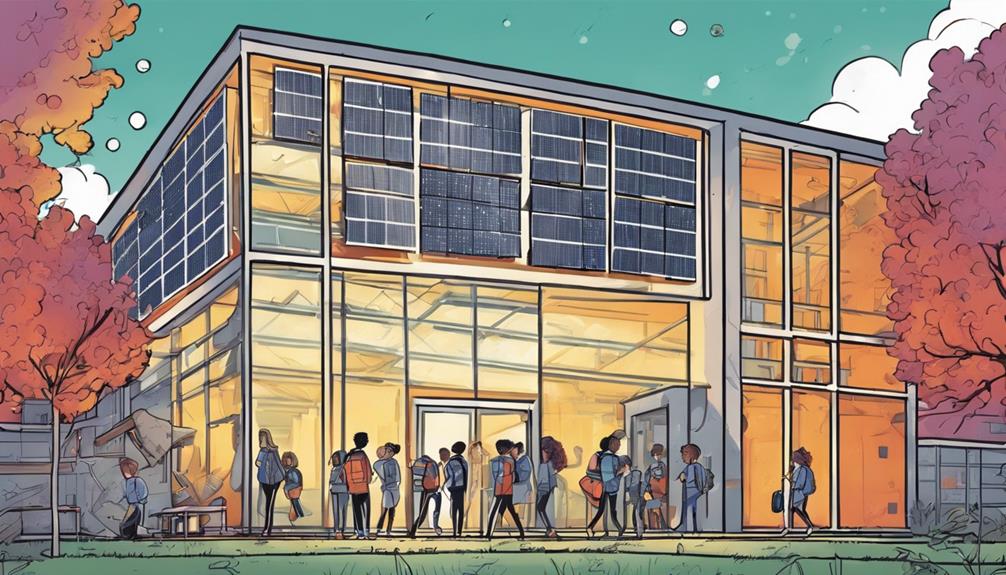
One crucial component of maximizing solar energy's potential is implementing effective storage solutions, which not only optimize the performance of solar thermal panels but also enable the efficient utilization of excess heat for heating or electricity generation.
Thermal storage options, such as insulated tanks and phase-change materials, play an essential role in this process. These solutions allow for the storage of excess heat in a liquid medium, which can then be used when needed.
Maximizing Energy Production
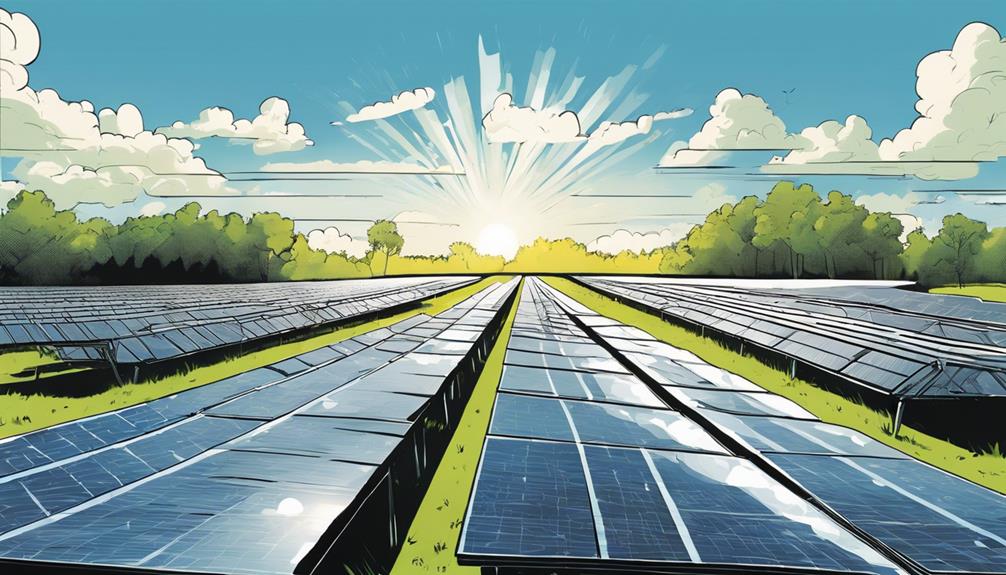
To enhance energy production, selecting the appropriate type of solar panel is vital, as each variation provides unique benefits concerning effectiveness, cost, and environmental impact.
I've discovered that PERC panels excel in their enhanced efficiency and capacity to produce more electricity with fewer panels. This allows me to generate more energy while reducing the space and resources required. The passive film in PERC panels redirects unabsorbed sunlight back towards the cell, further enhancing efficiency.
Monocrystalline panels, conversely, offer higher efficiency rates due to their consistent crystal structure.
Understanding Solar Technologies

As I delve further into the world of solar energy, I'm fascinated by the distinct technologies that enable us to convert sunlight into usable power. Monocrystalline PV panels stand out for their high efficiency rates, thanks to their uniform crystal structure.
Polycrystalline panels, on the other hand, have lower efficiency rates due to multiple crystals, resulting in more energy loss. PERC panels, however, offer improved efficiency and maximize energy production in a smaller area.
Solar thermal panels, which use heat from the sun to generate electricity, have lower installation costs compared to PV panels. Understanding these technologies is essential in determining the best option for our energy needs.
Frequently Asked Questions
How Does Weather Affect the Performance of Solar Panels?
As I explore the world of solar panels, I've realized that weather plays a significant role in their performance. Cloudy and rainy days reduce energy output, while high temperatures can decrease efficiency, but sunny days bring maximum energy production.
Can Solar Panels Be Installed on a Leased Property?
'I've got a YES on installing solar panels on a leased property, but it's essential to get the landlord's consent and clarify ownership, maintenance, and potential relocation or removal of the panels.'
What Is the Average Lifespan of a Solar Panel System?
"I'm happy to share that the average lifespan of a solar panel system is around 25-30 years, with some manufacturers offering warranties up to 40 years, ensuring a long-term return on your investment."
Are Solar Panels Resistant to Extreme Temperatures?
'As I gaze out at the scorching summer sun, I wonder, are solar panels resistant to extreme temperatures? Fortunately, most modern panels are designed to withstand temps up to 149°F (65°C), ensuring peak performance even in the hottest climates.'
Do Solar Panels Require Regular Maintenance?
Yes, I believe solar panels do require regular maintenance to guarantee peak performance. Dust, debris, and environmental factors can reduce efficiency, so periodic cleaning and inspections are necessary to maintain their energy-generating potential.
How Do the Unveiled Solar Panels Maximize Efficiency and Savings in Relation to the Challenges Ahead for Solar Energy?
Unveiled solar panels utilize advanced technology to maximize efficiency and savings, addressing the challenges ahead for solar energy solutions and challenges. By optimizing light absorption and energy conversion, these panels can produce more power and offset energy costs, making solar energy an increasingly viable and cost-effective solution.
Conclusion
As I conclude my journey through the world of solar panels, I feel like a master chef who's finally cracked the recipe for sustainable energy.
With the right mix of panel type, efficiency, and cost analysis, homeowners and businesses can whip up a dish of savings and environmental benefits.
By understanding the intricacies of solar technologies, we can cook up a brighter future, one panel at a time.
Fall Picks
fall essentials
As an affiliate, we earn on qualifying purchases.