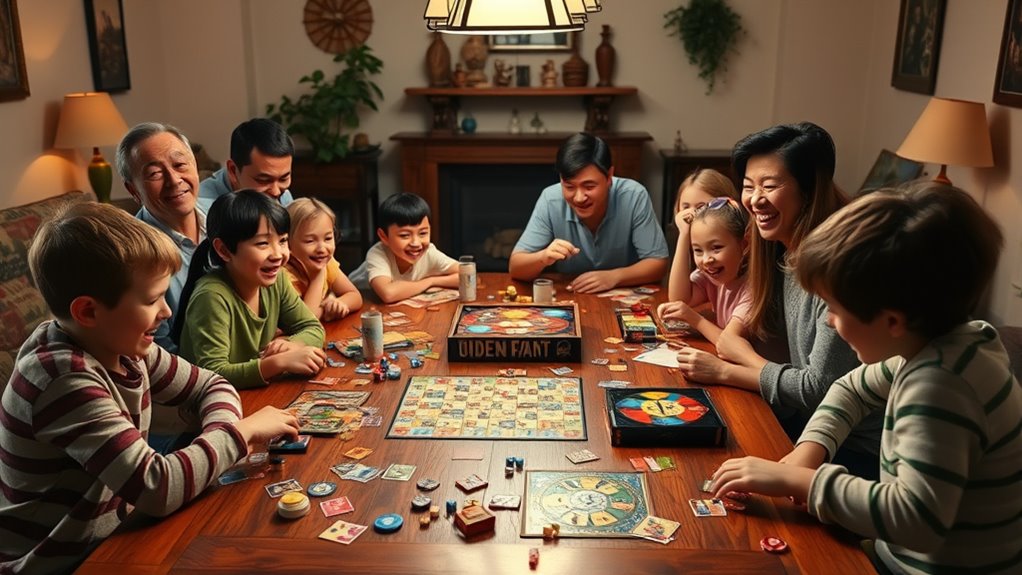

Finding the right board games for family night can be challenging, especially with so many options that cater to different ages and interests. The Sorry! Board Game stands out as a versatile choice for younger kids, while Monopoly remains a timeless game for older children and adults. For quick, light-hearted fun, Taco Cat Goat Cheese Pizza offers fast-paced entertainment. The main tradeoffs involve balancing complexity, age appropriateness, and game length. Keep reading for a detailed breakdown of the best options to suit every family’s needs.
Prime for Young Adults — start your free trial
Fast free delivery, streaming and member deals for eligible 18–24 year olds.
Try it freeAs an affiliate, we earn on qualifying purchases.
Complete the kit


Key Takeaways
- The best games balance accessibility for kids with engaging gameplay for adults.
- Classic games like Monopoly and Scrabble still lead for longevity and replayability.
- Party games such as Taco Cat Goat Cheese Pizza excel for quick, energetic sessions.
- Many top picks emphasize ease of setup and quick teaching, ideal for family evenings.
- Price point varies widely; the most expensive options aren’t always the best for every family.
| Sorry! Board Game for Kids Ages 6 and Up |  | Best Overall for Family Night with Younger Kids | Number of Players: 4 pawns per player | Ages: 6 and up | VIEW ON AMAZON | See Our Full Breakdown | |
| Hasbro Gaming Trouble Board Game for Kids Ages 5 and Up |  | Best for Quick, Casual Family Play | Players: 2-4 | Ages: 5 and up | Features: Pop-o-Matic bubble, Power Up Spaces | VIEW ON AMAZON | See Our Full Breakdown |
| Mattel Games UNO Card Game for Kids, Adults & Families |  | Best for Larger Groups and Travel | Number of Players: 2 to 10 | Ages: 7 and older | Includes: 3 blank Wild Cards | VIEW ON AMAZON | See Our Full Breakdown |
| Hasbro Gaming Yahtzee Game |  | Best for Strategy and Luck Balance | Number of Players: 2 or more | Ages: 8 and up | Game Type: Dice game | VIEW ON AMAZON | See Our Full Breakdown |
| Monopoly Family Board Game for 2-6 Players, Ages 8 and Up |  | Best for Classic Money Management and Longer Play | Number of Players: 2-6 | Ages: 8 and up | Tokens Included: 8 (Top Hat, Rubber Ducky, Scotty, Hazel, Race Car, Penguin, Battleship, Thimble) | VIEW ON AMAZON | See Our Full Breakdown |
| Hasbro Gaming Candy Land Kingdom of Sweet Adventures Board Game for Kids |  | Best for Young Children and Family Introductions | Ages: 3 and up | Players: 2-4 | Includes: Game board, colored cards, game pieces | VIEW ON AMAZON | See Our Full Breakdown |
| Taco Cat Goat Cheese Pizza Card Game |  | Best for Fast, Lively Family Play | Number of Players: 2-8 | Game Duration: 10-15 minutes | Age Range: All ages | VIEW ON AMAZON | See Our Full Breakdown |
| Hasbro Gaming Jenga Game with Digital Die |  | Best for Combining Classic and Modern Fun | Includes: 54 wooden blocks | Ages: 6+ | Players: 1+ | VIEW ON AMAZON | See Our Full Breakdown |
| Crashed Out Card Game – Family Party Game of Memory and Betrayal |  | Best for Social, Strategy, and Quick Play | Game Type: Card Game | Number of Players: 2 or more | Age Range: Suitable for kids and adults | VIEW ON AMAZON | See Our Full Breakdown |
| USAOPOLY The Original TAPPLE Family Board Game |  | Best for Word Game Enthusiasts and Quick Thinkers | Players: 2-8 | Ages: 8 and up | Play Time: 15-20 minutes | VIEW ON AMAZON | See Our Full Breakdown |
| The Game of Life Board Game, Family Game for Kids Ages 8 and Up |  | Best Family Classic for Decision-Making and Strategy | Ages: 8 and up | Players: 2 to 4 | Pegs Colors: 6 | VIEW ON AMAZON | See Our Full Breakdown |
| Hasbro Gaming Scrabble Board Game, Classic Word Game for Kids and Families |  | Best Classic Word Game for All Ages and Social Play | Number of Players: 2-4 | Includes: 100 wooden letter tiles, wooden racks | Game Type: Word game | VIEW ON AMAZON | See Our Full Breakdown |
| board games for family night | Ages | Number of Players |
|---|---|---|
| Sorry! Board Game for Kids Age | 6 and up | 4 pawns per player |
| Hasbro Gaming Trouble Board Ga | 5 and up | — |
| Mattel Games UNO Card Game for | 7 and older | 2 to 10 |
| Hasbro Gaming Yahtzee Game | 8 and up | 2 or more |
| Monopoly Family Board Game for | 8 and up | 2-6 |
| Hasbro Gaming Candy Land Kingd | 3 and up | — |
| Taco Cat Goat Cheese Pizza Car | — | 2-8 |
| Hasbro Gaming Jenga Game with | 6+ | — |
| Crashed Out Card Game | — | 2 or more |
| USAOPOLY The Original TAPPLE F | 8 and up | — |
| The Game of Life Board Game | 8 and up | — |
| Hasbro Gaming Scrabble Board G | — | 2-4 |
More Details on Our Top Picks
Sorry! Board Game for Kids Ages 6 and Up
This classic Sorry! game stands out for its timeless appeal and straightforward gameplay that appeals to both kids and adults. Unlike the more chaotic UNO, Sorry! encourages strategic planning as players race to move all their pawns home while sending opponents back to start, making it ideal for family bonding. Its familiar mechanics are perfect for younger children, but the repetitive nature might tire older players seeking variety. This game shines in mixed-age groups, offering easy-to-understand rules that promote friendly competition.
Pros:- Timeless gameplay with broad age appeal
- Encourages strategic thinking and social interaction
- Easy to set up and play, making it accessible for young kids
Cons:- Repetitive gameplay may bore older or frequent players
- Requires four players for the full experience, limiting solo or smaller groups
Best for: Families with children aged 6 and up who enjoy strategic yet simple games that everyone can learn quickly
Not ideal for: Families seeking highly dynamic or fast-paced games, as Sorry! can feel slow or repetitive over time
- Number of Players:4 pawns per player
- Ages:6 and up
Our verdict“Sorry! is a great choice for families with young children seeking a classic, easy-to-understand game that fosters friendly competition.”
Hasbro Gaming Trouble Board Game for Kids Ages 5 and Up
This Trouble game offers a quick and simple experience, perfect for introducing young children to board gaming. Its iconic Pop-o-Matic bubble makes setup fast and fun, and the optional Power Up Spaces add a layer of challenge not found in simpler games like Sorry!. Compared to UNO, Trouble’s physical dice rolling feels more engaging for young players, but it’s limited to only 2-4 players, which could restrict larger family groups. Its easy rules make it ideal for quick family sessions or as a gift for younger kids.
Pros:- Simple rules ideal for young players
- Fast setup and playtime, great for short family nights
- Iconic Pop-o-Matic bubble adds tactile fun
Cons:- Limited to small groups (2-4 players), restricting larger family play
- Repetitive gameplay may not hold attention for long
Best for: Families with children ages 5 to 7 who want a fast, engaging game that’s easy to learn
Not ideal for: Larger families or groups that prefer longer, more strategic gameplay, as Trouble is quick and straightforward
- Players:2-4
- Ages:5 and up
- Features:Pop-o-Matic bubble, Power Up Spaces
Our verdict“Trouble is a perfect starter game for early elementary children and small families seeking quick, light-hearted fun.”
Mattel Games UNO Card Game for Kids, Adults & Families
UNO’s simple matching mechanics make it a versatile choice for family nights, especially when compared with the more involved Monopoly. Its graphic symbols for color blindness accessibility improve inclusivity, while the 2-10 player capacity makes it flexible for big families or parties. However, UNO’s simplicity can be a drawback for older players or those seeking more complex gameplay, and luck plays a significant role, possibly frustrating more strategic players. Its lightweight cards and portable design make it ideal for travel or casual game sessions.
Pros:- Accessible for players with visual impairments
- Highly flexible with up to 10 players
- Lightweight and portable, perfect for travel
Cons:- May be too simple for experienced or older players
- Heavily reliant on luck, which can reduce strategic depth
Best for: Families with a wide age range, especially those who want a quick, inclusive game that can accommodate many players
Not ideal for: Families looking for deep strategy or longer gaming sessions, as UNO is fast-paced and luck-dependent
- Number of Players:2 to 10
- Ages:7 and older
- Includes:3 blank Wild Cards
- Features:Color blind accessible with graphic symbols
Our verdict“UNO is an excellent choice for large, casual family gatherings or travel, where quick and inclusive gameplay matters most.”
Hasbro Gaming Yahtzee Game
Yahtzee combines dice strategy with an element of luck, making it a flexible game for all ages. Its straightforward rules are easy to learn, and the game’s fast pace keeps players engaged, unlike Monopoly, which often drags on. Compared to Sorry!, Yahtzee emphasizes individual scoring, which may appeal more to competitive families. Its reliance on luck can frustrate players who prefer skill-based games, but this randomness keeps gameplay unpredictable and fun. It’s highly portable, making it ideal for family trips or casual game nights.
Pros:- Suitable for a broad age range, including children and adults
- Encourages both luck and strategic decision-making
- Compact and portable for travel or spontaneous family fun
Cons:- Can become repetitive over multiple rounds
- Heavily luck-based, which may frustrate competitive players
Best for: Families who enjoy quick, strategic dice games that balance luck and skill across mixed ages
Not ideal for: Groups seeking deep strategy or longer, more involved gameplay, as Yahtzee favors chance over planning
- Number of Players:2 or more
- Ages:8 and up
- Game Type:Dice game
- Theme:Strategy, Family
Our verdict“Yahtzee offers a quick, engaging mix of luck and strategy, perfect for families who want fast-paced fun with minimal setup.”
Monopoly Family Board Game for 2-6 Players, Ages 8 and Up
Monopoly remains a staple for family game nights, especially compared with faster-paced games like Trouble or UNO. Its detailed property trading and asset management foster strategic thinking, but the gameplay can extend for hours, which might be a downside for families with limited time. The inclusion of various tokens adds a personal touch, yet the game’s length and complexity could overwhelm younger children or those seeking light entertainment. It’s better suited for families willing to commit to longer sessions and enjoy deeper strategic play.
Pros:- Classic gameplay with broad appeal
- Includes customizable tokens for personalization
- Encourages strategic thinking and financial literacy
Cons:- Long game duration may tire players
- Requires multiple players for full experience, limiting solo or small groups
Best for: Families who enjoy lengthy, strategic games and want to teach kids about money management
Not ideal for: Families preferring quick, casual fun or with younger children under 8, as Monopoly can be slow and complex
- Number of Players:2-6
- Ages:8 and up
- Tokens Included:8 (Top Hat, Rubber Ducky, Scotty, Hazel, Race Car, Penguin, Battleship, Thimble)
Our verdict“Monopoly is best for families ready for a longer, strategic game that offers a traditional family bonding experience.”
Hasbro Gaming Candy Land Kingdom of Sweet Adventures Board Game for Kids
This classic game shines as the ideal starting point for families with very young children, especially those aged 3 and up. Its colorful illustrations and simple race-to-the-castle mechanic make it accessible without reading skills, making it perfect for early learners. Compared with more complex games like USAOPOLY TAPPLE, Candy Land’s simplicity ensures everyone stays engaged without frustration. However, its limited strategic depth makes it less appealing for older kids or adults seeking more challenge. Its straightforward gameplay promotes family bonding, but it may quickly become boring for seasoned gamers.
Pros:- Suitable for children aged 3 and up, fostering early gaming skills
- No reading required, making it accessible for very young players
- Bright, engaging illustrations that capture kids’ attention
Cons:- Limited complexity makes it less engaging for older kids or adults
- Game can feel too simple and repetitive after a few plays
Best for: Families with preschoolers or early-elementary children who need a gentle, easy intro to board gaming
Not ideal for: Parents looking for longer, more strategic games or older children wanting more complexity
- Ages:3 and up
- Players:2-4
- Includes:Game board, colored cards, game pieces
Our verdict“This game is perfect for introducing the youngest family members to board gaming in a fun, colorful way.”
Taco Cat Goat Cheese Pizza Card Game
This game offers quick, energetic rounds that keep everyone on their toes, making it a favorite for family nights when time is limited. Its simple rules and hilarious card interactions make it accessible for players of all ages, competing with Hasbro Gaming Jenga in portability and fun. Unlike Jenga, which favors dexterity, Taco Cat Goat Cheese Pizza emphasizes speed and quick reactions, though the repetitive gameplay might tire players seeking variety. Its short duration and easy setup make it ideal for spontaneous fun, but it doesn’t satisfy those who want longer, more strategic sessions.
Pros:- Easy to learn, with quick rounds that keep energy high
- Portable and compact, great for travel or on-the-go fun
- Suitable for a wide age range, encouraging inclusive play
Cons:- Gameplay may become repetitive over multiple rounds
- Limited game length might leave some players wanting more
Best for: Families needing a quick, lively game suitable for all ages and group sizes
Not ideal for: Players craving deeper strategy or longer gaming sessions
- Number of Players:2-8
- Game Duration:10-15 minutes
- Age Range:All ages
Our verdict“This game is a fantastic choice for lively, fast-paced family fun when time is short.”
Hasbro Gaming Jenga Game with Digital Die
This Jenga set elevates the classic stacking game with a digital die that introduces unpredictable challenges, appealing to families wanting both skill and surprise. Unlike traditional Jenga, which relies solely on steady hands, this version adds an element of randomness, making it more engaging for mixed-age groups. Its durable wooden blocks and multiple ways to play—including solo modes—offer versatility, but the digital die requires a smartphone or web access, potentially limiting play in some settings. The added tech can be distracting for younger children, but it extends the game’s replay value for older players.
Pros:- Digital die adds variety and unpredictability to gameplay
- Suitable for solo play and group challenges
- High-quality, durable wooden blocks for longevity
Cons:- Requires smartphone or web access, which might be inconvenient
- Digital features could distract from the core game experience
Best for: Families who enjoy a familiar game with a modern twist, and have access to smartphones or tablets
Not ideal for: Very young kids or families without digital devices who prefer purely physical games
- Includes:54 wooden blocks
- Ages:6+
- Players:1+
- Additional Features:Digital die with 6+ ways to play
Our verdict“This version of Jenga is great for families wanting a classic game with added digital excitement, provided access to devices is available.”
Crashed Out Card Game – Family Party Game of Memory and Betrayal
This fast-paced card game combines memory, strategy, and deception, making it suitable for mixed ages and family gatherings. Its mechanics resemble those in Uno but add a layer of betrayal that keeps players guessing. Compared to Hasbro Gaming Trouble, Crashed Out offers more strategic options through its special cards, though it remains accessible enough for kids and adults alike. Its reliance on luck and limited complexity may bore seasoned gamers seeking depth, but it excels in social interaction and quick rounds, making it ideal for casual family nights.
Pros:- Engaging, fast-paced gameplay that fosters social interaction
- Encourages memory skills and strategic thinking with special cards
- Portable and easy to set up for travel or gatherings
Cons:- Relies on chance, which can impact competitiveness
- May become too simple or repetitive for experienced gamers
Best for: Families wanting a social game that balances memory, strategy, and fun deception
Not ideal for: Players seeking complex, long-term strategy or highly competitive gaming
- Game Type:Card Game
- Number of Players:2 or more
- Age Range:Suitable for kids and adults
- Gameplay Mechanics:Memory, strategy, deception
Our verdict“This game offers lively, social fun with enough strategy to keep everyone engaged during family game nights.”
USAOPOLY The Original TAPPLE Family Board Game
TAPPLE energizes family game night with its fast-paced, category-based word challenges that test quick thinking and vocabulary. Its portability and simple setup make it ideal for on-the-go fun, standing out from more complex games like Sorry! or Monopoly. Playing against the timer adds pressure, which can be thrilling or frustrating for some players—particularly younger ones or those who prefer more relaxed play. The game’s 36 category cards and Tapple wheel keep the gameplay fresh, but the quick pace might limit strategic depth and could exclude players who prefer longer, more thoughtful sessions.
Pros:- Fast-paced, engaging game that encourages quick thinking
- Portable and easy to store, suitable for various settings
- Broad age range, making it versatile for family groups
Cons:- Game duration may be too short for some players seeking longer fun
- Limited to 8 players, which could restrict larger families
Best for: Families with kids aged 8 and older who enjoy quick, competitive word challenges
Not ideal for: Families looking for slower-paced, more strategic or collaborative games
- Players:2-8
- Ages:8 and up
- Play Time:15-20 minutes
- Includes:Tapple wheel with timer, 36 category cards, rules
Our verdict“This game is perfect for families who enjoy quick, energetic word challenges and want a portable option.”
The Game of Life Board Game, Family Game for Kids Ages 8 and Up
This edition of The Game of Life stands out for its engaging blend of strategy and fun, making it a great choice for families who enjoy making decisions that mirror real life. Unlike Sorry!, which emphasizes luck and simple movement, this game encourages thoughtful planning and risk assessment, which can be more rewarding for older kids and adults. However, it can become repetitive after several rounds, especially if players prefer quick, dynamic gameplay. The colorful pegs add a personalized touch, helping kids stay engaged, but the game’s reliance on multiple players for full enjoyment makes it less ideal for smaller families or solo players. Overall, this game makes sense for families seeking a longer, more strategic experience that fosters decision-making skills while still providing lighthearted entertainment.
Pros:- Encourages strategic decision-making and planning
- Includes colorful pegs for personalization and engagement
- Suitable for family and kids’ game nights with multiple players
Cons:- May feel repetitive after several rounds
- Requires at least two players for full experience, limiting solo or two-player fun
Best for: Families with kids aged 8 and up who enjoy strategy, planning, and life-like decision scenarios
Not ideal for: Small families or game nights with only two players, since it’s less engaging with fewer participants
- Ages:8 and up
- Players:2 to 4
- Pegs Colors:6
Our verdict“This game is best suited for families who want a longer, strategic game night that rewards planning and decision-making.”
Hasbro Gaming Scrabble Board Game, Classic Word Game for Kids and Families
Compared to The Game of Life, Scrabble offers a more relaxed, skill-based experience that emphasizes vocabulary and word-building. Its timeless appeal makes it ideal for families who enjoy educational yet competitive gameplay. The high-quality wooden tiles and racks elevate the experience, and the game’s versatility allows for solo, pair, or team play, which can keep family game nights fresh. However, its reliance on a flat surface and the need for space can be a drawback in smaller or cluttered rooms. Additionally, very young children may struggle with the rules or letter complexity, making it less suitable for the youngest players. Overall, Scrabble makes the most sense for families seeking a versatile, educational game that encourages language skills and strategic thinking.
Pros:- Timeless, engaging word game suitable for all ages
- Includes high-quality wooden tiles and racks for durability
- Offers versatile gameplay options for individuals or teams
Cons:- Requires a flat surface and ample space for setup
- Can be challenging for very young children due to complexity
- Game duration varies based on players’ strategies, which may lead to longer sessions
Best for: Families who enjoy word games, language learning, or want a game that can be played multiple ways
Not ideal for: Families with very young children under age 8 or those with limited space for setup
- Number of Players:2-4
- Includes:100 wooden letter tiles, wooden racks
- Game Type:Word game
- Recommended Age:8 and up
Our verdict“This classic word game is perfect for families wanting to combine learning, strategy, and social interaction during game night.”

How We Picked
I evaluated these games based on several key factors: ease of learning, suitability for mixed-age groups, replay value, and overall durability. I prioritized titles that are simple to set up and quick to teach, ensuring they foster inclusive family fun. Additionally, I considered game mechanics that promote interaction and cooperation versus competitiveness, depending on the intended experience. Finally, I took price and versatility into account, aiming to recommend options that offer good value without sacrificing quality or engagement. The ranking reflects a balance of these factors, with a bias toward games that best support varied family dynamics and ages.Factors to Consider When Choosing Board Games For Family Night
Choosing the right board game for family night involves more than just picking the most popular title. Consider your family’s age range, the types of gameplay your group enjoys, and how much setup time you’re willing to tolerate. A good game should foster interaction, be accessible to all players, and provide enough replay value to justify the investment. Keep in mind that some games are better suited for quick sessions, while others become staples for long, multi-round play. The following factors will help you narrow down your options.Age Appropriateness and Complexity
Matching the game’s recommended age with your family members’ ages ensures everyone can participate without frustration. Simpler games like Sorry! or Taco Cat work well for young children, while more strategic games like Scrabble or Life appeal to older kids and adults. Avoid overly complex or lengthy games if your family prefers quick, casual fun, but consider more involved options if your group enjoys deeper strategy or longer play sessions.
Game Length and Replayability
Consider how much time you typically want to spend on family game night. Fast-paced games like Trouble or Uno are great for quick sessions, whereas classics like Monopoly or The Game of Life are better suited for longer, more involved evenings. Look for games with high replay value—those that stay interesting after multiple plays—so your family can enjoy them over many nights without boredom.
Number of Players
Some games perform better with larger groups, while others are more intimate. For example, Jenga and Yahtzee work well with fewer players, whereas Monopoly and Sorry! accommodate larger families comfortably. Make sure the game you choose can handle your typical family size, or consider options that are flexible enough to be enjoyed with various group sizes.
Ease of Setup and Teaching
A game that’s quick to learn and easy to set up encourages spontaneous game nights and reduces frustration. Titles like Uno and Taco Cat excel here, making them perfect for busy evenings. Avoid overly complicated games if your family prefers to jump right into the fun without lengthy instructions or setup time, but don’t shy away from more detailed games if your group enjoys investing time in gameplay.
Theme and Player Engagement
Thematic games, such as Candy Land or Sorry!, tend to hold children’s interest better, while competitive or strategy games like Scrabble or Clue appeal to older players. Consider what themes resonate with your family’s interests and whether your group prefers cooperative, competitive, or party-style gameplay. A game that matches your family’s personality will be played more often and enjoyed more deeply.
Frequently Asked Questions
What’s the best game for a mixed-age family?
For a family with a wide age range, games like Sorry! or Uno tend to be the most inclusive because they are simple enough for young children but still engaging for adults. These games also have quick setup times, making them ideal for spontaneous family nights. If your family enjoys longer sessions, consider classics like The Game of Life or Monopoly, which offer more depth while remaining accessible.
Are there good options for quick, no-prep family games?
Absolutely. Fast-paced games like Taco Cat Goat Cheese Pizza and Jenga require minimal instructions and setup, making them perfect for short sessions. These games typically last around 10-15 minutes, ideal when time is limited or when you want a quick burst of fun. They also tend to be highly replayable, providing instant entertainment without any waiting or complicated rules.
Should I prioritize classic games or try newer options?
Both have their merits. Classic games like Scrabble and Monopoly are proven to be durable and offer decades of entertainment, often becoming family traditions. On the other hand, newer games like Crashed Out or TAPPLE can introduce fresh mechanics and themes that appeal to modern tastes. Consider mixing both types to keep family game night varied and exciting.
How much should I expect to spend on a good family game?
Prices vary from around $10 for simple card games to $40 or more for more involved or larger games. Generally, spending a bit more can get you higher-quality components and better replay value. However, many budget-friendly options still offer excellent fun, especially for casual family nights. Focus on the game’s suitability and durability rather than just the price tag.
Are cooperative games better for family bonding?
Cooperative games like Crashed Out or Pandemic can foster teamwork and communication, making them great for building family bonds. They shift the focus from competition to collaboration, which can reduce frustration and encourage shared success. However, if your family enjoys a little healthy rivalry, competitive games might be more engaging, so choose based on your group’s personalities and preferences.
Conclusion
For families seeking a reliable, all-around choice, Sorry! offers a great mix of simplicity and fun for kids and adults alike, making it the best overall pick. If you’re on a budget or want quick, easy entertainment, Uno or Taco Cat are excellent value options. For those who love classic strategy, Scrabble or Monopoly remain timeless staples. Beginners or casual players should lean toward games with straightforward rules, while families looking for more engaging, longer sessions might favor deeper games like The Game of Life. Choose based on your family’s age range, interests, and how much time you want to spend each night.
NFL season / tailgating Picks
team gear
As an affiliate, we earn on qualifying purchases.