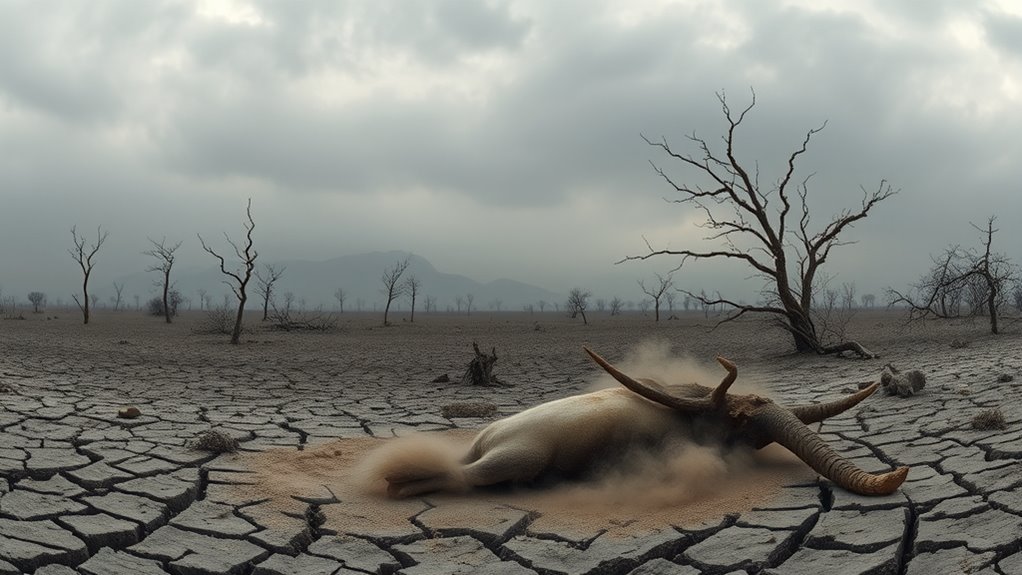

Yes, you are losing species faster than ever due to human activities like habitat destruction, pollution, overfishing, and urbanization. This rapid loss is part of the ongoing sixth mass extinction, threatening countless plants and animals worldwide. Ecosystems are being disrupted, and many species may disappear before we’ve even discovered them. To understand how these changes impact both nature and human life, keep exploring what can be done to stop this alarming trend.

Get garden gear delivered free with Prime
- Fast, free delivery on millions of items
- Prime Video, Amazon Music and more included
- Member-only deals all year
Key Takeaways
- Current extinction rates are estimated to be 100 to 1,000 times higher than natural background rates.
- Human activities like habitat destruction and overfishing accelerate species loss significantly.
- The rapid decline in biodiversity indicates that species are disappearing faster than in previous extinction events.
- Many species go extinct before they are even discovered, worsening the apparent speed of loss.
- Urgent conservation efforts are necessary to slow down the unprecedented rate of species extinction.

The Earth’s sixth mass extinction is underway, driven primarily by human activities that threaten countless species with disappearance. This crisis isn’t just about losing individual animals or plants; it’s about a rapid decline in global biodiversity that impacts entire ecosystems. As habitats are destroyed to make way for agriculture, cities, and infrastructure, the delicate balance that sustains life on Earth begins to unravel. You might not see it every day, but the pace of biodiversity loss has accelerated dramatically in recent decades. Forests are being cut down at alarming rates, wetlands drained, and oceans overfished, all contributing to the shrinking number of species that can survive these hostile environments.
Habitat destruction is the primary driver behind this rapid decline. When natural landscapes are cleared or polluted, countless species lose their homes and food sources. Without suitable habitats, many animals and plants can’t reproduce or find shelter, leading to steep population drops. For example, when rainforests are converted into farmland, the countless species that depend on those forests—birds, insects, mammals—face extinction. This destruction doesn’t just affect individual species; it disrupts entire food webs and ecosystem functions, making the environment less resilient to other threats like climate change or disease. You might think that habitat destruction only affects remote areas, but it’s happening everywhere—urban expansion, deforestation, mining—all these activities threaten the very fabric of life that sustains us. The loss of biodiversity also diminishes the potential for discovering new medicines and resources that could benefit humanity in the future.
The loss of biodiversity isn’t just a tragedy for nature; it has direct consequences for human well-being. Ecosystems provide essential services such as clean water, pollination of crops, and climate regulation. When species vanish, these services become less reliable, jeopardizing food security and health. For instance, the decline of pollinators like bees directly impacts agriculture, which could lead to food shortages. Furthermore, many species remain undiscovered, so the true extent of biodiversity loss could be far worse than what we currently understand. The faster we push species toward extinction, the harder it becomes for nature to recover and adapt.
You have the power to influence this trajectory. Protecting habitats, reducing pollution, and supporting conservation efforts can slow down the rate at which species are lost. Recognizing the importance of biodiversity and understanding how human actions contribute to habitat destruction is vital. Every decision you make—whether it’s supporting sustainable products or advocating for protected areas—can help preserve the rich tapestry of life on Earth. The clock is ticking, but your actions can make a difference in preventing the worst outcomes of this ongoing mass extinction. Taking steps to conserve natural habitats can significantly contribute to slowing this alarming trend.
wildlife conservation binoculars
As an affiliate, we earn on qualifying purchases.
As an affiliate, we earn on qualifying purchases.
Frequently Asked Questions
How Do Scientists Estimate Past Extinction Rates?
When you ask how scientists estimate past extinction rates, they rely on the fossil record and extinction modeling. The fossil record provides clues about when species appeared and disappeared, helping scientists track trends over time. Extinction modeling uses mathematical tools to interpret this data, accounting for gaps and biases. Together, these methods allow you to understand how extinction rates have changed throughout Earth’s history, offering insight into current biodiversity loss.
What Are the Primary Drivers of Current Species Loss?
You might think species loss is natural, but it’s actually driven by human actions. Habitat destruction, caused by deforestation and urbanization, destroys ecosystems faster than they can adapt. Invasive species, introduced accidentally or intentionally, outcompete native ones, causing rapid declines. These drivers are accelerating extinction rates, pushing many species toward extinction at alarming speeds. Your choices and actions directly influence whether we preserve biodiversity or face catastrophic losses.
How Does Climate Change Accelerate Extinction Rates?
Climate impacts considerably accelerate extinction rates by disrupting habitats and food sources. You might notice rising temperatures, changing rainfall patterns, and more frequent extreme weather events, all of which threaten species’ survival. These environmental shifts force animals and plants to adapt quickly or face extinction. As climate impacts intensify, extinction acceleration increases, making it harder for many species to survive and thrive in their natural environments.
Can Extinct Species Ever Be Revived Through De-Extinction?
You might wonder if extinct species can be revived through genetic resurrection. While scientists are exploring de-extinction techniques, ethical considerations play a big role in these efforts. You should know that de-extinction involves complex genetic editing and cloning, but it’s not a guaranteed solution. There are concerns about ecological impacts, resource allocation, and unintended consequences, making it a controversial and carefully debated topic in conservation biology.
What Actions Can Individuals Take to Help Prevent Mass Extinctions?
You can make a difference by practicing individual conservation and making sustainable choices daily. Reduce your carbon footprint by using public transport, conserving energy, and supporting eco-friendly products. Advocate for wildlife protection and educate others about the importance of biodiversity. Supporting conservation organizations and participating in local environmental initiatives also helps. Small actions add up, helping to prevent mass extinctions and preserve our planet’s incredible diversity for future generations.
Conclusion
You might not realize it, but we’re losing species at an unprecedented rate—up to 1,000 times faster than natural background levels. This means that every day, countless plants and animals vanish forever. If we don’t act now, future generations could face a world drastically different from ours. The clock is ticking, and understanding the gravity of this crisis is your first step toward making a difference. Together, we can help turn the tide.
Fall yard work Picks
leaf blowers
As an affiliate, we earn on qualifying purchases.