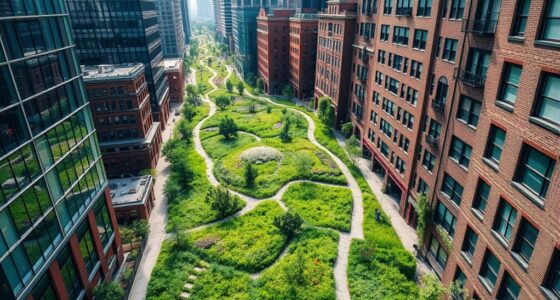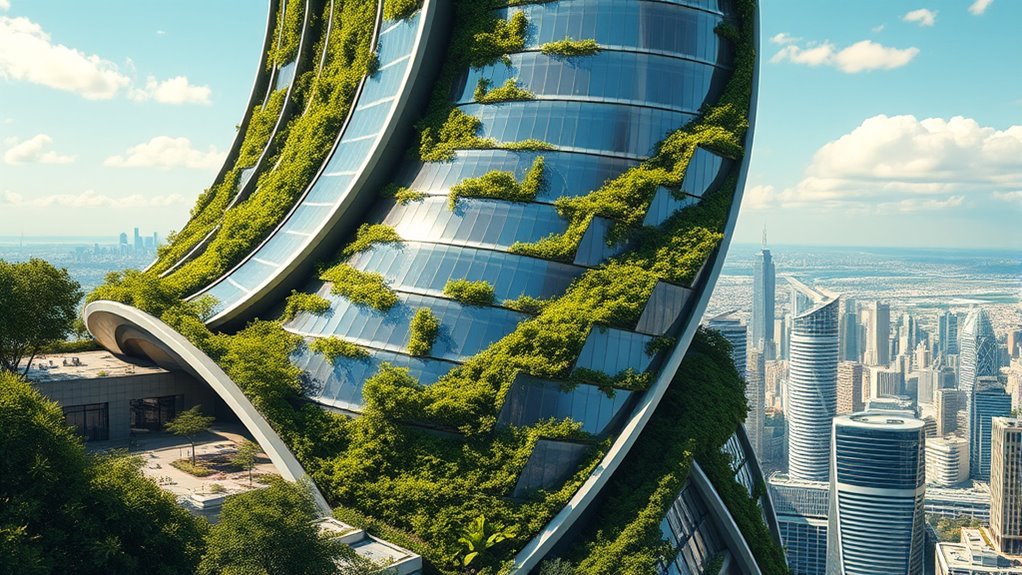

AI-powered architecture helps you design smarter, greener buildings by analyzing vast data to identify eco-friendly materials, optimize their placement, and develop adaptive structures that respond to environmental and occupancy changes. It enables you to create resilient, energy-efficient designs that reduce waste and resource use, all while enhancing occupant comfort. Embracing these innovations can transform your projects into sustainable, future-ready spaces—keep exploring to uncover more ways AI can revolutionize your designs.

Get garden gear delivered free with Prime
- Fast, free delivery on millions of items
- Prime Video, Amazon Music and more included
- Member-only deals all year
Key Takeaways
- AI analyzes datasets to identify eco-friendly, durable, and energy-efficient building materials, promoting sustainable construction.
- Adaptive AI-driven designs create structures that respond to environmental changes and occupancy patterns for optimal efficiency.
- Machine learning predicts long-term material performance, aiding resilient and environmentally conscious material selection.
- AI enhances building performance through smart systems that automatically adjust lighting, heating, and ventilation for energy savings.
- Innovative AI applications enable the development of flexible, eco-friendly architectures supporting a sustainable future.

Have you ever wondered how artificial intelligence is transforming the way we design and build structures? AI is revolutionizing architecture by enabling smarter, greener buildings that are more efficient and environmentally friendly. One of the key ways this happens is through the integration of sustainable materials. AI algorithms analyze vast amounts of data to identify eco-friendly options that might have been overlooked before. They consider factors like durability, energy efficiency, and environmental impact, helping architects select materials that minimize carbon footprints and promote sustainability. This means you can design structures that not only look good but also actively contribute to reducing waste and conserving resources.
Another significant aspect of AI-powered architecture is adaptive design. Traditional building design often involves static plans that don’t account for changing conditions or future needs. With AI, you can develop adaptable structures that respond dynamically to environmental shifts, occupancy patterns, or energy demands. For example, smart systems can automatically adjust lighting, heating, or ventilation based on real-time data, optimizing comfort while reducing energy consumption. This adaptability ensures your building remains efficient over its lifespan, saving money and reducing environmental impact. AI-driven tools also enable you to simulate how a structure will perform under various scenarios, so you can make informed decisions early in the design process.
Using AI also streamlines the integration of sustainable materials into your projects. By leveraging machine learning models, you can predict how different materials will behave over time, helping you choose options that are resilient and environmentally sound. This proactive approach reduces the risk of future maintenance issues and waste. additionally, AI can assist in optimizing the placement and configuration of these materials within your design, ensuring that every element contributes to the building’s overall sustainability.
Incorporating AI into architecture isn’t just about smarter design; it’s about creating a future where buildings are more harmonious with their environment. By harnessing the power of AI, you can develop designs that are flexible, resilient, and eco-conscious. You’ll have the tools to choose sustainable materials intelligently and create adaptive spaces that respond to the needs of their occupants and environment. This shift towards AI-powered architecture not only pushes the boundaries of innovation but also paves the way for a greener, more sustainable built environment for generations to come.
As an affiliate, we earn on qualifying purchases.
Frequently Asked Questions
How Does AI Impact Traditional Architectural Design Processes?
You see, AI impacts the traditional design process by streamlining tasks and enhancing efficiency. It allows you to analyze data quickly, leading to smarter decisions. AI also fosters creative collaboration, providing new tools for visualizing ideas and optimizing designs. This integration helps you explore innovative concepts faster and more accurately, ultimately transforming how you approach architecture, making your workflow more dynamic and responsive to sustainable and innovative solutions.
What Are the Cost Implications of AI Integration in Architecture?
Imagine you’re planning a new green building. AI integration requires an initial investment, but it can reduce long-term costs through efficient resource management. You’ll need to do a thorough cost analysis and adjust your budget planning to include AI tools. While upfront expenses might seem high, the savings on energy, maintenance, and design optimization often outweigh initial costs, making AI a smart investment for sustainable architecture.
How Do AI Systems Ensure Privacy and Data Security?
You might wonder how AI systems keep your data safe. They use data encryption to protect information from unauthorized access and implement strict user authentication protocols to verify identities. These measures guarantee that sensitive data remains secure and private. By continuously updating security practices, AI systems safeguard your information, giving you peace of mind while benefiting from smarter, greener building designs.
Can AI Help Retrofit Existing Buildings for Energy Efficiency?
You might think retrofitting buildings is complicated, but AI proves it’s possible. AI analyzes data to identify inefficiencies and recommend smart material selection, improving energy use. It also considers occupant comfort, ensuring upgrades don’t compromise living quality. By continuously monitoring and adjusting systems, AI helps retrofit existing buildings effectively, making them smarter and greener without extensive reconstruction. This approach transforms older structures into energy-efficient spaces that prioritize both performance and comfort.
What Are the Limitations of Current AI Technologies in Architecture?
You should know that current AI technologies in architecture face limitations like algorithmic biases and data quality issues. These biases can skew design recommendations, while poor data quality hampers accuracy and reliability. As a result, AI may not always produce ideal solutions, especially when data is incomplete or biased. You need to be cautious and supplement AI insights with human expertise to guarantee effective, ethical, and sustainable architectural outcomes.
Conclusion
As you embrace AI-powered architecture, you’re gently opening the door to a future where buildings subtly nurture both the environment and its inhabitants. These smarter designs aren’t just about innovation—they’re about creating spaces that softly harmonize with nature’s rhythm. By harnessing this technology, you’re helping craft a world where sustainability becomes a natural part of everyday life, guiding us toward a future where progress and green living walk hand in hand, quietly shaping a better tomorrow.
Fall yard work Picks
leaf blowers
As an affiliate, we earn on qualifying purchases.