
If you’re looking for the best 4K60 streaming capture cards, I suggest checking out options like Elgato’s external units and AVerMedia’s high-performance models. They support 4K HDR pass-through, ultra-low latency, and broad device compatibility, making professional streaming easier. Many are plug-and-play, perfect for gamers and content creators alike. To find the ideal fit for your setup, I’ll guide you through the top picks and key features that matter most.
Key Takeaways
- Supports 4K60 HDR pass-through and high frame rates up to 240fps for ultra-smooth gameplay.
- Compatible with multiple devices including consoles, PC, Mac, and smartphones for versatile streaming.
- Offers plug-and-play external options and internal PCIe cards for easy setup and high performance.
- Ensures ultra-low latency and professional-quality streaming with broad platform support like OBS and Twitch.
- Features high-resolution inputs, real-time recording, and high-fidelity visuals suitable for serious gamers and creators.

Elgato 4K S – External Capture Card for PS5, Xbox Series X/S, Switch 2, PC, Mac, iPad | 4K60, 1440p120, or 1080p240 Passthrough and Capture, HDR10, VRR, USB-C, Near-Zero Latency
4K60 Capture: Record in cinematic quality with crisp detail and vivid colors
As an affiliate, we earn on qualifying purchases.
Elgato 4K S External Capture Card for PS5, Xbox Series X/S, Switch 2, PC, Mac, iPad
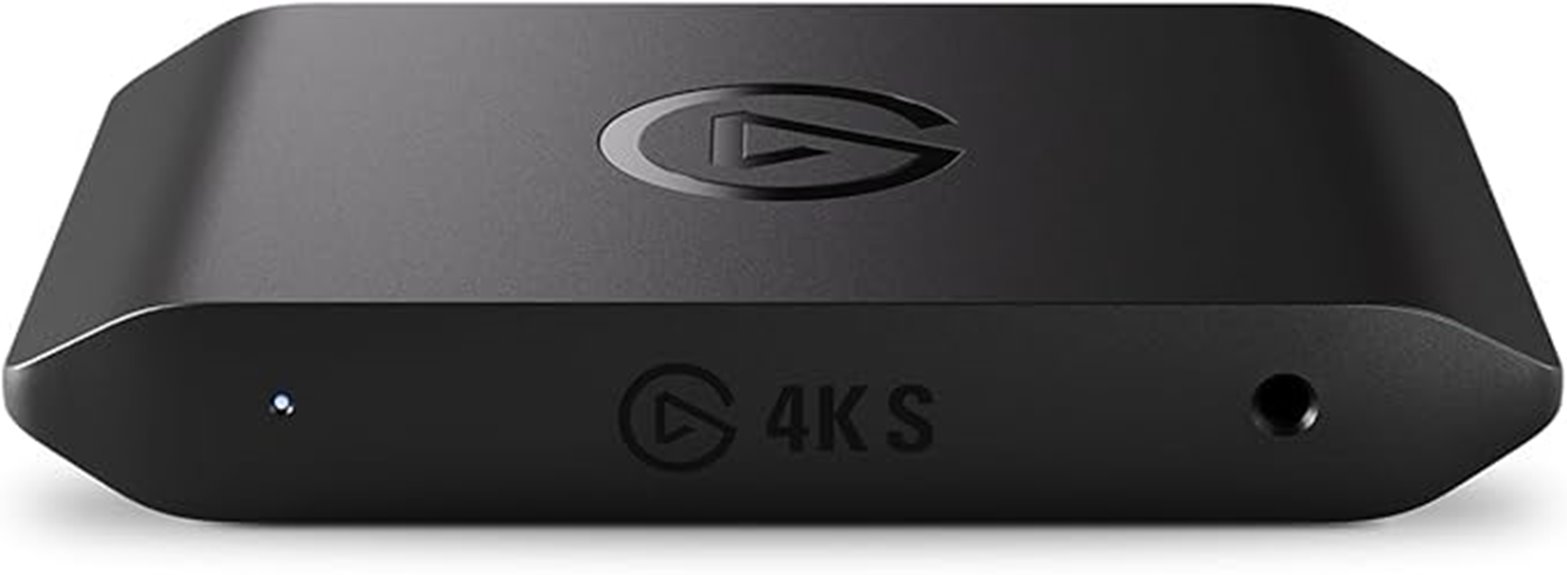
If you’re looking for a capture card that delivers stunning 4K60 footage with minimal latency, the Elgato 4K S is an excellent choice. It records crisp, cinematic 4K at 60 frames per second, with support for high frame rate options like 1440p120 and 1080p240, making gameplay smooth and fluid. The HDR10 support ensures vibrant colors and enhanced contrast, especially on Windows with tone mapping. Compatible with PS5, Xbox Series X/S, Switch 2, PC, Mac, and iPad, it offers broad usability. Its USB-C connection guarantees fast data transfer, near-zero latency, and real-time streaming, plus an analog audio input for in-game chat or commentary.
Best For: gamers and content creators seeking high-quality 4K60 recording with minimal latency across multiple platforms including consoles and computers.
Pros:
- Supports stunning 4K60 cinematic recording with vivid colors and rich detail
- Compatible with a wide range of devices including PS5, Xbox Series X/S, Switch 2, PC, Mac, and iPad
- Features USB-C for fast data transfer, near-zero latency, and real-time streaming
Cons:
- May require a powerful PC or Mac for optimal 4K60 recording and streaming performance
- Limited to one analog audio input, which might be restrictive for complex audio setups
- Higher price point compared to some 1080p capture options

AVerMedia Capture Card for Streaming, 4K60 HDR Passthrough, 1080p60 Video Recording, Ultra-Low Latency Game Streaming for Switch 2, Xbox, PS5, PC on Twitch, OBS, Win11, Mac - StreamLine MINI+ GC311G2
Seamless High-Refresh Game Streaming: Play on Switch 2, Xbox, or PS5 in 4K60 HDR or up to 1440p144/1080p240,...
As an affiliate, we earn on qualifying purchases.
AVerMedia Capture Card for Streaming, 4K60 HDR, 1080p60 Recording

The AVerMedia Capture Card stands out as an ideal choice for streamers who demand high-quality gameplay and professional recording capabilities. It supports 4K60 HDR passthrough, ensuring seamless gameplay on consoles like Switch 2, Xbox, and PS5. Recording is smooth at 1080p60, with options for up to 1440p144 or 1080p240 streaming. Its ultra-low latency, zero lag, and synced audio-video deliver an immersive experience. Setup is straightforward—no drivers needed—using the Streaming Center software. Compatible with popular platforms like OBS and Camo Studio, it’s perfect for multi-platform streaming and content creation, all with minimal effort.
Best For: streamers and content creators seeking high-quality, professional-grade gameplay recording and streaming with minimal setup.
Pros:
- Supports 4K60 HDR passthrough for seamless gameplay on next-gen consoles like Switch 2, Xbox, and PS5
- Easy plug-and-play setup without drivers, compatible with popular streaming software like OBS and Camo Studio
- Offers versatile recording and streaming options up to 1440p144 or 1080p240 with ultra-low latency
Cons:
- May require additional accessories or software for advanced editing or customization
- Limited to 1080p60 recording for most streaming, which might not meet all professional needs
- Compatibility may vary with some older or less common operating systems or streaming platforms
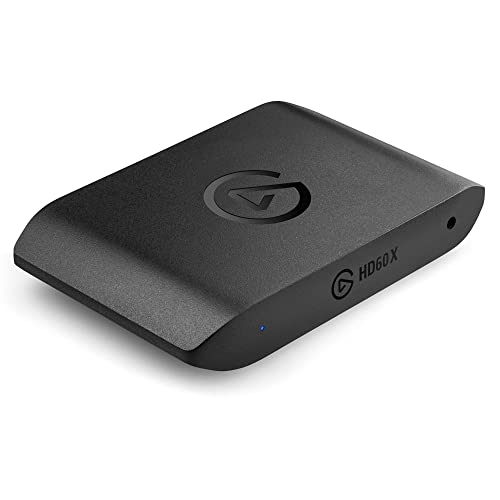
Elgato HD60 X - Stream and Record in 1080p60 HDR10 or 4K30 with Ultra-low Latency on PS5|Pro, PS4|Pro, Xbox Series X/S, Xbox One X|S, Nintendo Switch 2, in OBS and More, Works with PC and Mac
Premium Capture, Powerful Passthrough: Stunning 4K30 HDR10 or 1080p60 HDR10 quality, 4K60 HDR10, 1440p120, 1080p120, VRR passthrough.
As an affiliate, we earn on qualifying purchases.
Elgato HD60 X Game Capture Device
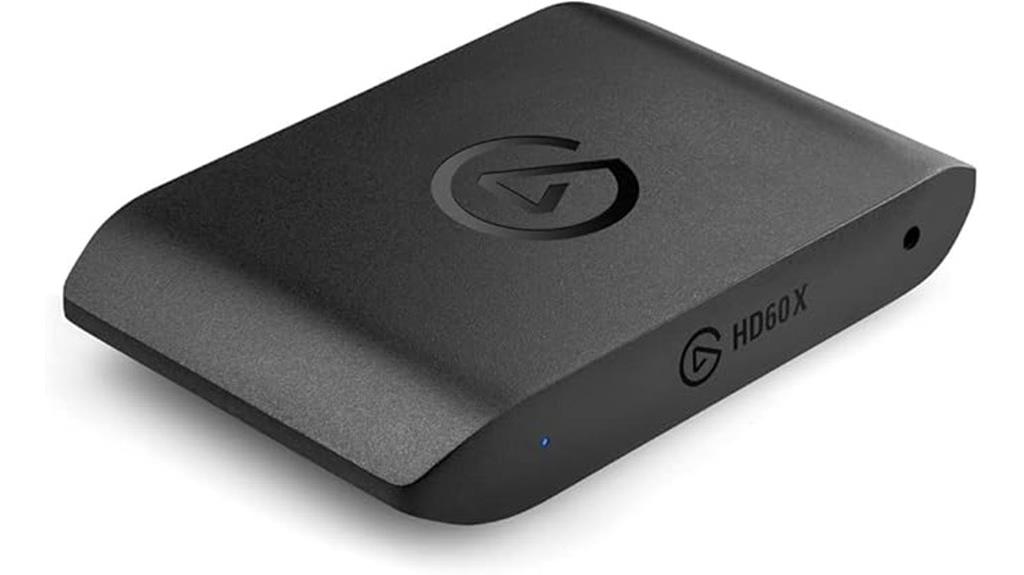
For gamers and content creators seeking seamless gameplay and high-quality streaming, the Elgato HD60 X stands out with its support for stunning 4K30 HDR10 and 1080p60 HDR10 resolutions. It offers versatile options like 4K60 HDR10 and 1440p120, ensuring crisp visuals and smooth performance. The device features VRR passthrough for fluid gameplay and works effortlessly with popular consoles like PS5, Xbox Series X/S, and Nintendo Switch, as well as PCs and Macs. Its plug-and-play setup requires no drivers, and it delivers ultra-low latency below 100ms, making real-time streaming and recording easy and reliable. No watermarks or subscriptions needed.
Best For: gamers and content creators seeking high-quality, seamless gameplay streaming and recording across multiple platforms with minimal latency.
Pros:
- Supports stunning 4K30 HDR10 and 1080p60 HDR10 resolutions for crisp visuals
- Ultra-low latency below 100ms ensures real-time streaming and recording
- Compatible with a wide range of consoles, PCs, and streaming platforms with plug-and-play setup
Cons:
- May require a powerful PC or Mac to handle high-resolution streaming smoothly
- Limited to HDR10 support, lacking newer HDR formats
- No built-in streaming or recording software, relying on third-party platforms like OBS or Streamlabs

AVerMedia 4K60 Capture Card with HDMI 2.1, Low Latency, 4K144/4K120 Passthrough, Game Capture Device for PS5, PS5 Pro, Xbox, Switch, Streaming on Twitch, OBS on Mac & PC, GC553G2 Live Gamer Ultra 2.1
4K Capture Card for Streaming: Seamlessly capture and stream PS5, PS5 Pro, Xbox, and Nintendo Switch gameplay in...
As an affiliate, we earn on qualifying purchases.
AVerMedia 4K60 Capture Card with HDMI 2.1

Gamers and streamers seeking ultra-high-definition gameplay recording will find the AVerMedia GC553G2 Live Gamer Ultra 2.1 to be an excellent choice. It captures and streams in 4K60 from consoles like PS5, Xbox Series X/S, Nintendo Switch, and PCs, supporting platforms such as Twitch, YouTube, OBS, and Streamlabs. With HDMI 2.1, it offers 4K144 HDR/VRR pass-through for smooth gameplay. Low latency, 5.1 channel audio, and live party chat support enhance the experience. Its compact, customizable design fits seamlessly into any setup. Backed by solid support, it’s a reliable option for high-quality streaming and recording.
Best For: gamers and streamers who want to capture and stream high-quality 4K gameplay from multiple consoles and PCs with minimal latency.
Pros:
- Supports 4K60 HDR/VRR pass-through for smooth, high-quality gameplay
- Compatible with popular streaming platforms like Twitch, YouTube, OBS, and Streamlabs
- Includes customizable RGB lighting and compact design for seamless integration
Cons:
- Requires Windows 10/11 x64, limiting compatibility with older systems
- Slightly higher price point compared to lower-resolution capture cards
- Limited details on bundled accessories or additional features included
Capture Card for Nintendo Switch and Consoles (HDMI to USB 3.0)
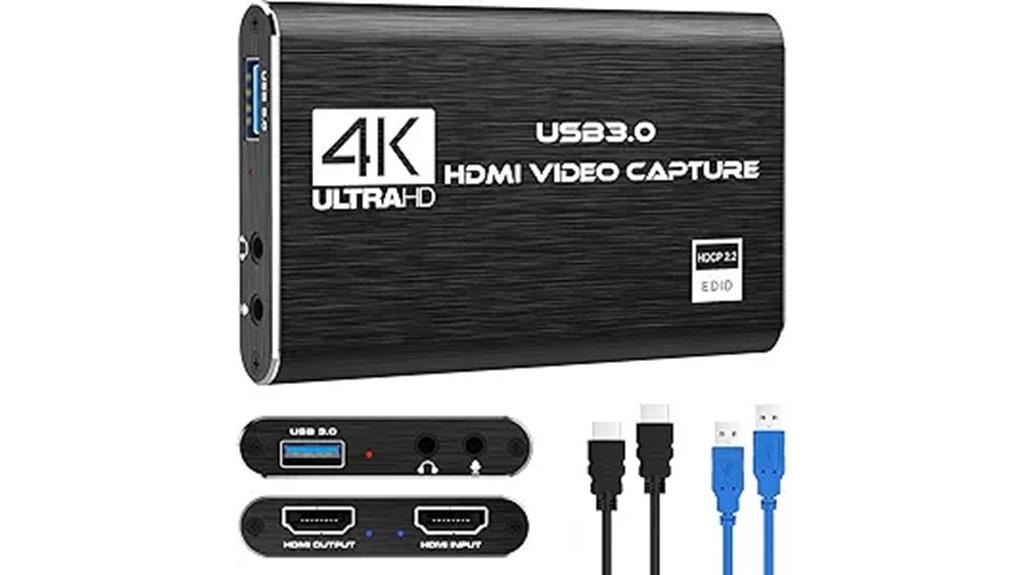
If you’re looking to stream or record gameplay from your Nintendo Switch or other HDMI-compatible consoles with ease, this capture card is an excellent choice. It supports 1080P HD video resolution, making it perfect for consoles like PS4, Xbox One, and Wii U. The plug-and-play design requires no drivers or external power, ensuring quick setup and stable performance. Using USB 3.0, it delivers low-latency, high-quality video to platforms like Twitch, YouTube, and OBS. Plus, the HDMI loop-out feature allows real-time gameplay without delay. Its broad compatibility and simple operation make it ideal for streamers and content creators wanting reliable, high-quality captures.
Best For: streamers, gamers, and content creators seeking a reliable, high-quality capture solution for HDMI consoles like Nintendo Switch, PS4, Xbox, and more.
Pros:
- Supports 1080P HD resolution with 60FPS for smooth, high-quality video capture
- Plug-and-play design requires no drivers or external power, ensuring quick setup
- HDMI loop-out feature allows real-time gameplay without delay during streaming
Cons:
- Limited to HDMI input; not compatible with non-HDMI sources
- May experience compatibility issues with some older or less common operating systems
- Does not include built-in recording software; users need to use third-party applications like OBS
Elgato 4K Pro Internal Capture Card with 8K60 Passthrough
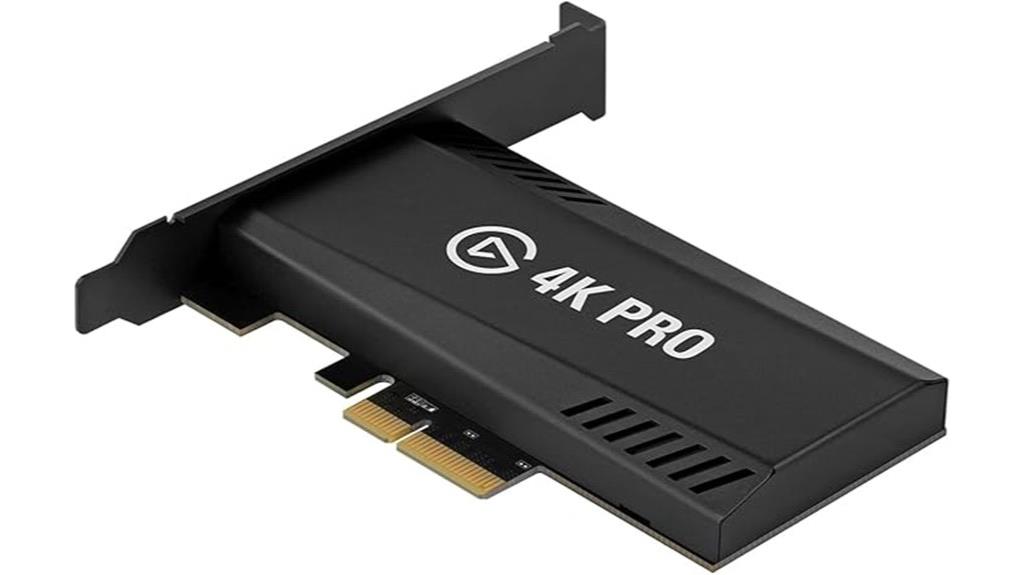
The Elgato 4K Pro Internal Capture Card with 8K60 Passthrough stands out for its ability to deliver stunning 4K60 HDR10 streaming and recording, making it an ideal choice for serious content creators and professional broadcasters. It supports a wide range of devices, including PS5 Pro, Xbox Series S, Nintendo Switch 2, and dual PC setups. With HDMI 2.1 ports, it offers seamless connectivity and supports up to 240fps at 1080p for smooth gameplay. The device features VRR passthrough for tear-free visuals and ultra-low latency, ensuring perfect sync between gameplay and stream quality across popular platforms like Twitch and YouTube.
Best For: serious content creators, professional gamers, and broadcasters seeking high-quality 4K60 HDR streaming and versatile device compatibility.
Pros:
- Supports 8K60 passthrough and 4K60 HDR10 recording for stunning visual fidelity
- Compatible with multiple gaming consoles and dual PC setups for versatile use
- Features HDMI 2.1 ports supporting high frame rates up to 240fps at 1080p with VRR passthrough for smooth gameplay
Cons:
- May require a compatible PCIe slot and sufficient system resources for optimal performance
- Higher price point compared to entry-level capture cards
- Setup and configuration can be complex for beginners unfamiliar with internal PC components
AVerMedia HDMI 2.1 Internal PCIe Capture Card for Streaming and Recording
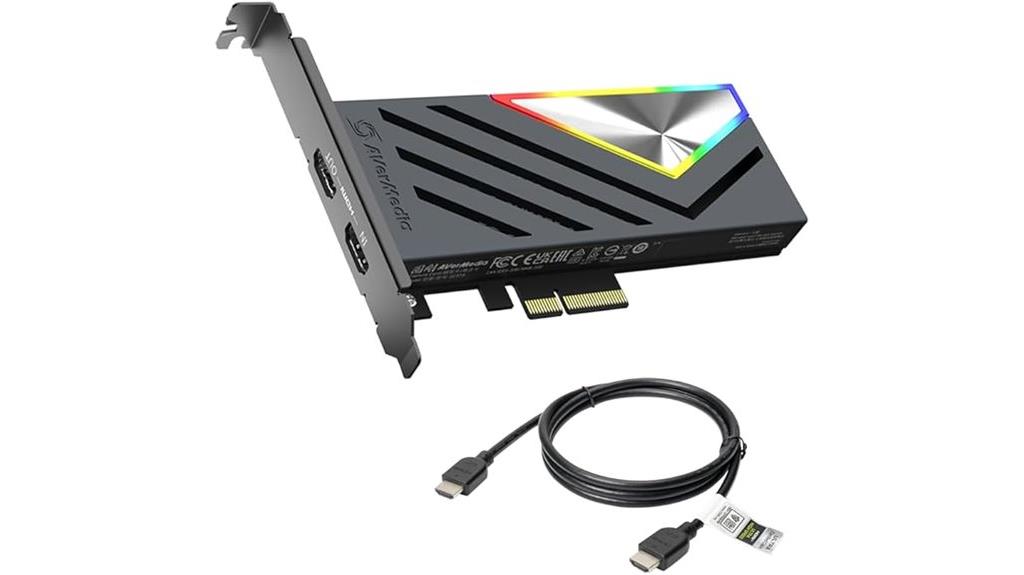
For those seeking professional-grade streaming and recording, the AVerMedia HDMI 2.1 Internal PCIe Capture Card stands out thanks to its support for HDMI 2.1 and 4K60 capabilities. It’s designed for high-quality, ultra-low latency capture, making it perfect for modern consoles like PS5, Xbox Series X/S, and Nintendo Switch. The card delivers crisp, detailed video with seamless live streaming, ensuring your gameplay looks professional. Its compatibility across various devices and optimized performance make it a top choice for serious streamers and content creators aiming for high-fidelity, real-time capture without delay.
Best For: serious gamers, professional streamers, and content creators seeking high-resolution, low-latency capture of gameplay from modern consoles.
Pros:
- Supports HDMI 2.1 and 4K60 for high-quality, detailed video capture and streaming
- Ultra-low latency technology ensures real-time gameplay without noticeable delay
- Compatible with a wide range of gaming consoles including PS5, Xbox Series X/S, and Nintendo Switch
Cons:
- Requires an internal PCIe slot, which may not be compatible with all systems
- Higher cost compared to lower-resolution or HDMI 2.0 capture cards
- May need additional software or hardware adjustments for optimal performance and setup
NearStream 4K HDMI Capture Card for Streaming and Recording
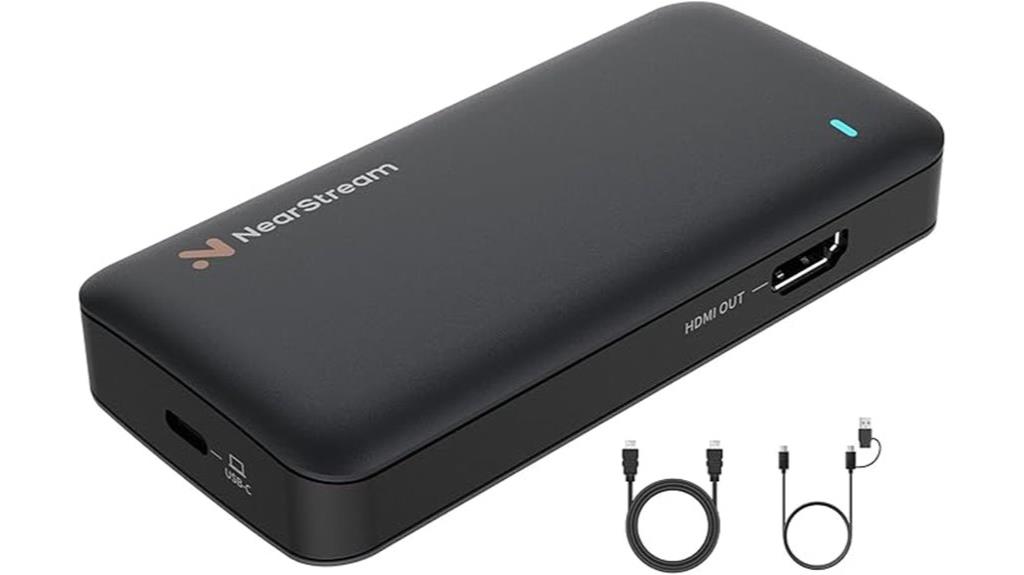
The NearStream 4K HDMI Capture Card is an excellent choice for streamers and content creators seeking high-quality, low-latency video capture. It supports HDMI input/output up to 4K@60fps and captures 1080P at 60fps from devices like PS5, Switch, cameras, and PCs. Its plug-and-play design requires no drivers on Windows or Mac, ensuring seamless setup. With a built-in 3.5mm audio interface, it handles both video and audio effortlessly. Compatible with popular streaming platforms like YouTube and Facebook Gaming, it’s perfect for live streaming, recording, or video conferencing. Its compact size and reliable performance make it a versatile tool for any content creator.
Best For: content creators, streamers, and gamers seeking a reliable, high-quality, low-latency HDMI capture solution for live streaming, recording, or video conferencing.
Pros:
- Supports 4K@60fps HDMI input/output for high-resolution streaming and recording
- Plug-and-play with no driver installation required on Windows and Mac
- Built-in 3.5mm audio interface for seamless audio and video integration
Cons:
- Limited to 1080P at 60fps when capturing via USB 3.0, which may be insufficient for some professional needs
- Only includes basic accessories, requiring additional cables for certain setups
- Slightly larger size may be less portable compared to ultra-compact capture devices
AVerMedia GC573 Live Gamer 4K Capture Card
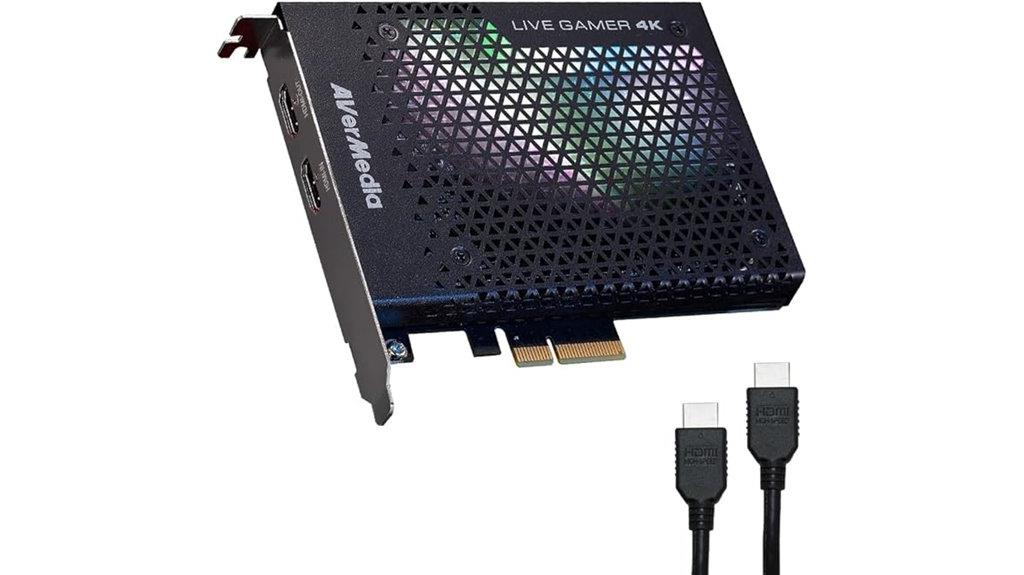
If you’re serious about high-quality streaming and recording, the AVerMedia GC573 Live Gamer 4K stands out with its support for 4K60 HDR10 pass-through, ensuring ultra-smooth gameplay with stunning visuals. This internal PCIe card is compatible with consoles like PS5, Xbox Series X/S, and PCs, offering a hassle-free plug-and-play setup without drivers or external power. It captures gameplay at up to 240 FPS in 1080p and 120 FPS in 1440p, providing buttery-smooth motion. Its ultra-low latency pass-through makes it perfect for real-time gameplay, streaming, and recording, making it a top choice for serious streamers and content creators.
Best For: serious streamers and content creators who demand high-quality 4K60 HDR10 pass-through, ultra-smooth gameplay, and low latency recording for both console and PC gaming.
Pros:
- Supports 4K60 HDR10 pass-through for stunning, high-quality visuals during gameplay and streaming
- Captures gameplay at up to 240 FPS in 1080p and 120 FPS in 1440p, ideal for fast-paced gaming
- Plug-and-play PCIe installation with no drivers or external power required for easy setup
Cons:
- Internal PCIe card may require opening the PC case, which could be challenging for some users
- Higher price point compared to basic capture cards with lower resolutions or features
- Limited compatibility with older or less common streaming software and platforms
AVerMedia 4K60 HDMI Capture Card for DSLR and Camcorders
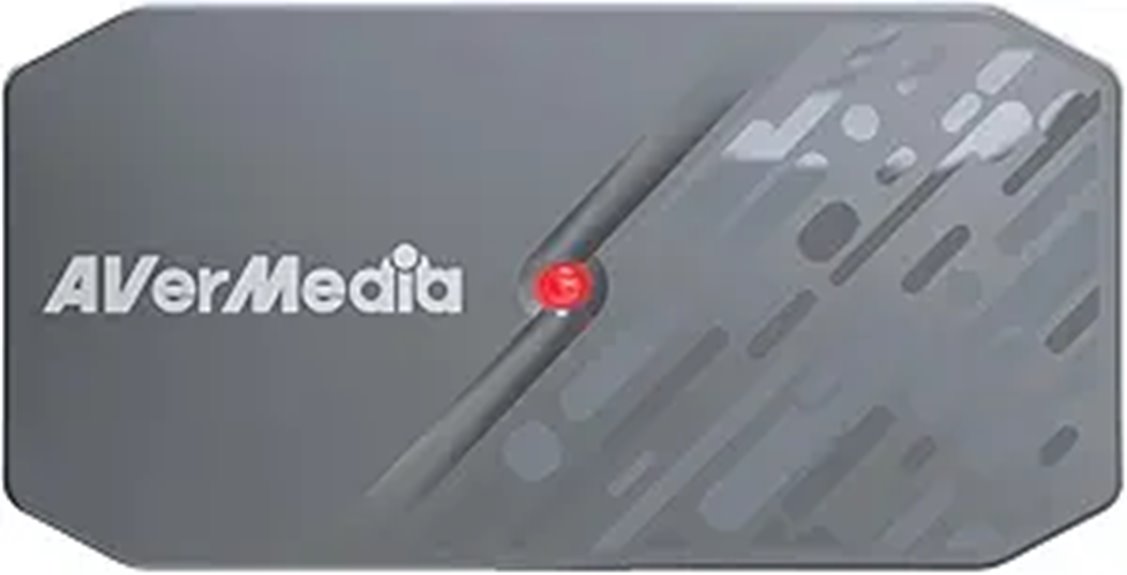
The AVerMedia 4K60 HDMI Capture Card for DSLR and Camcorders stands out as an ideal choice for professionals and serious content creators who demand high-quality, low-lag streaming. It captures 4K60fps with true-to-life RGB24 colors, ensuring vivid visuals. Its plug-and-play design requires no drivers, and it’s compatible with Windows 11, macOS, iPadOS, Android, and popular streaming platforms like OBS and Twitch. With ultra-low latency, it delivers lag-free, real-time performance for gaming, webinars, and live broadcasts. The compact device is portable and easy to set up, turning cameras into webcams for seamless, professional-quality streaming and recording.
Best For: content creators, streamers, and professionals seeking high-quality, low-lag 4K60fps video capture from DSLR cameras and camcorders for live streaming, webinars, and recordings.
Pros:
- Supports 4K60fps capture with true RGB24 color depth for vivid, high-quality visuals
- Plug-and-play design with no driver installation needed, compatible across multiple operating systems
- Ultra-low latency ensures real-time, lag-free streaming suitable for gaming, webinars, and professional broadcasts
Cons:
- Price may be higher compared to basic capture cards, reflecting its advanced features
- Limited included accessories, requiring additional mounts or adapters for certain setups
- Compatibility with some older hardware or software may require additional configuration
Elgato 4K X Capture Card for 4K144 Streaming and Recording

For serious streamers and gamers who demand top-tier visuals, the Elgato 4K X Capture Card stands out with support for up to 4K resolution at 144fps, ensuring ultra-smooth and crisp streaming and recording. It’s compatible with PS5, Xbox Series X|S, Nintendo Switch 2, PC, Mac, and iPad, thanks to HDMI 2.1 in/out. It can record at 240fps in 1080p, providing high-quality content creation. Supporting HDR10 and VRR passthrough, it delivers vibrant visuals and smooth gameplay. Powered by USB 3.2 Gen 2, it offers ultra-low latency, keeping your stream synchronized and responsive for an immersive experience.
Best For: serious streamers and gamers seeking top-tier visuals with ultra-smooth recording and broad device compatibility.
Pros:
- Supports up to 4K resolution at 144fps for ultra-crisp streaming and recording
- Compatible with a wide range of devices including PS5, Xbox Series X|S, Nintendo Switch 2, PC, Mac, and iPad
- Features HDR10 and VRR passthrough for vibrant visuals and smooth gameplay
Cons:
- Requires USB 3.2 Gen 2 port for optimal performance, which may not be available on all devices
- Can be more expensive compared to lower-tier capture cards with fewer features
- High frame rate recording at 240fps in 1080p demands significant storage and processing power
AVerMedia 4K HDMI Capture Card for Streaming and Recording

Gamers and content creators seeking high-quality, seamless streaming will find the AVerMedia 4K HDMI Capture Card (GC553Pro) to be an excellent choice. It offers smooth 4K60 HDR pass-through, perfect for PS5, Xbox Series X/S, and PC gameplay. Compatible with Windows, Mac, and iPadOS, it supports popular streaming platforms like OBS, Streamlabs, Twitch, and YouTube. The device delivers vibrant RGB colors and ultra-wide resolutions up to 3440×1440. Its plug-and-play design guarantees quick setup with minimal latency, making it ideal for professional streamers and serious gamers who want reliable, high-fidelity recording and streaming without hassle.
Best For: gamers and content creators seeking high-quality, seamless 4K streaming and recording across multiple devices and platforms with minimal latency.
Pros:
- Supports 4K60 HDR pass-through for smooth, high-fidelity gameplay on popular consoles and PC
- Compatible with Windows, Mac, and iPadOS, supporting major streaming platforms like OBS, Streamlabs, Twitch, and YouTube
- Compact, plug-and-play design ensures easy setup and reliable performance with ultra-wide resolution support
Cons:
- May require a high-performance PC to handle 4K60 HDR streaming without issues
- Limited built-in features; advanced customization requires third-party software
- Slightly premium price point compared to basic capture cards
AVerMedia HDMI Capture Card for Streaming and Gaming
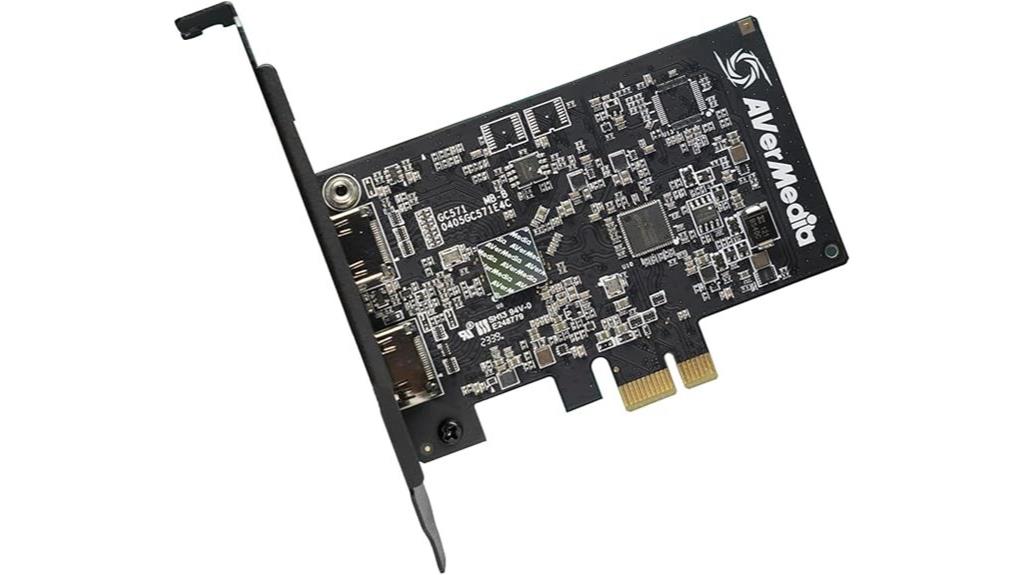
If you’re looking to elevate your streaming setup with high-quality visuals and smooth gameplay, the AVerMedia HDMI Capture Card is an excellent choice. It supports HDMI 2.0 input sources with 4K60 pass-through, giving you immersive gaming without sacrificing image quality. You can stream in 4K30 or achieve 1080p120FPS for ultra-smooth footage. Its support for VRR technology ensures tear-free, responsive gameplay. Compatible with major consoles like PS5, Xbox Series X/S, and Nintendo Switch, it’s easy to install with a plug-and-play, drive-free setup. Whether for casual or professional streaming, this capture card delivers stunning visuals and seamless performance.
Best For: streamers and gamers seeking high-quality, smooth gameplay and reliable capture for professional or casual streaming setups.
Pros:
- Supports HDMI 2.0 input with 4K60 pass-through for immersive gaming visuals.
- Enables high frame rate streaming up to 1080p120FPS for ultra-smooth footage.
- Plug-and-play, drive-free setup ensures easy installation across various PC configurations and broad console compatibility.
Cons:
- Requires a PCIe slot, which may not be available in all PCs.
- May have limited functionality for users needing advanced streaming customization.
- Higher-end features like 4K60 pass-through might be unnecessary for casual streamers with lower resolution needs.
Elgato Game Capture Neo USB 4K60 HDR Capture Card

The Elgato Game Capture Neo USB 4K60 HDR stands out as an ideal choice for content creators and streamers seeking a portable, high-quality capture solution. Its compact size and light weight make it perfect for gaming on the go, connecting easily via USB 3.0 to laptops, PCs, Macs, or iPads. It supports unencrypted HDMI input from consoles like PS5, Xbox, and Switch, delivering lag-free 4K60 HDR passthrough and recording at 1080p60. Setup is straightforward—plug in, select Neo in your app, and start streaming or recording. Its versatility, combined with sleek design, makes it a reliable tool for seamless, high-quality gameplay capture.
Best For: content creators and streamers seeking a portable, high-quality capture device compatible with multiple systems for seamless gaming and live streaming.
Pros:
- Compact, lightweight, and highly portable for gaming on the go
- Supports 4K60 HDR passthrough with lag-free HDMI, ensuring high-quality gameplay experience
- Easy plug-and-play setup compatible with Windows, macOS, iPadOS, and various applications
Cons:
- Limited to 1080p60 recording resolution, despite 4K HDR passthrough capabilities
- Requires USB 3.0 port for optimal performance, which may not be available on all devices
- No built-in editing or streaming software, necessitating external applications for content creation
AVerMedia Live Gamer Ultra 2.1 HDMI Capture Card for Streaming and Gaming
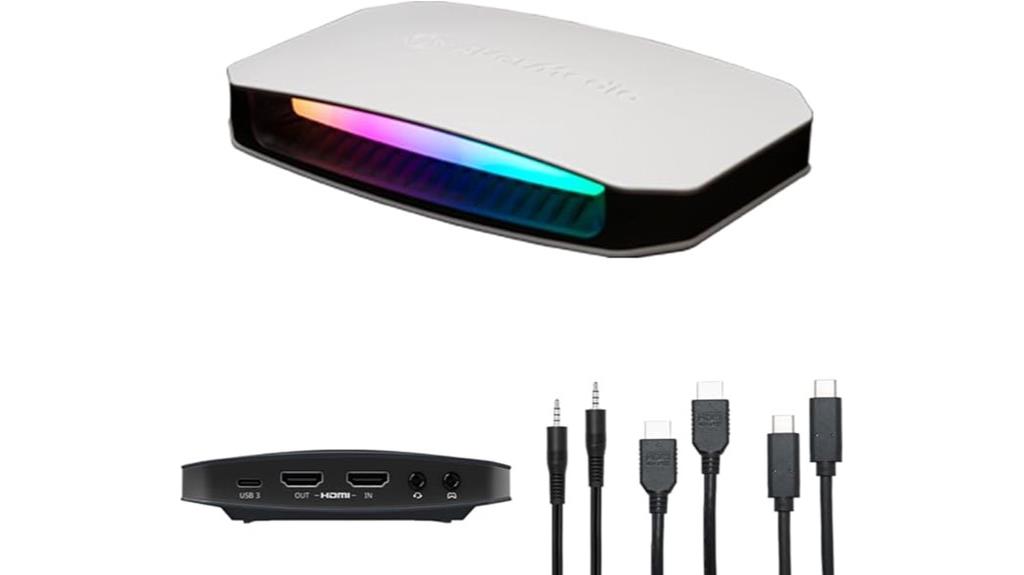
For streamers and content creators seeking professional-grade quality without complicated setup, the AVerMedia Live Gamer Ultra 2.1 HDMI Capture Card stands out with its true 4K HDR10 capture and smooth 4K60 HDR10 streaming. It features HDMI 2.1 pass-through for zero-lag, accurate color, and compatibility with next-gen consoles like PS5, Xbox Series X|S, and Nintendo Switch 2. Powered by USB 3.2 Gen 2 Type-C, it’s plug-and-play for Windows, macOS, and iPadOS. Its compact design supports VRR, HDR10, 5.1-channel audio, and customizable RGB lighting, making it perfect for professional-quality streams with minimal setup.
Best For: content creators and streamers seeking professional-grade 4K HDR gameplay capture with easy setup and real-time performance.
Pros:
- Supports true 4K HDR10 capture and 4K60 HDR10 streaming for high-quality visuals.
- Plug-and-play with USB 3.2 Gen 2 Type-C, compatible with Windows, macOS, and iPadOS without additional drivers.
- HDMI 2.1 pass-through provides zero-lag, smooth gameplay on next-gen consoles like PS5, Xbox Series X|S, and Nintendo Switch 2.
Cons:
- Limited to users with compatible hardware and software (e.g., OBS, Streamlabs) for optimal use.
- Slightly higher price point compared to basic capture cards lacking 4K HDR10 support.
- Compact design may require careful handling to avoid damage during transport or setup.
Factors to Consider When Choosing 4K60 Streaming Capture Cards
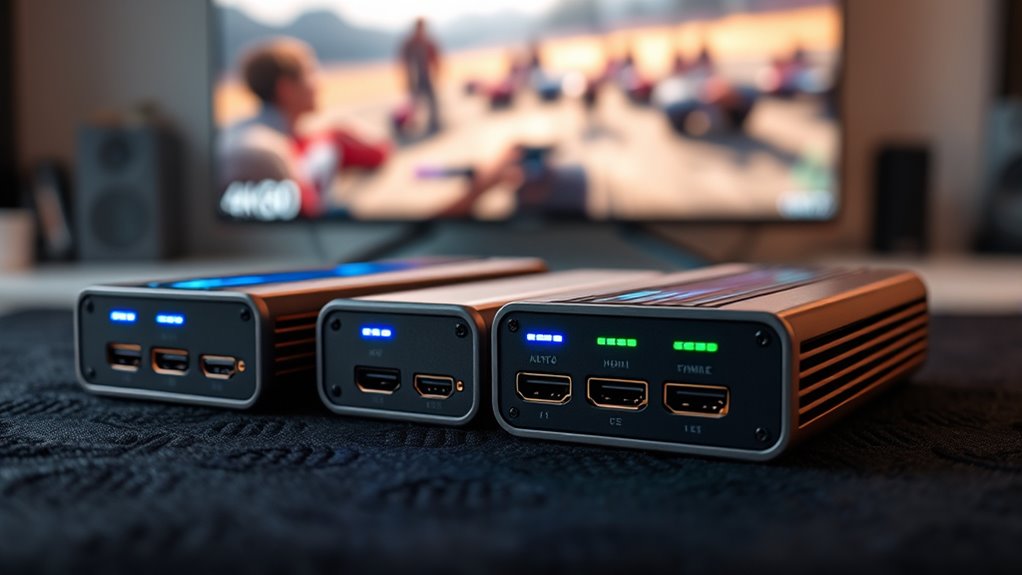
When choosing a 4K60 streaming capture card, I consider factors like resolution, frame rates, and device compatibility to guarantee smooth performance. Latency and response time are vital for real-time streaming, so I look for options with low delay. Additionally, I check connectivity options and software support to make sure everything works seamlessly with my setup.
Resolution and Frame Rates
Choosing the right capture card involves paying close attention to its supported resolution and frame rates, as these directly impact your stream’s clarity and smoothness. For 4K60 streaming, guarantee the card can handle 3840×2160 resolution at a steady 60 frames per second, providing crisp visuals without lag. Higher frame rates like 120fps or 144fps are great for smooth slow-motion effects and high-performance gameplay. It’s also vital that the device supports HDMI 2.0 or above to transmit 4K60 signals without bottlenecks. The hardware must maintain stable frame rates during long streams to avoid drops that ruin the viewing experience. Additionally, compatibility with your GPU and CPU ensures your system can process the high data load efficiently, keeping your stream seamless and professional.
Compatibility With Devices
Ensuring your capture card is compatible with your devices is vital for a smooth streaming experience. First, check that it supports your gaming consoles like PS5, Xbox Series X/S, or Nintendo Switch 2. Compatibility with your operating system—Windows, Mac, Linux, or iPadOS—is also indispensable for seamless integration. Additionally, verify that the capture card works with your preferred streaming platforms and software, such as OBS or Streamlabs, to avoid setup issues. Make sure the input/output connections, like HDMI 2.1 or USB-C, match your device’s ports for reliable connectivity. Finally, review whether the device supports high resolutions and frame rates, like 4K60, to meet your quality and performance expectations. Proper compatibility ensures hassle-free streaming and top-notch performance.
Latency and Response Time
Latency and response time are critical factors that can make or break your streaming experience, especially during fast-paced gameplay. Low latency, ideally under 100ms, ensures your stream stays synchronized with your actions, preventing noticeable delays. Capture cards supporting HDMI 2.1 often deliver near-zero lag, which is essential for seamless interaction. The interface type also impacts response; USB 3.0 and above usually provide faster data transfer, reducing overall delay. Ultra-low latency models help cut input lag, making gameplay feel more immediate and natural. Additionally, the device’s internal processing speed influences how quickly it encodes and transmits video, directly affecting response time. Choosing a capture card with minimal latency and fast response ensures smooth streaming and a better gaming experience overall.
Connectivity Options
Selecting the right connectivity options is essential for maximizing your capture card’s performance. Make sure the device supports HDMI 2.0 or higher to handle 4K60 pass-through and recording smoothly. USB-C or USB 3.0/3.2 ports are crucial for fast data transfer, reducing lag and ensuring seamless gameplay. Check that the capture card is compatible with your gaming console, PC, or streaming device through its input/output ports. If you want multi-platform flexibility, look for models with HDMI in/out and compatibility with Windows, Mac, or iPadOS. Additional features like analog audio input or HDMI loop-out can also enhance your setup, allowing for easier gameplay monitoring and improved overall functionality. Prioritizing these connectivity options helps deliver a stable, high-quality streaming experience.
Software Compatibility
Choosing a capture card that’s compatible with your streaming software is essential for a smooth broadcasting experience. I always check if the device works seamlessly with popular options like OBS, Streamlabs, XSplit, or vMix to avoid integration issues. It’s also important to verify that the capture card supports your operating system, whether Windows, macOS, Linux, or iPadOS, for peak performance. I look for native or widely supported drivers, which make setup easier and ensure reliable operation without hiccups. Additionally, I confirm the card can handle your desired resolution and frame rate within your software environment for smooth streaming. Features like HDR, VRR, and audio input/output options should also be compatible with your software to fully utilize their benefits during broadcasts.
Ease of Setup
When setting up a 4K60 streaming capture card, simplicity can make a big difference, especially for newcomers. A user-friendly card should offer plug-and-play connectivity, so I can get started without installing extra drivers or software. Compatibility with Windows, macOS, and Linux makes setup straightforward across various devices. Clear, step-by-step instructions and included accessories like HDMI and USB cables help me connect everything quickly. Design also matters—I prefer internal or external options that support easy mounting or placement. Devices with automatic input detection and minimal configuration let me start streaming with little technical knowledge. Overall, a capture card that emphasizes ease of setup saves time, reduces frustration, and gets me streaming faster.
Additional Features
Additional features can substantially enhance the overall streaming experience and help me get the most out of my capture card. HDR support and VRR passthrough improve visual quality and reduce lag, making streams look sharper and more responsive. Customizable RGB lighting adds a personal touch to my setup. Many cards include analog audio inputs or 5.1 channel capture for immersive sound, elevating the audio experience. Built-in HDMI loop-out or pass-through enables me to stream gameplay without lag or interruption. Compatibility with platforms like OBS, Streamlabs, and conferencing apps broadens my streaming options. Features like low latency, zero-lag passthrough, and high frame rate support ensure my streams are smooth and responsive, providing viewers with seamless, high-quality content.
Price and Value
Since higher-priced 4K60 capture cards often include features like HDR support, low latency, and higher frame rates, they tend to offer better overall value for serious streamers. These advanced options enhance streaming quality and reduce lag, making the investment worthwhile if you prioritize top performance. However, budget-friendly models can still deliver 4K60 resolution but might lack features like VRR or ultra-low latency, which could affect your stream’s smoothness. It’s essential to contemplate compatibility with your existing setup and software to avoid additional costs. Investing in a well-reviewed, reliable capture card can also save you money on troubleshooting or replacements down the line. Comparing models within your budget helps you find the best balance of price, quality, and future-proofing for your streaming needs.
Frequently Asked Questions
What Are the Latency Differences Between Internal and External 4K60 Capture Cards?
Internal 4K60 capture cards generally have lower latency because they connect directly to my motherboard via PCIe, reducing data transfer delays. External cards, while more flexible and easier to set up, tend to introduce slightly higher latency due to USB or Thunderbolt connections. I notice the difference mainly in fast-paced games, but for most streaming purposes, the latency gap isn’t huge. Still, if minimal delay is critical, internal cards are my go-to.
How Compatible Are These Capture Cards With Various Streaming Platforms?
Like a well-tuned orchestra, these capture cards harmonize with most streaming platforms, from Twitch to YouTube and Facebook Gaming. I’ve found they’re highly compatible, easily integrating with popular software like OBS and Streamlabs. Whether you’re broadcasting in 4K60 or lower resolutions, you won’t face much trouble. Just guarantee your platform supports high-quality streams, and you’ll enjoy seamless, professional-grade content, no matter where you share it.
Do 4K60 Capture Cards Support HDR and Dolby Vision Recording?
Yes, many 4K60 capture cards support HDR, including Dolby Vision, but it’s not universal. I always check the specifications before buying to confirm they handle HDR metadata properly. If you want to record or stream with HDR and Dolby Vision, look for cards explicitly mentioning support for these features. Keep in mind, your source device and display also need to support HDR and Dolby Vision for the best experience.
What Is the Typical Power Consumption of High-End 4K60 Capture Devices?
Think of high-end 4K60 capture devices as digital engines—they usually sip power, around 10 to 20 watts during operation. I’ve seen models that stay cool and efficient, almost like a well-tuned sports car. When I use these, I notice they don’t drain my power supply or overheat. So, you can expect steady performance without your setup turning into a power-hungry beast.
Can These Capture Cards Be Used for Live Editing or Only Recording?
These capture cards are mainly designed for recording and streaming, not live editing. I use them to capture high-quality footage and broadcast it seamlessly, but I can’t edit directly within the device. For live editing, I rely on software running on my PC that processes the captured footage. So, they’re ideal for high-quality streaming, but if you want live editing, you’ll need additional software and hardware.
Conclusion
Choosing the right 4K60 capture card feels like finding the perfect match—it’s about syncing your setup and your passion. As I looked through these options, I realized that sometimes, the best choice isn’t just about specs but about what truly complements your gaming style. When I finally found mine, it was like a clear signal—reminding me that the right gear can turn a good stream into a great one, almost by chance.