Choosing the best reverse osmosis system for a family kitchen involves balancing water quality, ease of use, and long-term value. The Waterdrop G2P600 stands out as the top overall pick thanks to its high capacity and tankless design, ideal for busy households. For those prioritizing mineral retention and enhanced taste, the iSpring RCC7AK offers excellent pH remineralization. Meanwhile, the Bluevua RO100ROPOT Countertop is perfect for renters or those seeking a portable, installation-free solution. Each option has its own tradeoffs—larger capacity, maintenance needs, or installation complexity—so continue reading for the full breakdown to find the best fit for your family’s needs.
Key Takeaways
- Tankless systems like Waterdrop G2P600 offer high capacity with less space but can have higher upfront costs.
- Countertop and portable models excel in ease of setup but may lack the capacity or advanced features of under-sink units.
- Filtration stages and certifications provide a reliable indicator of performance, especially in removing contaminants common in family households.
- Additional features like remineralization and UV sterilization can improve water quality but often come with higher price tags.
- Ease of installation and maintenance varies widely—choosing a model aligned with your technical comfort can save frustration.




More Details on Our Top Picks
Waterdrop G2P600 Reverse Osmosis System, TDS Reduction, 7 Stage Water Filtration, NSF/ANSI 372 Certified, 600 GPD Tankless RO Water Filter System, Under Sink, 2:1 Pure to Drain
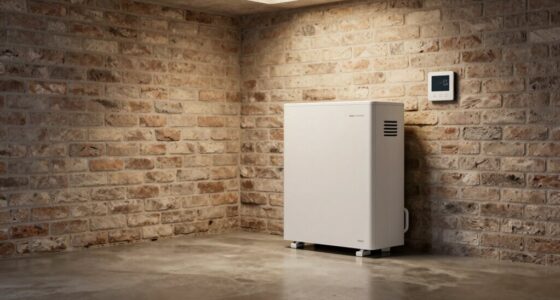
This system stands out for its impressive 600 GPD flow rate and innovative tankless design, making it ideal for large families or busy households that need quick access to water without sacrificing efficiency. Unlike the iSpring RCC7AK, which offers excellent filtration but at a slightly lower flow rate, the G2P600 minimizes waste with its 2:1 drain ratio, conserving water and reducing utility costs. Its quick twist-and-pull filters make maintenance straightforward, while the NSF/ANSI 372 certification guarantees lead-free, safe materials. The main tradeoff is its larger footprint and higher initial cost, but the efficiency gains make it worth considering for high-volume use. Overall, this pick is best suited for families with high water demand who want a reliable, water-saving system that’s easy to install and maintain.
Pros:- High 600 GPD flow rate for quick water access
- Tankless design saves space and reduces contamination risk
- 2:1 low drain ratio significantly conserves water
- Easy twist-and-pull filters for quick maintenance
Cons:- Larger physical size may not fit in compact under-sink cabinets
- Higher upfront cost compared to basic models
- Requires electrical connection for operation
Best for: Large families or households with high daily water consumption needing fast, efficient filtration
Not ideal for: Small kitchens or apartments with limited space, as its size and tankless design require more under-sink room
- Flow Rate:600 GPD
- Filtration Stages:7
- Drain Ratio:2:1
- Certification:NSF/ANSI 372
- Installation Type:Under Sink
- Filter Replacement:Twist-and-pull
- Maximum Water TDS:500 ppm
- Dimensions:17.3 x 5.9 x 14 inches
- Weight:25.4 pounds
Bottom line: This system is perfect for large households seeking fast, water-efficient filtration with minimal waste.
iSpring RCC7AK, NSF Certified, 75 GPD, Alkaline 6-Stage Reverse Osmosis System, pH+ Remineralization RO Water Filter System Under Sink, Patented Top-Mounted Faucet Design
The iSpring RCC7AK makes a strong case for those wanting a system that not only filters thoroughly but also restores healthy minerals and pH balance, producing water closer to natural spring quality. Compared with the Waterdrop G2P600, which emphasizes high flow and efficiency, the RCC7AK is better suited for households prioritizing mineral content and taste. Its transparent first-stage housing offers easy monitoring, and the quick-connect fittings simplify installation. While it provides excellent contaminant reduction, its flow rate is slightly lower at 75 GPD, which could be a drawback for very high water use. The system’s sturdy build and NSF/ANSI 58 certification give peace of mind regarding safety and performance. This pick is ideal for families that value mineral-rich water and a straightforward DIY setup.
Pros:- Remineralization stage restores essential minerals
- Transparent filter housing for easy monitoring
- Quick-connect fittings for hassle-free installation
- Certified to NSF/ANSI 58 standards
Cons:- Lower flow rate compared to tankless systems
- Filters need replacement every 6-12 months
- Bulkier under-sink footprint
Best for: Families seeking mineral and pH-balanced water with easy installation and monitoring
Not ideal for: Homes with very high water demands or those needing ultra-fast flow rates, as its 75 GPD may be limiting
- Flow Rate:75 GPD
- Filtration Stages:6
- Certification:NSF/ANSI 58
- Remineralization:Yes
- Installation Type:Under Sink
- Filter Replacement:Every 6-12 months
- Maximum TDS Supported:98 ppm
- Dimensions:15.5 x 16 x 18 inches
- Weight:20 pounds
Bottom line: This unit is perfect for families who prioritize mineral-rich, balanced water with straightforward DIY installation.
Bluevua RO100ROPOT Countertop Reverse Osmosis Water Filter System, Portable RO Filtration with Remineralization, No Installation, WQA Certified – ROPOT, 5-Stage RO
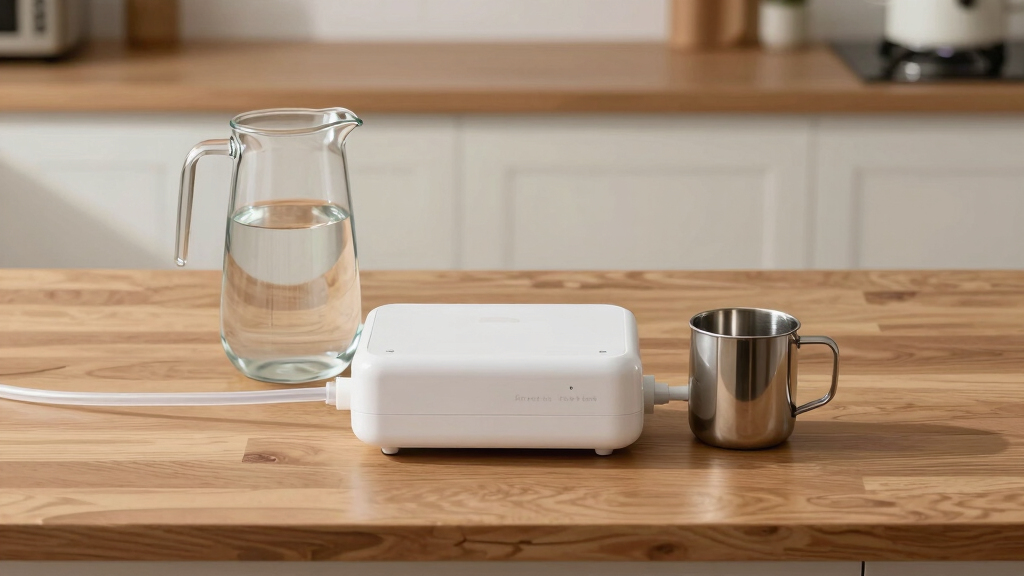
The Bluevua RO100ROPOT shines for its portability and ease of use, requiring no plumbing or installation—ideal for renters or those who prefer a countertop setup. Unlike the Waterdrop G3P600, which is tankless and under-sink, this model sits directly on your counter and can be moved easily. Its 5-stage filtration includes remineralization, providing clean, tasty water with minerals, and the water-saving design reduces waste. Its compact size and simple plug-in operation make it accessible for anyone, but the tradeoff is a lower capacity, with a 1.7-liter tank, and slightly slower flow at 0.26 liters per minute. Despite this, it delivers high-quality water without the need for permanent installation. This choice is best for apartment dwellers and those seeking a flexible, no-hassle option.
Pros:- No installation required, portable design
- Includes remineralization for better taste
- Water-saving 2:1 drain ratio
- Compact and lightweight
Cons:- Limited tank capacity (1.7L)
- Slower flow rate compared to under-sink systems
- Requires electricity for operation
Best for: Renters or those needing a portable, installation-free water solution
Not ideal for: Households with high daily water needs or large families, due to limited capacity
- Flow Rate:0.26 L/min
- Filtration Stages:5
- Drain Ratio:2:1
- Certification:WQA
- Installation Type:Countertop
- Filter Life:12-24 months
- Supported Water TDS:1000 ppm
- Dimensions:10.9 x 15.4 x 14.3 inches
- Weight:5 kg
Bottom line: This model is well-suited for those who want quality water without the permanence or space requirements of traditional systems.
Waterdrop G3P600 Reverse Osmosis System, 8 Stage Tankless Reverse Osmosis Water Filter, NSF/ANSI 42 & 53 & 58 & 372 Certified, Under Sink RO System, 2:1 Pure to Drain, Smart LED Faucet
The Waterdrop G3P600 offers an advanced 8-stage filtration process, making it ideal for families that want comprehensive contaminant removal combined with real-time system monitoring via its smart LED faucet. Compared to the Waterdrop G2P600, this model features more filtration stages, including UV and additional filters, for enhanced safety. Its tankless design conserves space and provides consistent flow, while the 2:1 low drain ratio minimizes water waste. The smart faucet displays TDS levels and filter status, giving users confidence and control. The main tradeoff is a somewhat higher price and complexity, but the enhanced filtration and monitoring are worth it for safety-conscious families. This system is best suited for those interested in thorough filtration with high-tech features.
Pros:- 8-stage filtration for comprehensive removal
- Smart LED faucet displays water quality and filter life
- Tankless space-saving design
- Certified for multiple contaminant reductions
Cons:- Higher cost due to advanced features
- More complex setup and maintenance
- Requires electrical power
Best for: Families prioritizing multi-stage water purification with system monitoring features
Not ideal for: Users on a tight budget or those preferring simpler, lower-cost systems
- Flow Rate:600 GPD
- Filtration Stages:8
- Drain Ratio:2:1
- Certification:NSF/ANSI 42, 53, 58, 372
- Installation Type:Under Sink
- Smart Features:LED display, TDS monitoring
- Water TDS Support:1500 ppm
- Dimensions:18.12 x 5.67 x 17.72 inches
- Weight:32 pounds
Bottom line: This system is ideal for families seeking top-tier filtration with real-time water quality monitoring.
iSpring RCC7, NSF Certified, High Capacity Under Sink 5-Stage Reverse Osmosis Water Filter, RO Drinking System, 75 GPD, Brushed Nickel Faucet, Patented Top-Mounted Faucet Design for Easy Installation
The iSpring RCC7 stands out as the most dependable choice thanks to its NSF/ANSI 58 certification and proven performance removing over 99% of contaminants like fluoride, lead, arsenic, and PFAS. Compared to the VIVA21 system, it offers a higher capacity and a more established track record, making it ideal for families seeking consistent, bottled-quality water. While its installation is straightforward and leak-proof, the system does require regular filter changes and takes up some under-sink space. Its durable construction and excellent filtration make it suitable for households prioritizing health and reliability, though it involves a moderate upfront investment. If you want a trusted, long-term solution with minimal maintenance, this pick makes the most sense.
Pros:- NSF/ANSI 58 certified for trusted performance
- Removes up to 99% of harmful contaminants including fluoride and lead
- Long-lasting filters with a capacity of 75 GPD
Cons:- Requires under-sink installation and space allocation
- Regular filter replacements needed, adding to maintenance
Best for: Families needing high-capacity, reliable filtration with minimal ongoing fuss
Not ideal for: Small households with limited under-sink space or those preferring portable options
- Capacity:75 Gallons per Day
- Certification:NSF/ANSI 58
- Dimensions:23.62″L x 15.75″W x 11.81″H
- Flow Rate:3.4 Liters per Minute
- Material:Plastic with impact-resistant housing
- Filter Life:6-12 months
Bottom line: Ideal for households wanting a proven, high-capacity system that delivers bottled-quality water with dependable performance.
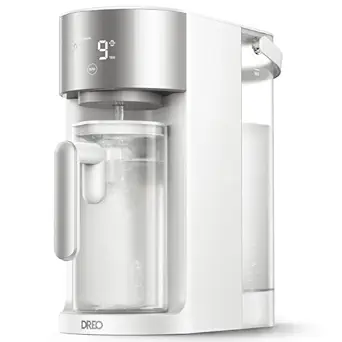
DREO Reverse Osmosis Water Filter Countertop, RO Filtration System, 3:1 Pure to Drain, TDS & Filter Life & Autofill Pitcher, Installation-Free, Self-Cleaning Water Purifier, RO Water Filter
The DREO Countertop RO System makes clean water accessible without plumbing, thanks to its installation-free design and auto-filtration features. Unlike the Bluevua RO100ROPOT, which relies on a portable design and a glass carafe, the DREO offers a compact, user-friendly experience with real-time TDS monitoring and self-cleaning, making it perfect for renters or those with limited space. Its 3:1 pure-to-drain ratio emphasizes water efficiency, but its capacity suits smaller households or occasional use rather than continuous daily needs. The system’s ease of use and minimal maintenance make it a smart pick for busy individuals who want fresh, healthy water without the hassle of installation or under-sink plumbing. For those prioritizing simplicity and portability, this model fits the bill.
Pros:- No installation or plumbing required
- Real-time TDS and filter life monitoring
- Self-cleaning system for hassle-free maintenance
Cons:- Limited capacity for high daily consumption
- Slightly higher cost per gallon compared to under-sink models
Best for: Individuals or small families seeking portable, plug-and-play filtration
Not ideal for: Large households or those needing high daily water volume
- Capacity:Approximately 2-3 gallons
- Filtration Stages:6
- Drain Ratio:3:1
- Dimensions:14.5″L x 6.7″W x 13.4″H
- Filter Life:12-24 months
- Certification:NSF/ANSI 58
Bottom line: Perfect for users who want instant, portable filtration without the need for plumbing or complex setup.
Aigerri UV Reverse Osmosis Water Filter Countertop System, 5-Stage RO Filtration System, No Plumbing Required, 5:1 High Efficiency Water Saving, Compact Reverse Osmosis Purifier for Home, Kitchen
The Aigerri UV Countertop RO System excels in sustainability and ease, with a 5-stage filtration process including UV sterilization and remineralization, making it ideal for eco-minded families. Unlike the Bluevua RO100ROPOT, which uses a glass carafe, the Aigerri offers a portable, space-saving design with a remarkable 5:1 water-saving ratio, reducing waste significantly. Its countertop setup requires no plumbing, making it accessible to renters and those who dislike complicated installs. The addition of UV sterilization enhances safety, especially for households with children or sensitive users. However, its capacity is more suited to moderate daily use, and it may require regular filter changes. This model delivers healthy, mineral-balanced water effortlessly and sustainably, making it a strong choice for eco-conscious consumers.
Pros:- No plumbing or installation needed
- High water-saving ratio of 5:1
- Includes UV sterilization and remineralization
Cons:- Limited capacity for very high consumption
- Requires periodic filter replacement and maintenance
Best for: Families prioritizing eco-friendly, portable filtration with UV sterilization
Not ideal for: Large households or those needing very high daily water output
- Water Saving Ratio:5:1
- Filtration Stages:5
- Capacity:529 gallons
- Dimensions:16.2″ W x 16.4″ H x 7.4″ L
- Remineralization:Yes
- Certification:WQA, NSF/ANSI
Bottom line: Ideal for eco-conscious users who want simple, portable, and safe water purification with minimal waste.
5-Stage Reverse Osmosis System – Premium Under Sink Water Filtration System, Lifetime Limited Parts Support
The VIVA21 V21RS5S01 offers a premium under-sink solution with a 5-stage filtration process that reduces over 99% of contaminants, including PFAS, chlorine, fluoride, and lead. It is certified to NSF/ANSI standards, making it comparable to the iSpring RCC7 but with a focus on long-term durability and support, including lifetime parts support. Its large capacity and high-quality lead-free faucet ensure excellent water flavor and health benefits, especially for families who want peace of mind and superior water quality. The system’s size is slightly larger, and it involves a more involved installation process, which might be less appealing for renters. Still, its support and reliability make it a top choice for those seeking a long-lasting, high-performance system.
Pros:- Certified to NSF/ANSI standards with high contaminant removal
- Lifetime parts support ensures long-term reliability
- Enhanced water taste and health benefits
Cons:- Installation requires under-sink setup and space
- Larger footprint may not fit tight spaces
Best for: Households seeking durable, certified filtration with long-term support
Not ideal for: Renters or small kitchens with space constraints
- Contaminant Removal:Up to 99%
- Certification:NSF/ANSI 58
- Flow Rate:50 Gallons
- Filter Life:12 months
- Dimensions:19″L x 18″W x 16″H
- Support:Lifetime parts
Bottom line: A smart investment for families wanting highly certified, durable filtration with comprehensive support.
Bluevua RO100ROPOT Countertop Reverse Osmosis Water Filter System, Portable RO Filtration with Remineralization, No Installation, WQA Certified – ROPOT, 6-Stage RO
The Bluevua RO100ROPOT-UV brings a 6-stage filtration including UV sterilization and remineralization, making it highly versatile for those who want top-tier purification without permanent installation. Unlike the Aigerri model, which emphasizes eco-friendliness, Bluevua focuses on multi-layer filtration and user safety with UV. Its glass carafe reduces secondary pollution, appealing to health-conscious households. The system’s portable design allows use at home, in an RV, or outdoors, but its capacity is limited for heavy daily use. The impressive 2:1 pure-to-drain ratio minimizes water waste, and the long-lasting filters support 1-2 years of use. If you need a flexible, high-quality countertop system with added UV sterilization, this model suits your needs well.
Pros:- Six-stage filtration including UV sterilization
- No installation required, portable design
- Glass carafe reduces secondary pollution
Cons:- Limited capacity for high volume use
- Relies on external power for UV and filtration
Best for: Families seeking a portable, multi-stage filtration system with UV sterilization
Not ideal for: Large households with high daily water needs or those preferring under-sink installations
- Filtration Stages:6
- Capacity:1-2 gallons
- Remineralization:Yes
- UV Sterilization:Included
- Dimensions:High borosilicate glass carafe
- Water Waste Ratio:2:1
Bottom line: Great for users who want advanced, portable filtration with UV and remineralization in a flexible setup.
Bluevua RO100ROPOT-Lite Countertop Reverse Osmosis Water Filter System, 3:1 Pure to Drain Ratio, Portable RO Filtration with Remineralization, No Installation, WQA Certified, 7-Stage UV Blue
This countertop system stands out for its plug-and-play design, making it ideal for families who want high-quality water without plumbing hassles. Compared with the Bluevua RO100ROPOT model, this Lite version offers a 375% efficiency boost with a 3:1 pure-to-drain ratio and an easy, minimal maintenance schedule—replacing filters just once annually. Its 7-stage filtration includes UV light and remineralization, which significantly enhances water purity and taste, surpassing basic countertop options. The included glass carafe and fruit-infused water feature add a healthy, enjoyable touch, perfect for health-conscious households. However, its capacity suits only 1-2 people, and the compact size restricts larger families or high daily consumption. The system’s reliance on electrical power for UV adds some energy dependency and slightly increases operational complexity. Overall, this pick is perfect for small households prioritizing convenience, health, and smart features over high volume capacity.
Pros:- No installation required—simply plug in and start using
- 7-stage filtration with UV and remineralization for exceptionally pure water
- Smart LED display for real-time water quality monitoring and filter alerts
- Includes a glass carafe and fruit infuser for healthy hydration
Cons:- Suitable only for small households, not high-volume needs
- Requires electricity for UV purification, adding operational dependency
- Limited capacity of 1.2 liters per cycle
Best for: Families living in apartments or small homes seeking a portable, easy-to-use system with advanced features.
Not ideal for: Large families or those with high daily water demands, due to its limited capacity and flow rate.
- Type:Countertop
- Filtration Stages:7
- Flow Rate:0.26 liters per minute
- Water Capacity:1200 milliliters
- Power Source:Electric (UV)
- Dimensions:9.7″L x 9.5″W x 14.1″H
- Certification:WQA, NSF/ANSI
- Maintenance:Filters replaced annually
Bottom line: Ideal for small households or individuals who value convenience, smart features, and enhanced water quality without plumbing installations.
Express Water RO5DX Reverse Osmosis Filtration NSF Certified 5 Stage RO System with Faucet and Tank – Under Sink Water Plus 4 Filters – 50 GPD, 14 x 17 x 5, White
This under-sink system makes a compelling case for families who want extensive filtration at a reasonable price, with a proven 5-stage process that removes up to 99.99% of contaminants, including lead, fluoride, and arsenic. Compared to the Bluevua RO100ROPOT-Lite, the Express Water RO5DX offers a higher daily capacity of 50 gallons, suitable for larger families needing more water throughout the day. Its NSF certification underscores its reliability and safety, and the included tank and faucet simplify installation. The system’s step-by-step instructions and quick-connect fittings make DIY setup straightforward, even in tight spaces. However, it discharges between one and three gallons per gallon produced, which can be wasteful in areas with limited water supply. The system’s size and weight are on the larger side, requiring space under the sink, and maintenance involves replacing multiple filters regularly. This model is best for families seeking a dependable, high-volume system with rigorous filtration at a budget-friendly price.
Pros:- High capacity of 50 gallons per day, ideal for busy families
- NSF certified for safety and contaminant removal
- Includes a tank and faucet for easy, integrated use
- Simple DIY installation with quick-connect fittings
Cons:- Water waste of 1-3 gallons per gallon produced, less eco-friendly
- Requires space under the sink for tank storage
- Regular filter replacements needed for optimal performance
Best for: Growing families or households with high water consumption needing a reliable, high-capacity filtration system.
Not ideal for: Small households or apartment dwellers with limited under-sink space or water conservation concerns.
- Capacity:50 GPD
- Filtration Stages:5
- Dimensions:14″L x 17″W x 5″H
- Discharge Rate:1-3 gallons per gallon
- Certification:NSF
- Flow Rate:Approx. 1.89 liters per minute
- Includes:Faucet, 4 filters, storage tank
- Material:Plastic, stainless steel
Bottom line: Perfect for large households wanting a cost-effective, high-capacity system that reliably reduces a broad spectrum of contaminants.
APEC Water Systems ROES-PH75 Essence Series Top Tier Alkaline Mineral pH+ 75 GPD 6-Stage Certified Ultra Safe Reverse Osmosis Drinking Water Filter System
This premium system is tailored for families wanting not only pure water but also the health benefits of added calcium for alkalinity. In comparison to the Express Water RO5DX, the APEC ROES-PH75 emphasizes mineralization with its 6-stage process, boosting pH and mineral content, which can improve taste and provide health benefits. Its robust build quality and long-lasting filters ensure durability and trouble-free operation over years, making it a suitable investment for health-focused households. Certified to remove up to 99% of impurities including fluoride, arsenic, and heavy metals, it guarantees safe drinking water. Its capacity of 75 GPD suits larger families, and the system’s design ensures quiet operation with minimal maintenance. A potential drawback is its higher initial cost and slightly complex installation process. Overall, this is an excellent choice for families prioritizing mineral-rich, alkaline water with reliable, long-term performance.
Pros:- Adds calcium minerals and raises pH for alkaline water
- 6-stage filtration with high impurity removal efficiency
- Long-lasting filters for years of trouble-free use
- Removes over 99% of fluoride, arsenic, and heavy metals
Cons:- Higher upfront cost compared to standard RO systems
- More complex installation process may require professional help
- Slightly larger size due to added mineralization stage
Best for: Health-conscious families seeking mineralized, alkaline water with long-term durability.
Not ideal for: Small households or those on a tight budget due to higher purchase and installation costs.
- Flow Rate:75 GPD
- Filtration Stages:6
- Impurities Removed:99% including fluoride and heavy metals
- Dimensions:15.5″L x 5.25″W x 17.5″H
- Material:Polypropylene, carbon block
- Certification:NSF/ANSI
- Maintenance:Periodic filter replacement
- Special Feature:Mineralization and pH raise
Bottom line: Ideal for families eager to enjoy mineral-rich, alkaline water with peace of mind about long-term reliability and safety.
How We Picked
I evaluated each system based on performance, ease of installation, maintenance requirements, build quality, and overall value. Priority was given to models with proven certifications, high filtration capacity, and features that suit family use—such as durability and user-friendly design. I compared the systems’ specifications, user reviews, and industry standards to rank them, ensuring that the top picks provide a balanced mix of reliability, convenience, and cost-efficiency for typical family kitchens. Products with advanced features but excessive complexity or cost were considered less ideal for the average household. This approach ensures the list offers practical options for various needs while maintaining high quality standards.Factors to Consider When Choosing Best Reverse Osmosis System For Family Kitchens
When selecting a reverse osmosis system for a family kitchen, several factors should influence your decision. Beyond basic filtration performance, consider ease of installation, ongoing maintenance, capacity, and additional features that enhance water quality or convenience. Understanding these key aspects will help you choose a system that fits your household’s water needs and lifestyle, avoiding common pitfalls like overspending on unnecessary features or choosing models that are too complex to operate regularly.Filtration Capacity and Water Production Rate
For a family, a higher daily water production rate generally means fewer delays and more flexibility. Systems rated at 75 GPD or higher are typically suitable for multiple users, especially if everyone drinks a lot of water. However, higher capacity models may come at a higher initial cost and more complex maintenance. Balance your family’s daily water consumption with the system’s capacity to avoid shortages or overpaying for unused capacity.
Ease of Installation and Maintenance
Some systems, like countertop or portable models, are designed for quick setup and require no plumbing skills—ideal for renters or those hesitant to do DIY work. Under-sink models often demand more installation effort but tend to be more discreet and integrated into your kitchen. Maintenance includes filter changes and occasional system cleaning; choosing a model with straightforward access and clear instructions can save time and frustration over the years.
Certifications and Filtration Standards
Look for systems certified by reputable organizations like NSF or WQA, as these verify the system’s ability to remove specific contaminants. For family use, especially with tap water that may contain lead, chlorine, or heavy metals, certifications ensure your water is reliably cleaned. Be wary of models lacking certification, as their filtration claims may be unverified, risking your family’s health.
Additional Features and Considerations
Features like remineralization, UV sterilization, or smart faucets can improve water taste and safety but often increase cost and complexity. If your water source is particularly contaminated or you prioritize mineral-rich water, these extras might be worth the investment. Conversely, if simplicity and affordability are your main goals, a standard system without these features may be preferable. Always weigh the added benefit against the extra maintenance involved.
Long-Term Cost and Replacement Parts
Beyond the initial purchase, consider the cost and availability of replacement filters and parts. Some systems have filters that need changing every 6-12 months, which can add up over time. Choosing a model with widely available parts and clear maintenance schedules can help keep running costs predictable and manageable, especially for busy families.
Frequently Asked Questions
How often do I need to replace the filters in a reverse osmosis system?
Most reverse osmosis systems require filter replacements every 6 to 12 months, depending on water usage and water quality. Some models have indicator lights or notifications to remind you when it’s time for a change. Regular maintenance ensures your system continues to operate effectively, maintaining water purity and preventing buildup or clogging that could reduce flow or filtration quality.
Can a reverse osmosis system remove all contaminants from my tap water?
While reverse osmosis systems are highly effective at removing many common contaminants—such as lead, chlorine, heavy metals, and certain pesticides—they may not eliminate all types of bacteria or viruses unless combined with UV sterilization. Checking the certification and specific filtration capabilities of your chosen model helps ensure it addresses your primary water concerns, especially for a family’s health safety.
Is an under-sink system better than a countertop model for a family kitchen?
Under-sink systems typically offer higher capacity, more advanced filtration options, and a cleaner look since they are hidden from view. However, they require installation and maintenance effort, which could be a concern for some households. Countertop models are portable and easier to set up, making them ideal for renters or those who prefer flexibility, but they might have lower capacity or fewer features suited for continuous family use.
How much does a reverse osmosis system typically cost to operate annually?
The ongoing costs are mainly for filter replacements and occasional faucet parts, typically ranging from $100 to $300 per year. Higher-capacity or advanced models with features like UV sterilization may cost more. Budgeting for these recurring expenses helps ensure your system remains effective without surprises, especially in larger families with high water consumption.
Are reverse osmosis systems safe for children and pregnant women?
Yes, when properly maintained and certified, reverse osmosis systems produce very pure water that is safe for children and pregnant women. They effectively remove harmful contaminants that could affect health. However, some models may also remove beneficial minerals, so choosing a system with remineralization features can provide mineral-rich water, which is often preferred for family health.
Conclusion
If you’re seeking the overall best for a busy family, the Waterdrop G2P600 offers high capacity and simplicity, making it ideal for daily use. For budget-conscious households who want reliable filtration without complex installation, the Bluevua Countertop RO models provide excellent portability and ease. Those interested in premium features like remineralization or UV sterilization should consider the APEC Water Systems ROES-PH75 or the iSpring RCC7AK. Beginners or renters benefit from straightforward, no-fuss options, while larger families needing higher throughput should prioritize models rated at 75 GPD or more. Ultimately, your choice depends on your water quality concerns, household size, and how much effort you’re willing to invest in maintenance.