
To cut your indoor carbon footprint, start by upgrading to smart thermostats that learn your schedule and optimize heating and cooling, saving energy and extending equipment life. Install renewable sources like solar panels, which lower reliance on fossil fuels and reduce emissions, and consider extra options like small wind turbines or solar water heaters for greater independence. Incorporate new energy-saving tech and explore available incentives to maximize efficiency—staying informed can help you achieve even better results.
Key Takeaways
- Install smart thermostats to optimize heating and cooling, reducing energy use and indoor carbon emissions.
- Use renewable energy sources like solar panels and wind turbines to generate clean electricity at home.
- Upgrade to energy-efficient appliances and lighting to lower overall power consumption and greenhouse gas emissions.
- Improve home insulation and sealing to minimize energy loss and decrease the need for heating or cooling.
- Leverage government incentives and online resources to adopt advanced energy-saving technologies and renewable solutions.
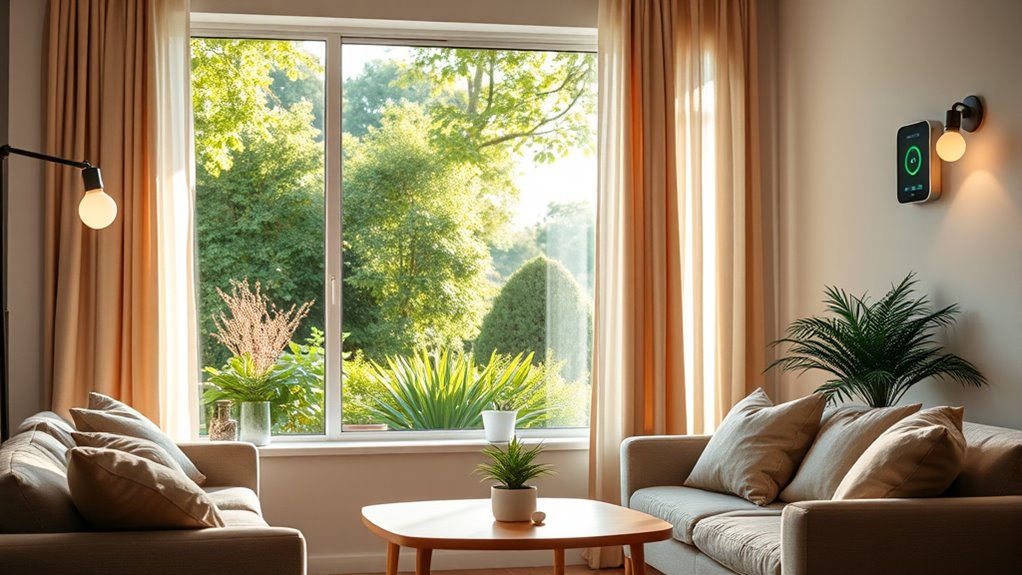
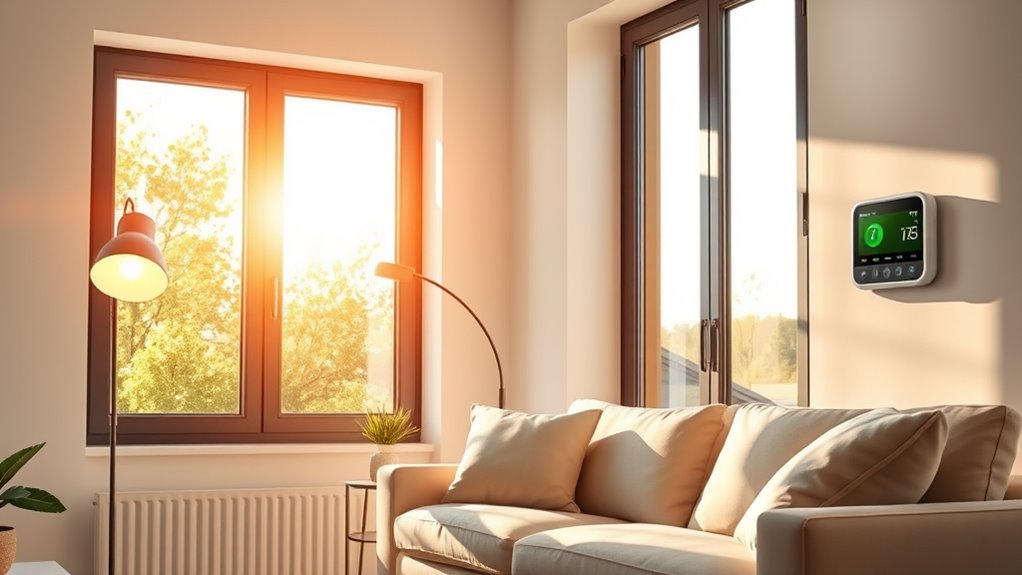
Making your home more energy-efficient not only reduces your utility bills but also helps protect the environment. One of the most effective ways to do this is by installing smart thermostats. These devices learn your schedule and preferences, adjusting your home’s temperature automatically to save energy when you’re away or asleep. With a smart thermostat, you can prevent unnecessary heating or cooling, ensuring your HVAC system runs only when needed. This not only lowers your energy consumption but also extends the lifespan of your heating and cooling systems, saving you money in the long run. Additionally, many smart thermostats allow you to control your home’s temperature remotely via smartphone apps, giving you greater flexibility and control over your energy use.
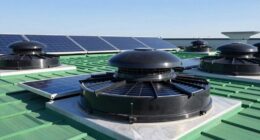
Another powerful step toward energy efficiency involves harnessing renewable energy sources. Installing solar panels on your roof can considerably cut down your reliance on traditional electricity, which often comes from fossil fuels. Solar energy is abundant and sustainable, and by generating your own power, you reduce your carbon footprint substantially. Plus, many governments and utility companies offer incentives or rebates for solar panel installations, making it more affordable to transition to renewable energy. As you invest in solar, you’ll likely see a decrease in your monthly electricity bills, and you’ll contribute to reducing greenhouse gas emissions. If installing solar panels isn’t feasible for your home, consider other renewable options like small wind turbines or solar water heaters, which can also help you become more energy independent. Incorporating hydrogen fuel cells in residential energy systems is an emerging option that can provide clean, efficient power for homes in the future. Exploring renewable energy options can further enhance your home’s energy efficiency and sustainability, especially when combined with energy-saving technologies. Additionally, advances in heat pump technology are making these systems even more efficient and accessible for homeowners.

BLAVOR Portable Power Station 1600W (Peak 3200W), Built-in Solar Panel, 1024Wh LiFePO4 Battery, 100W USB-C Fast Charge, Solar Generator for Home Backup, Camping, Power Outages & RV
【Unique Built-in Solar Panel】 BLAVOR portable power station features a foldable 40W solar panel, turning sunlight into clean...
As an affiliate, we earn on qualifying purchases.
Frequently Asked Questions
How Can I Measure My Home’s Current Energy Consumption Accurately?
To measure your home’s current energy consumption accurately, start with an energy audit, which identifies areas to improve. You can also monitor your utility meters regularly to track usage patterns. Keep a close eye on your bills and note any changes. Using smart meters or energy monitors provides real-time data, helping you understand how much energy you use daily. This information guides you in making smarter, more efficient choices.
What Are the Most Cost-Effective Upgrades for Energy Efficiency?
To find cost-effective upgrades, start with insulation improvements and window replacements. These upgrades reduce heat loss, lowering your energy bills over time. Insulation upgrades are affordable and can be done gradually, while new windows improve insulation and natural light. Both options offer quick returns on investment, making them ideal first steps toward increasing your home’s energy efficiency without breaking the bank.
How Do Smart Home Devices Impact Energy Savings?
Imagine you’re the captain of your smart ship, steering towards savings. Smart home devices, like smart thermostats and energy monitoring systems, help you control energy use efficiently. They learn your habits, optimize heating and cooling, and provide real-time data to reduce waste. This proactive approach lowers your energy bills and carbon footprint, making your home more eco-friendly. With these tools, you’re empowered to make smarter, greener choices every day.
Are There Government Incentives for Energy-Efficient Home Improvements?
You should definitely explore government incentives for energy-efficient home improvements. Many programs offer government grants and tax incentives that can help offset the costs of upgrades like insulation, solar panels, or energy-efficient appliances. These incentives make it more affordable for you to reduce your carbon footprint indoors. Check with local and federal agencies to find current programs, and take advantage of these financial benefits to make sustainable improvements.
How Does Indoor Air Quality Relate to Energy Efficiency Efforts?
Did you know that poor indoor air quality affects up to 30% of homes? Indoor air quality directly impacts your health and comfort. When you focus on ventilation improvements and air quality monitoring, you can reduce pollutants and moisture that cause mold. This not only creates a healthier living space but also enhances energy efficiency, as better ventilation minimizes the need for excess heating or cooling, saving you money and energy.

Portable Solar Generator, 300W Portable Power Station with Foldable 60W Solar Panel,110V Pure Sine Wave 280Wh Battery Power Pack with USB DC AC Outlet for Camping Smart Devices RV Van Outdoor-Orange
Portable Generator with 60W Solar Panel Included: with a big battery pack, ZeroKor 300W power stations Generator are...
As an affiliate, we earn on qualifying purchases.
Conclusion
Now that you’ve learned how small changes can make a big difference, imagine what further steps you could take. Every effort you make brings you closer to a greener, more sustainable home—and a healthier planet. But the real question is: are you ready to take that next step? The choices you make today could open a future you’ve yet to see. So, will you act now, or wonder what might have been?

DELLA Serena 22 SEER2 18000 BTU Smart Wifi Mini Split Heat Pump Works with Alexa, Energy Star 1.5 Ton Pre-Charged 230V Ductless AC Unit Inverter System for Rooms up to 1000Sq.Ft, 16.4ft Install Kit
Stay Cool, Stay Smart: Experience seamless smart home integration with Alexa/Google Home voice control or the DELLA app...
As an affiliate, we earn on qualifying purchases.
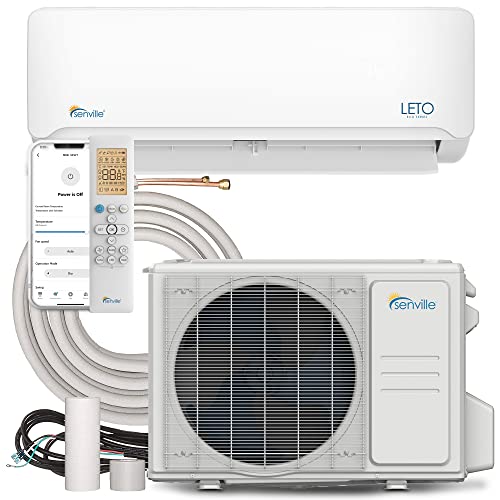
Senville LETO Series Mini Split Air Conditioner Heat Pump, 18000 BTU 208/230V, Inverter, Works with Alexa, SEER2 19, 1.5 Ton, White
Alexa Enabled Mini Split AC/Heating System: Integrate with voice control or app, allowing you to adjust your mini...
As an affiliate, we earn on qualifying purchases.