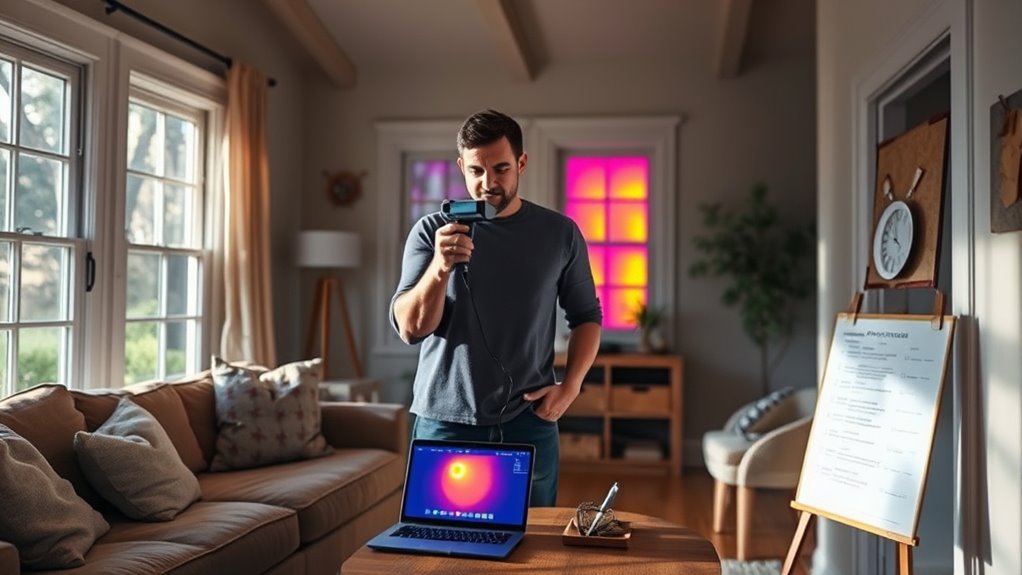

Start your home energy audit by inspecting insulation in your attic, walls, and floors, looking for gaps or damage and using thermal imaging if possible. Seal leaks around windows, doors, and outlets with weatherstripping or caulk. Check your appliances for efficiency, replacing outdated models with Energy Star-rated ones. Reduce electronics use and switch to LED bulbs. Taking these steps can markedly boost your home’s efficiency—keep exploring to learn more ways to save energy and money.
Key Takeaways
- Start with a thorough insulation inspection in attic, walls, and floors to identify gaps or compressed areas.
- Use thermal imaging or a flashlight to detect hidden leaks around windows, doors, and outlets.
- Evaluate appliance efficiency by checking age, energy labels, and maintaining or replacing outdated units.
- Seal leaks and drafts with weatherstripping, caulk, or expanding foam to improve conditioned air retention.
- Optimize lighting and electronics by switching to LED bulbs, unplugging unused devices, and using smart power strips.
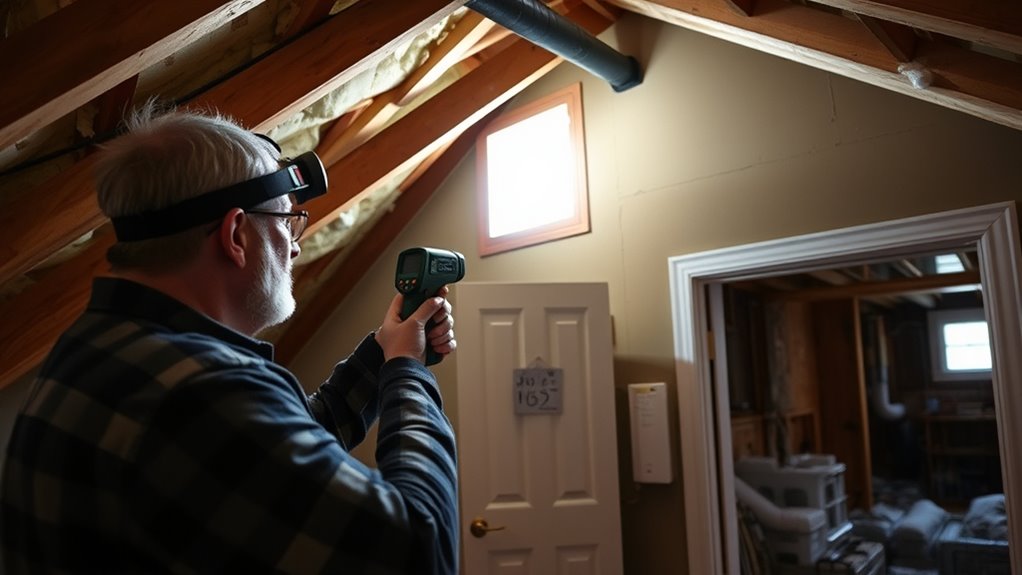
Wondering how to identify ways to save on energy costs at home? Conducting a home energy audit is a smart step toward uncovering inefficiencies and reducing your utility bills. One of the first things you should focus on is an insulation inspection. Proper insulation keeps your home warm in winter and cool in summer, but over time, it can settle or become damaged, creating gaps that allow heat to escape or enter. During the inspection, check the attic, walls, and floors for areas where insulation is thin or missing. Use a flashlight to look for gaps or compressed sections, and consider a thermal camera if you have access to one. Improving insulation in these areas can substantially cut down on heating and cooling costs. Advances in AI detection methods are also helping homeowners and professionals identify insulation issues more accurately through thermal imaging technology.
Conduct an insulation check to boost home comfort and cut energy bills effectively.
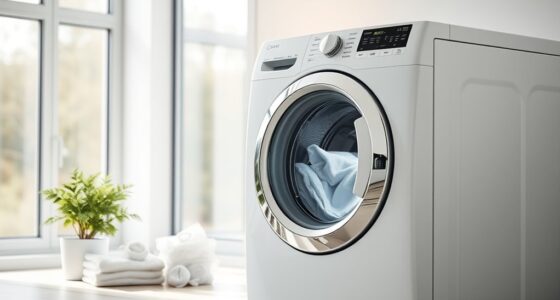
Next, evaluate your appliance efficiency. Old or poorly maintained appliances tend to consume more energy than newer, energy-efficient models. Start by making a list of major appliances like your refrigerator, furnace, water heater, and washer/dryer. Check their age; appliances over 10-15 years old are often less efficient and may be costing you more in energy bills. Look for Energy Star labels, which indicate the appliance meets energy efficiency standards. If your appliances are outdated, replacing them with newer models can save you money in the long run. Additionally, ensure your appliances are functioning properly—clean refrigerator coils, replace filters in your HVAC system, and fix any leaks or malfunctions. These small steps can improve their efficiency and reduce unnecessary energy consumption.
Another key aspect of your energy audit involves sealing leaks and drafts around your home. Gaps around windows, doors, and electrical outlets can let in cold drafts or let conditioned air escape, causing your HVAC system to work harder. Use weatherstripping, caulk, or expanding foam to seal these areas. Don’t forget to check your garage door and basement entries, as these are common sources of energy loss. Proper sealing complements your insulation inspection and ensures your home retains conditioned air more effectively.
Finally, take a close look at your lighting and electronics. Switch to LED bulbs—they use a fraction of the energy of incandescent bulbs—and unplug devices when not in use. Many electronics draw power even when turned off, a phenomenon called phantom load. Using power strips makes it easy to turn off multiple devices at once, saving energy and reducing costs. As AI technologies continue to evolve, smart home systems can now monitor and optimize energy usage more effectively, providing real-time insights to homeowners.
Frequently Asked Questions
How Often Should I Perform a Home Energy Audit?
You should perform a home energy audit every 1 to 3 years to keep your energy costs low and identify efficiency improvements. Regular audits allow you to do a cost analysis of upgrades, such as insulation or new windows, ensuring your home remains energy-efficient. Frequent assessments help you catch issues early, saving money and reducing your carbon footprint while maximizing comfort and efficiency.
Can I Do a Home Energy Audit Myself?
Think of a DIY assessment like a treasure hunt—you’re searching for hidden savings. Yes, you can do a home energy audit yourself! With some basic tools and energy saving tips, you’ll identify drafts and inefficiencies. Start by checking seals around windows and doors, then review your insulation. A thorough DIY assessment helps you spot easy fixes, saving money and energy without needing a professional.
What Tools Are Needed for a Home Energy Audit?
You’ll need a few key tools for your home energy audit. A thermal imaging camera helps identify heat leaks and insulation gaps, while a blower door test measures your home’s air tightness. Additionally, a flashlight, a smoke pencil or incense stick to detect drafts, and a calculator to estimate energy savings are useful. These tools enable you to pinpoint areas where your home loses energy and plan effective improvements.
How Long Does a Typical Home Energy Audit Take?
A typical home energy audit takes about 2 to 4 hours. During this time, you’ll review an inspection checklist, inspecting windows, doors, and insulation. You’ll identify areas where energy is wasted and receive personalized energy saving tips. The process is thorough, so expect some time for testing and discussion. By the end, you’ll have a clear plan to improve efficiency and lower your energy bills effectively.
Are Professional Energy Audits Worth the Cost?
Yes, a professional energy audit is worth the cost because it provides a thorough cost-benefit analysis of your home’s energy use, helping you save money long-term. You’ll want to check the auditor’s qualifications to verify quality assessment. Investing in a certified professional can identify key energy-saving opportunities you might miss on your own, making the expense worthwhile for improved comfort and lower utility bills.
Conclusion
Performing a home energy audit is like shining a flashlight into the dark corners of your house, revealing hidden leaks and inefficiencies. By taking these steps, you’re not only saving money but also helping the environment breathe easier. Think of it as tuning up your home’s engine—keeping everything running smoothly and efficiently. With a little effort, you can turn your house into a well-oiled machine, saving energy and creating a more comfortable living space.