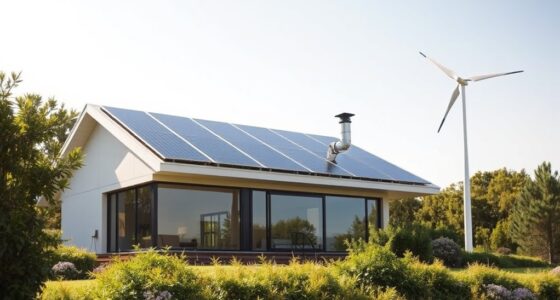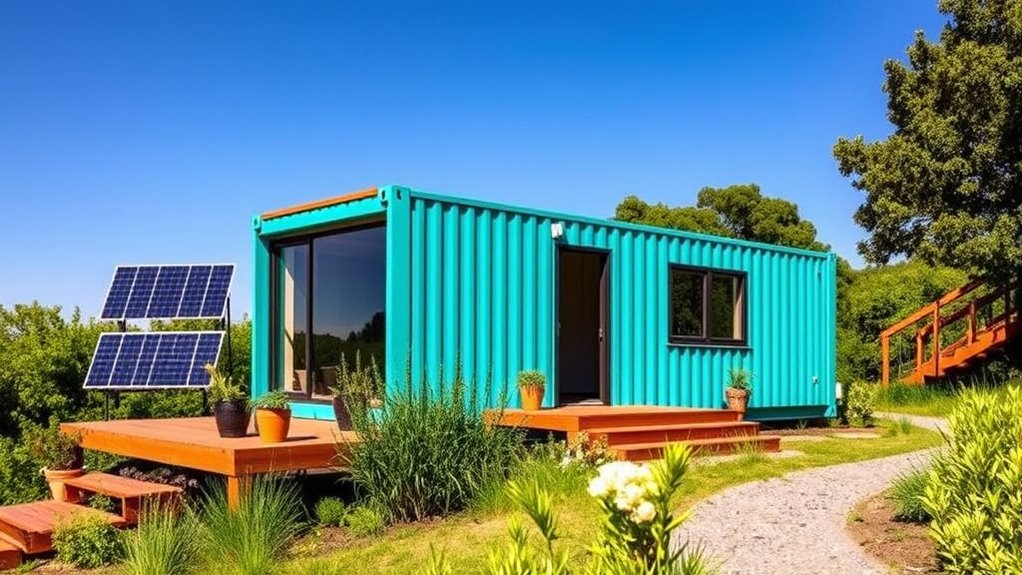

The shipping container home revolution is changing how you think about affordable, eco-friendly living. These durable, steel shells cost less, require less maintenance, and can be customized into stylish, modern spaces. Their modular design makes it easy to create anything from cozy tiny homes to spacious multi-story dwellings. With eco features like solar panels and rainwater harvesting, these homes are greener and more cost-effective. Stick around to discover how this innovative movement is reshaping the future of housing.
Key Takeaways
- Shipping container homes are revolutionizing affordable, sustainable housing with cost-effective, durable, and eco-friendly design features.
- Modular and customizable, they enable innovative architectural layouts for diverse living spaces.
- Eco-conscious features like solar panels and rainwater harvesting significantly reduce environmental impact and ongoing costs.
- Their steel construction offers long-term durability, minimizing maintenance and repair expenses over time.
- This movement promotes a shift toward smarter, eco-friendly housing solutions for communities worldwide.
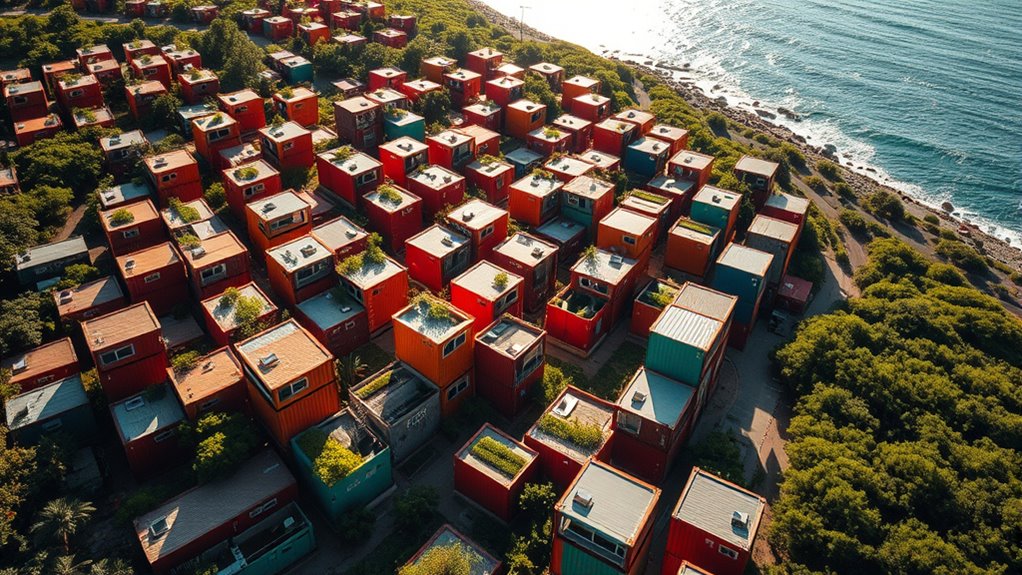
The shipping container home revolution is transforming the way people think about affordable and sustainable housing. You might not have expected that repurposing steel boxes could lead to groundbreaking changes in how we build and live. At the core of this movement is a focus on economic sustainability, making homeownership more accessible without sacrificing quality or comfort. Shipping containers are relatively inexpensive compared to traditional construction materials, which means you can create a durable, functional home without breaking the bank. This affordability opens doors for many who previously thought homeownership was out of reach, especially in urban areas where land and building costs skyrocket.
Shipping container homes make sustainable, affordable living accessible for everyone.
But beyond cost savings, what truly sets this revolution apart is architectural innovation. You’ll find that these containers serve as flexible, customizable building blocks. Architects and designers are pushing boundaries by transforming these steel shells into stylish, modern dwellings that blend form and function seamlessly. The modular nature of shipping containers allows you to experiment with different layouts, stacking them vertically or arranging them side by side to maximize space. This adaptability means you can create a tiny, efficient home or a sprawling, multi-story residence, all while maintaining a sleek, contemporary aesthetic. The challenge becomes turning what might seem like a box into a vibrant, inviting space—an endeavor that demands clever design and creativity.
This architectural innovation doesn’t stop at aesthetics. You’ll see containers being fitted with eco-friendly features like solar panels, rainwater harvesting systems, and insulation that keeps energy use low. These elements not only reduce your carbon footprint but also lower your ongoing expenses, contributing to the overall economic sustainability of your home. The combination of eco-conscious design and cost-effective construction makes shipping container homes appealing to a broad range of people seeking affordable, environmentally friendly living options.
Furthermore, because containers are built to withstand harsh conditions at sea, they’re inherently durable and resistant to pests, mold, and weather damage. This resilience translates into long-term savings, less maintenance, and peace of mind. You’ll appreciate how these qualities align with the principles of economic sustainability—less money spent on repairs and replacements over the years. As more communities embrace container homes, the innovation continues, leading to smarter, more efficient ways to build homes that are both affordable and environmentally responsible. This revolution isn’t just about repurposing steel; it’s about rethinking how we design spaces that are sustainable, cost-effective, and full of innovative potential. Embracing these durable materials also contributes to environmental sustainability, reinforcing the movement’s commitment to eco-friendly living.
Top picks for "shipp container home"
Open Amazon search results for this keyword.
As an affiliate, we earn on qualifying purchases.
Frequently Asked Questions
What Are the Initial Costs of Building a Container Home?
When you ask about the initial costs of building a container home, you should know that it varies based on size, design, and location. You’ll find a cost comparison useful for budget planning, as container homes often cost less than traditional builds. Expect to spend anywhere from $10,000 to $50,000 or more, depending on your choices. Planning wisely helps you stay within your budget while creating your dream home.
Are Container Homes Environmentally Sustainable Long-Term?
Like Icarus reaching for the sun, you might wonder if container homes are eco-friendly long-term. They often use sustainable materials, reducing your carbon footprint, and repurpose shipping containers, minimizing waste. This approach supports a greener future by lowering environmental impact. While they’re not perfect, their potential to be environmentally sustainable makes them a smart choice for eco-conscious living. You can truly make a positive difference with such innovative, sustainable homes.
How Do Zoning Laws Affect Container Home Construction?
You need to take into account how zoning restrictions and permit requirements impact your container home project. Local laws may limit where you can build, requiring specific permits or even outright bans in certain areas. It’s essential to research your local zoning laws early, so you can plan accordingly. By understanding these regulations, you can avoid costly delays and ensure your container home meets all legal requirements, making your build smoother and more successful.
Can Container Homes Be Expanded Easily Later?
Imagine your container home as a sturdy tree, ready to grow. With modular flexibility and thoughtful structural modifications, expanding your space becomes like adding new branches. You can stack, link, or extend containers, making renovations smoother. While some zoning laws may pose challenges, planning ahead guarantees your home can evolve as your needs change, turning a compact start into a sprawling sanctuary without sacrificing strength or style.
What Are Common Challenges Faced During Construction?
During construction, you might face common challenges like foundation issues, which require careful planning and proper support to prevent shifting or instability. Insulation solutions can also be tricky; you need effective materials to maintain temperature and reduce noise. Addressing these issues early guarantees your container home is durable and comfortable, avoiding costly fixes later. With attention to foundation and insulation, you can build a sturdy, energy-efficient space that meets your needs.
Conclusion
So, here you are, marveling at these sleek, eco-friendly homes made from old shipping containers. Who would’ve thought that something so overlooked could spark such a revolution? It’s ironic, really—these massive steel boxes, once just cargo, now transform into charming homes, proving that sometimes, the biggest innovations come from the most unexpected places. So, next time you see a shipping container, remember: it might just be the future of housing hiding in plain sight.