To electrify your kitchen without a full remodel, start by evaluating your current electrical system and consult a professional electrician to ensure it can handle new energy-efficient appliances like induction cooktops and smart ovens. Upgrade wiring and outlets if needed for safety and performance. Focus on installing high-Energy Star-rated devices with built-in safety features, and have your electrician verify everything works correctly. Keep exploring to discover detailed steps that make this switch seamless and safe.
Key Takeaways
- Assess your current electrical system’s capacity and consult a professional electrician for safety and compatibility.
- Choose energy-efficient, modern appliances like induction cooktops and electric ranges with safety features.
- Upgrade wiring and install dedicated outlets as needed, handled by licensed electricians for safe, code-compliant setup.
- Test all new installations thoroughly, ensuring proper operation and safety features are functional.
- Maintain appliances regularly and consider safety enhancements to optimize performance and longevity.
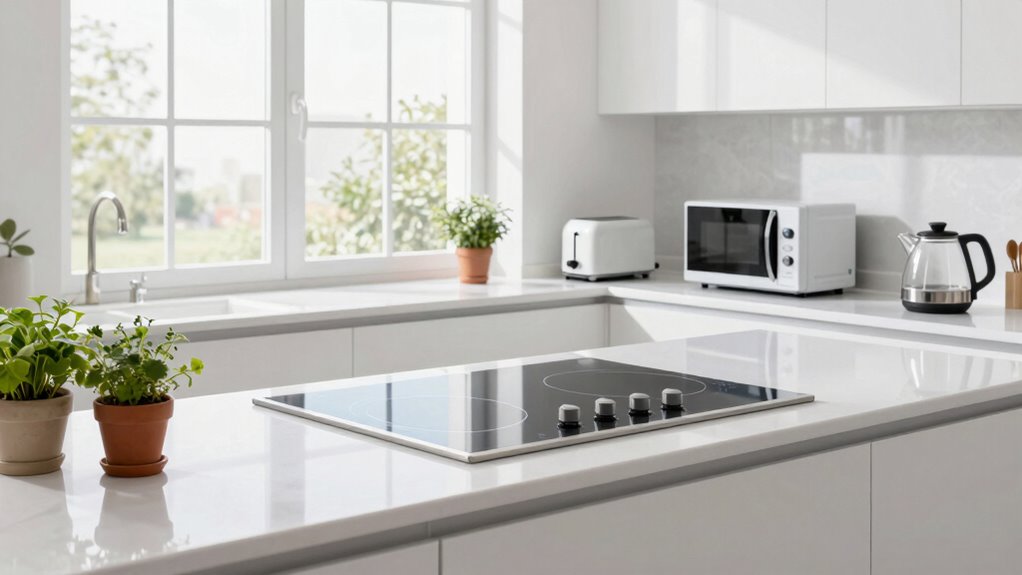
If you’re considering upgrading your kitchen, electrification offers a modern, efficient, and cleaner alternative to traditional gas appliances. Moving from gas to electric can significantly improve your kitchen’s energy efficiency, especially if you choose energy-efficient appliances. These appliances use less power to perform the same tasks, which can lower your utility bills and reduce your carbon footprint. Plus, electric appliances tend to be more versatile and easier to operate, giving you more control over your cooking experience. Additionally, choosing the right home theatre projectors can enhance your entertainment space, making it more enjoyable for family and friends. However, safety considerations are essential when making this switch. You need to make sure your electrical system can handle the increased load, so consulting a professional electrician is a smart first step. They can assess your current wiring, upgrade your circuits if necessary, and help you select the right appliances for your space. Installing energy-efficient appliances also means paying attention to safety features, such as proper grounding, surge protection, and child safety locks, to prevent accidents and electrical hazards.
Electrify your kitchen safely with professional wiring upgrades and energy-efficient appliances.
Once you’ve evaluated your electrical capacity, you can start selecting your new appliances. Focus on energy-efficient models with high ENERGY STAR ratings, which guarantee top-tier performance while consuming less electricity. For example, replacing an old stove with an induction cooktop or an electric range can dramatically improve your cooking efficiency. These appliances heat up faster and maintain precise temperatures, making cooking safer and more predictable. When shopping, look for features that enhance safety, such as cool-touch surfaces, automatic shut-off, and error alerts. These features minimize risks like burns or electrical fires, giving you peace of mind during daily use.
Upgrading your wiring might involve replacing outdated circuits or adding dedicated outlets for your new appliances. While this can seem intimidating, a licensed electrician can handle all the heavy lifting swiftly and safely. Proper wiring is essential to ensure your appliances operate efficiently and to minimize safety concerns. Once everything is installed, test your new setup carefully. Make sure appliances are functioning correctly, and verify that safety features are working as intended. Keep your appliances clean and well-maintained to prolong their lifespan and ensure safe operation over time.
Incorporating energy-efficient appliances not only transforms your kitchen into a safer, more eco-friendly space but also makes your daily routines more convenient. By paying attention to safety considerations and leveraging professional help, you can confidently electrify your kitchen without the need for a full remodel. This upgrade enhances your home’s value, reduces your environmental impact, and provides a more modern, safer cooking environment for years to come.

Nuwave Double Pro Cooktop Induction Countertop Burner, Portable, 900/1500/1800W with Dynamic Watt Technology, 50°F to 575°F, 8” Heating Coil, Shatter-Proof Ceramic Glass, Seamless IMD Touch Panel
FAST & EFFICIENT COOKTOP – Induction cooking eliminates open flames and heats only the pan, keeping the surrounding…
As an affiliate, we earn on qualifying purchases.
As an affiliate, we earn on qualifying purchases.
Frequently Asked Questions
What Are the Cost Differences Between Electric and Gas Appliances?
You’ll find that electric appliances generally have a higher upfront cost than gas ones, but their appliance efficiency often leads to lower operating expenses over time. The cost comparison varies based on energy prices in your area, with electric options sometimes costing more initially but saving you money long-term. Consider both installation costs and ongoing energy bills to determine which appliance type offers better value for your needs.
How Do I Ensure Electrical Safety During Upgrades?
You guarantee electrical safety during upgrades by checking grounding safety and avoiding circuit overloads. Always verify that your outlets are properly grounded before installing new appliances, and use a circuit breaker to prevent overloads. Never skip a professional inspection of your wiring, and consider installing surge protectors. These steps help protect you from electrical hazards, ensuring a safer kitchen environment as you modernize your appliances.
Can I Electrify My Kitchen Without Professional Help?
You can electrify your kitchen without professional help, but it’s a risky adventure that can turn into a disaster if you’re not careful! Before diving in, consider DIY considerations like understanding your appliances’ compatibility and guaranteeing your electrical system can handle the upgrades. While it’s tempting to skip the pros, consulting a licensed electrician for safety checks and guidance ensures your project’s success and keeps your kitchen safe and efficient.
What Permits Are Needed for Electrical Modifications?
You’ll need to check your local building codes and obtain the necessary permits for electrical modifications. The permit process involves submitting plans and possibly scheduling inspections to guarantee your work meets electrical codes. Skipping permits can lead to fines or safety issues later. Contact your city or county’s building department to get specific requirements, and remember, following the permit process helps ensure your kitchen’s electrical upgrades are safe and compliant.
How Long Does the Electrification Process Typically Take?
The electrification process usually takes anywhere from a few days to a couple of weeks, depending on your home’s existing electrical system and the scope of upgrades. You’ll want to coordinate with your electrician for an accurate installation timeline and upgrade scheduling. They’ll handle the planning, permit approvals, and installation, ensuring the process moves smoothly. Keep in mind, some delays might occur if additional permits or inspections are needed.

Avanti Electric Range Oven Compact Design, 2.1-Cu.Ft. Capacity with 4 Coil Burners, Framed Glass Oven Door, Storage Drawer and Broiler with Pan Perfect for Apartments, 20-Inch, Stainless Steel
SPACIOUS 2.1 CU. FT. CAPACITY: Perfect for baking, roasting, and broiling in small kitchens, apartments, RVs, and tiny…
As an affiliate, we earn on qualifying purchases.
As an affiliate, we earn on qualifying purchases.
Conclusion
By electrifying your kitchen, you’re not just upgrading your appliances—you’re igniting a new energy within your space. Think of this transformation as planting seeds for innovation and efficiency, nurturing a future where every meal cooked is a spark of creativity. Embrace this change as a symbol of progress and growth, lighting the way toward a smarter, more sustainable home. Your kitchen becomes a beacon, illuminating the path to endless possibilities.
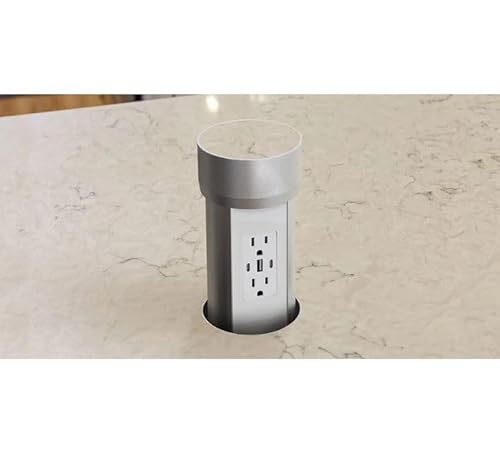
Kitchen Countertop Hidden Power Outlet w/USB, Motorized Pop Up, Custom Top Compatible (Silver, 15 Amp)
"Hidden" Installation – Uses Your Countertop as the lid
As an affiliate, we earn on qualifying purchases.
As an affiliate, we earn on qualifying purchases.

Appliance Extension Cord with Individual Switches on Off – 5 FT, 14 Gauge Heavy Duty Extension Cord with USB Ports, 8 outlets, High Wattage for Microwave, Workbench, Kitchen, Garage Must Have
【Large Power Strip with Switch】-The high power extension cord converts a standard wall outlet into four 3 prong…
As an affiliate, we earn on qualifying purchases.
As an affiliate, we earn on qualifying purchases.