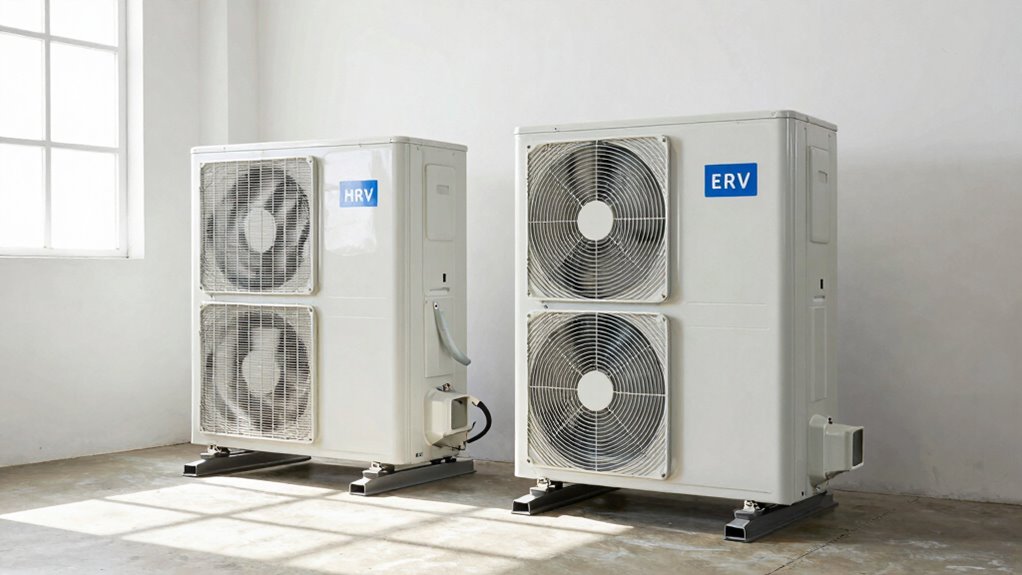

Choosing between an HRV and an ERV depends on your climate. If you live in a cold, dry area, an HRV helps conserve heat and improve indoor air quality efficiently. In hot, humid environments, an ERV manages moisture and prevents mold growth while saving energy. Consider your local weather and overall moisture control needs. Keep exploring to discover which system best suits your home and long-term comfort.
Key Takeaways
- HRVs are ideal for cold, dry climates to conserve heat and improve energy efficiency during winter.
- ERVs suit hot, humid environments by transferring moisture and controlling indoor humidity levels.
- HRVs have lower installation costs and are simpler, making them suitable for colder regions.
- ERVs help prevent mold and maintain comfort in humid or seasonal climates by managing moisture.
- Choose based on your climate, moisture needs, and long-term energy savings for optimal indoor air quality.
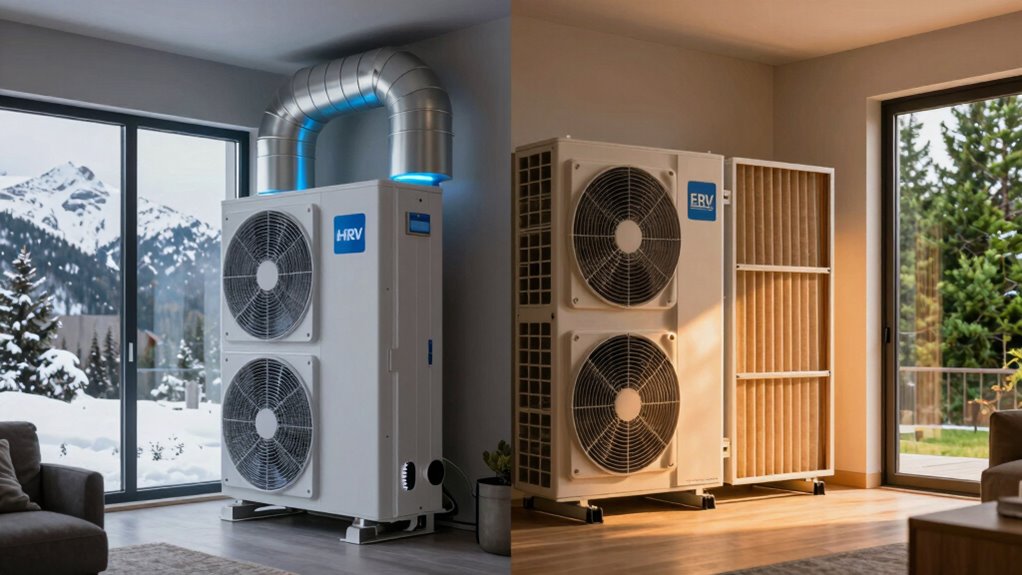
Have you ever wondered how your lungs manage air during breathing? The same curiosity applies when choosing ventilation systems for your home. Two popular options are Heat Recovery Ventilators (HRVs) and Energy Recovery Ventilators (ERVs). Understanding how each system works and which one suits your climate can substantially impact your comfort, energy bills, and indoor air quality. When comparing HRV vs ERV, one of the key considerations is energy efficiency. Both systems are designed to exchange stale indoor air with fresh outdoor air while preserving heat, but they do so differently. HRVs focus primarily on transferring heat between incoming and outgoing air streams, making them highly energy-efficient in colder climates. They help retain warmth during winter, reducing heating costs. ERVs, on the other hand, transfer both heat and humidity. This dual transfer makes them particularly suitable for climates with high humidity or significant seasonal variations, as they help maintain balanced indoor humidity levels while conserving energy.
Installation costs are another essential factor in deciding between HRV and ERV. Generally, HRVs tend to have lower installation costs because they are simpler in design and require fewer components to handle moisture transfer. If you’re on a tight budget or looking for a system mainly to improve ventilation without extensive humidity control, an HRV might be the more economical choice. ERVs, however, can be somewhat more expensive initially due to their additional moisture transfer capabilities and more complex components. But in regions with high humidity or where controlling indoor moisture is critical, the extra investment can pay off by reducing the need for dehumidifiers or other moisture management devices, ultimately saving you money in the long run. Moreover, understanding the ventilation system’s efficiency can help optimize energy use and indoor air quality over time.
Your climate plays an essential role in this decision. If you’re in a cold, dry area, an HRV’s ability to conserve heat makes it an excellent option, helping you save on heating costs while maintaining good air quality. Conversely, if you live in a hot, humid environment, an ERV’s capacity to transfer moisture can prevent mold growth and maintain comfortable indoor humidity levels, making it more suitable despite its higher upfront costs. Both systems require proper installation to work efficiently, so consulting with a professional who understands your local climate and your home’s specific needs is worthwhile. Remember, investing in the right ventilation system enhances energy efficiency, improves indoor air quality, and can even contribute to overall comfort. Choosing between HRV and ERV isn’t just about initial costs; it’s about selecting a system that aligns with your climate and lifestyle, ensuring your home remains a healthy, comfortable space year-round.
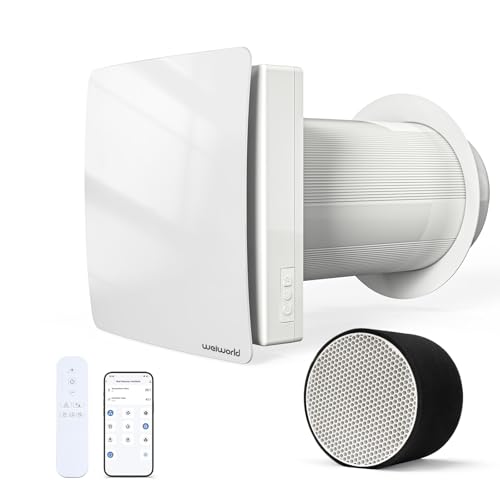
Weiworld Heat Recovery Ventilator with Ceramic Heat Exchanger, Wall-Mounted Fresh Air System with WiFi/Remote Control for Home, Attic, Garage – Supply, Exhaust & Recirculation Ventilation Fan
Heat Recovery Ventilator (HRV) for single room ventilation: Equipped with a high-efficiency ceramic heat exchanger that recovers up…
As an affiliate, we earn on qualifying purchases.
As an affiliate, we earn on qualifying purchases.
Frequently Asked Questions
How Do HRV and ERV Systems Impact Allergy Sufferers?
You’ll notice that HRV and ERV systems improve air quality and allergen control, making your home healthier. They filter out pollen, dust, and other allergens, reducing allergy symptoms. ERVs also manage humidity, which can prevent mold growth, while HRVs focus on heat recovery. Both systems guarantee fresh air circulation, helping you breathe easier and maintain a comfortable environment, especially if you suffer from allergies or respiratory issues.
Can HRV and ERV Systems Be Integrated With Smart Home Technology?
Did you know over 70% of smart homes now feature integrated systems? You can easily connect HRV and ERV systems with smart home technology, enhancing automation potential. With compatible devices, you can control ventilation remotely, schedule airflow, and optimize indoor air quality automatically. This integration makes managing your home’s ventilation seamless and efficient, giving you better comfort and energy savings without manual adjustments.
What Maintenance Is Required for HRV and ERV Units?
You need to regularly maintain your HRV or ERV units by replacing filters every 3-6 months to keep airflow clean and efficient. Additionally, you should perform system calibration annually to ensure peak performance. Check for dust buildup, clean internal components, and inspect for any wear or damage. Proper maintenance prolongs system lifespan, improves air quality, and keeps your ventilation running smoothly.
Are HRV or ERV Systems Suitable for High-Humidity Environments?
Think of your home like a boat sailing through humid waters—you need the right equipment to stay afloat. HRV systems excel at humidity control by reducing excess moisture, making them suitable for high-humidity environments. ERVs, however, help balance humidity levels by transferring moisture, offering better air filtration. Choosing between them depends on your specific climate needs, but both can effectively manage humidity when properly maintained.
How Do Initial Costs Compare Between HRV and ERV Systems?
You’ll find that initial installation costs for HRV systems are typically lower than ERV systems, making them more budget-friendly upfront. However, when considering long-term expenses, ERVs might save you money through better energy efficiency in humid climates. It’s important to weigh installation costs against ongoing energy bills and maintenance, ensuring you choose a ventilation system that fits both your budget today and your long-term comfort.
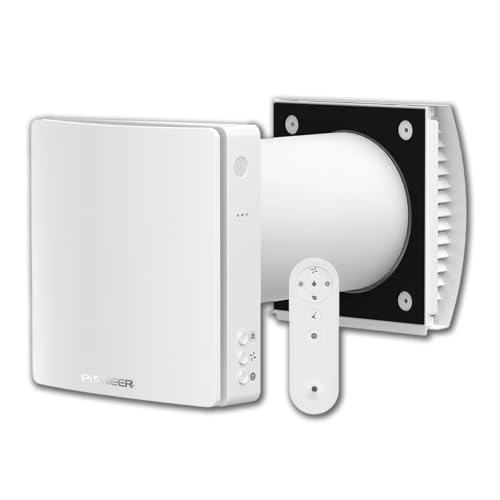
Pioneer ECOasis 50 Ductless Energy Recovery Ventilator
Ultra High Efficiency ECOasis ERV-rm Series Ductless Energy Recovery Ventilation System with 97% Heat Recovery| Minimal Energy Consumption…
As an affiliate, we earn on qualifying purchases.
As an affiliate, we earn on qualifying purchases.
Conclusion
Choosing between HRV and ERV depends on your climate, but did you know that homes with proper ventilation can reduce indoor pollutants by up to 60%? If you live in colder regions, an HRV might be your best bet, while ERVs excel in humid climates. Ultimately, selecting the right system improves air quality and energy efficiency. So, consider your climate needs carefully—your health and comfort depend on it.

Guide for Resilient Energy Systems Design in Hot and Humid Climates
As an affiliate, we earn on qualifying purchases.
As an affiliate, we earn on qualifying purchases.

VIVOSUN M4 4-Inch Inline Duct Fan, 195 CFM Ventilation Fan with EC Motor, Adjustable Speed, Energy-efficient Vent Blower for HVAC, Grow Tent, Hydroponics
Efficient and Quiet Ventilation: The PWM-controlled EC motor and mixed-flow design deliver powerful, quiet, and energy-efficient performance; Operating…
As an affiliate, we earn on qualifying purchases.
As an affiliate, we earn on qualifying purchases.