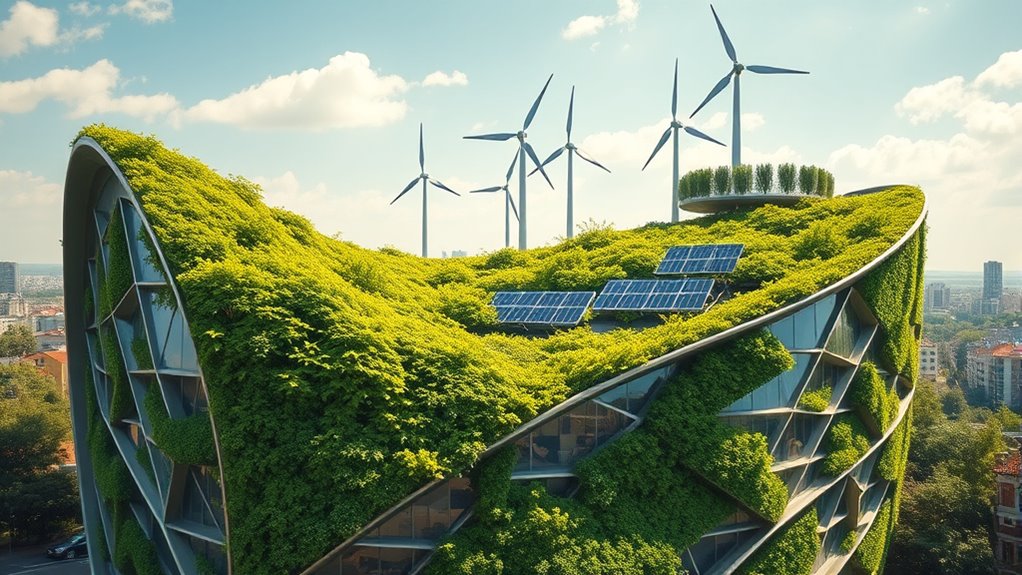

The future of green design focuses on integrating eco-friendly materials, renewable energy sources like solar and wind, and passive design strategies to minimize energy use. Advanced building systems and certifications ensure sustainability, while smart technologies and innovative solutions create resilient, healthier spaces. These trends help reduce environmental impact and promote long-term sustainability. If you keep exploring, you’ll discover how these innovations are shaping tomorrow’s sustainable living and working environments.
Key Takeaways
- Increasing adoption of eco-friendly materials like reclaimed wood and recycled metals to promote circular economies.
- Integration of renewable energy sources such as solar panels and wind turbines for sustainable power generation.
- Implementation of passive design strategies that optimize natural light, airflow, and insulation to reduce energy consumption.
- Use of advanced green building systems and certifications to ensure environmental performance and operational efficiency.
- Emphasis on innovative, smarter building practices that combine eco-conscious choices for resilient, future-ready spaces.

Have you noticed how sustainable design is transforming the way we build and decorate our spaces? It’s no longer just about aesthetics; it’s about making a positive impact on the environment. One of the most exciting shifts is the increased use of eco-friendly materials. Instead of traditional, resource-heavy options, designers now prioritize materials that reduce waste, lower carbon footprints, and promote health. Think bamboo flooring, recycled metal fixtures, and reclaimed wood. These materials not only look great but also support a circular economy, encouraging us to reuse and repurpose rather than constantly extract new resources. As you explore sustainable options for your space, consider how eco-friendly materials can contribute to a healthier environment and a more stylish, innovative aesthetic.
Another key trend shaping the future of green design is renewable energy integration. It’s becoming easier and more affordable to incorporate solar panels, wind turbines, and other renewable sources into residential and commercial buildings. Imagine your home or office seamlessly harnessing sunlight to generate electricity, reducing your reliance on fossil fuels. This isn’t just about lowering energy bills; it’s about actively participating in a cleaner, more sustainable future. With advances in technology, renewable energy systems are becoming more efficient, less intrusive, and easier to install. You can even integrate smart energy management systems to optimize usage, ensuring your space consumes power only when necessary. This shift not only benefits the environment but also empowers you to take control of your energy consumption, making your space both eco-conscious and cost-effective.
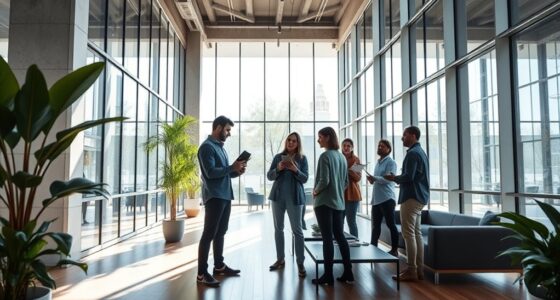
Beyond just using eco-friendly materials and renewable energy, sustainable design is increasingly focusing on passive strategies that maximize natural light, airflow, and insulation. These approaches help reduce energy needs without sacrificing comfort. For instance, designing buildings with large, strategically placed windows or using shading devices can minimize heating and cooling demands. As you consider redesigning or building, think about how you can blend these passive techniques with renewable energy solutions to create a space that’s both resilient and environmentally responsible. Incorporating passive design strategies can significantly enhance energy efficiency and comfort in your space. Additionally, embracing integrated building systems that coordinate various sustainable technologies can further optimize overall performance and reduce operational costs. Incorporating green building certifications can also serve as a benchmark for sustainable standards, assuring you of the quality and eco-friendliness of your project. Incorporating renewable energy sources is a crucial step in achieving a truly sustainable and energy-efficient design. Furthermore, implementing cybersecurity measures into smart building systems ensures that these innovations remain protected from potential cyber threats, safeguarding your sustainable investments.
In the end, the future of green design is about smarter choices and innovative thinking. It’s about integrating eco friendly materials and renewable energy sources into every aspect of your space. These trends aren’t just fleeting; they’re shaping a new standard for how we live and work sustainably. By embracing these innovations, you’re not only improving your environment but also contributing to a more sustainable world for generations to come.

BLAVOR Portable Power Station 1600W (Peak 3200W), Built-in Solar Panel, 1024Wh LiFePO4 Battery, 100W USB-C Fast Charge, Solar Generator for Home Backup, Camping, Power Outages & RV
【Unique Built-in Solar Panel】 BLAVOR portable power station features a foldable 40W solar panel, turning sunlight into clean...
As an affiliate, we earn on qualifying purchases.
Frequently Asked Questions
How Will Green Design Influence Urban Planning in the Next Decade?
You’ll see green design shaping urban planning by integrating green infrastructure like parks and permeable pavements, making cities more sustainable. Eco-friendly architecture will become standard, reducing energy use and pollution. You’ll notice more buildings designed with natural materials and energy-efficient systems. This shift will create healthier, more resilient urban spaces, encouraging communities to adopt sustainable practices and foster environmental awareness in everyday life.
What Role Do Governments Play in Promoting Sustainable Innovation?
You see, governments play a vital role in promoting sustainable innovation through policy support and funding initiatives. They set regulations that encourage eco-friendly practices and invest in research and development. By providing grants and incentives, they make it easier for businesses and communities to adopt green solutions. Your involvement can help push for stronger policies, ensuring that sustainable innovation becomes a mainstream priority in your region.
How Can Small Businesses Adopt Green Design Principles Effectively?
You can adopt green design principles by starting with eco-friendly packaging solutions that reduce waste and appeal to eco-conscious consumers. Incorporate renewable energy integration into your operations to lower your carbon footprint and enhance sustainability. Focus on practical steps like sourcing sustainable materials and optimizing energy use. Small changes can make a big difference, helping your business stay competitive while supporting environmental health.
What Are the Challenges in Scaling Sustainable Materials Production?
Did you know that global sustainable material production grew by over 8% annually before 2023? Scaling these materials faces challenges like complex supply chains and regulatory hurdles. You often encounter inconsistent standards and lengthy approval processes, which slow down growth. To overcome these, you need to streamline supply chains and advocate for clearer, more supportive regulations. Addressing these issues is key to making sustainable materials more accessible and affordable for your business.
How Will Consumer Behavior Impact Future Green Design Trends?
Your consumer habits and eco-conscious choices will considerably shape future green design trends. As more people prioritize sustainability, you’ll see designers and companies adopting eco-friendly materials and innovative practices to meet this demand. Your preference for sustainable products encourages brands to innovate and scale green solutions. By making eco-conscious choices, you directly influence a shift toward more sustainable, environmentally responsible designs that align with your values and support ongoing green innovation.

Ethical Mattress CO 10" Toxin-Free Hybrid Mattress, Made in the USA with Organic Cotton, Wool, Latex & Pocketed Coils (No Fiberglass or Polyfoams) Comfortable & Supportive Bed-in-Box - King Size
TOXIN-FREE – this mattress contains no petrochemical polyfoams, no fiberglass, no toxic flame retardants, and as of January...
As an affiliate, we earn on qualifying purchases.
Conclusion
You’re on the brink of a revolution that will transform every corner of your world. Green design isn’t just a trend—it’s the unstoppable force shaping the future, turning ordinary spaces into extraordinary eco-havens. With every innovative idea, you’re riding the wave of sustainability that will reshape the planet’s destiny. Embrace these trends now, because the future of sustainable innovation is so powerful, it’ll make history and change lives—starting with yours.

Jackery Solar Generator 300, 293Wh Backup Lithium Battery with 1XSolar Panel SolarSaga 100W Air, 110V/300W Pure Sine Wave AC Outlet for RV Outdoors Camping Travel Blackout
SPEED UP YOUR RECHARGEABILITY: It takes only 2 hours to recharge 80% battery of the power station through...
As an affiliate, we earn on qualifying purchases.
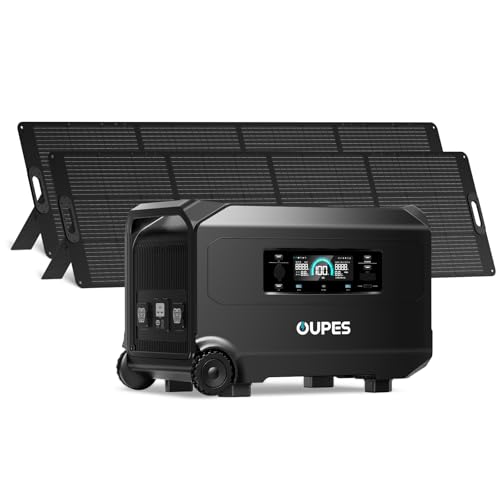
OUPES Guardian 6000 Solar Generator Kit: 4608Wh Power Station with 6000W Output (7200W Boost), 120V/240V Dual Voltage, 2x240W Solar Panels for Off-Grid Home Backup & Emergency Power
COMPLETE SOLAR POWER SYSTEM includes Guardian 6000 power station (4608Wh) and two high-efficiency 240W solar panels for immediate...
As an affiliate, we earn on qualifying purchases.