A transfer switch automatically safely disconnects your home from the utility grid when your generator powers your house, preventing backfeed and ensuring code compliance. An interlock kit, on the other hand, mechanically prevents you from activating utility and generator breakers at the same time, offering a simpler and more affordable safety measure. Both improve safety, but a transfer switch provides a more extensive solution. To find out which option suits your needs best, keep exploring the details.
Key Takeaways
- Transfer switches fully isolate your home from the grid and are often required by code for larger generators.
- Interlock kits are simpler, cost-effective, mechanical devices that prevent simultaneous utility and generator breaker operation.
- Transfer switches provide automatic, professional-grade disconnection, enhancing safety during power outages.
- Interlock kits can be DIY-installed but may offer less comprehensive protection and require local regulation checks.
- Both options require proper installation and maintenance; consulting a licensed electrician ensures safe, code-compliant setup.
When choosing a backup power solution for your home or business, understanding the differences between a transfer switch and an interlock kit is essential. Both options help you connect a generator safely to your electrical system, but they serve different purposes and have different safety implications. Generator safety is a top priority, and selecting the right device ensures you stay compliant with electrical code requirements while protecting yourself and utility workers from backfeed hazards.
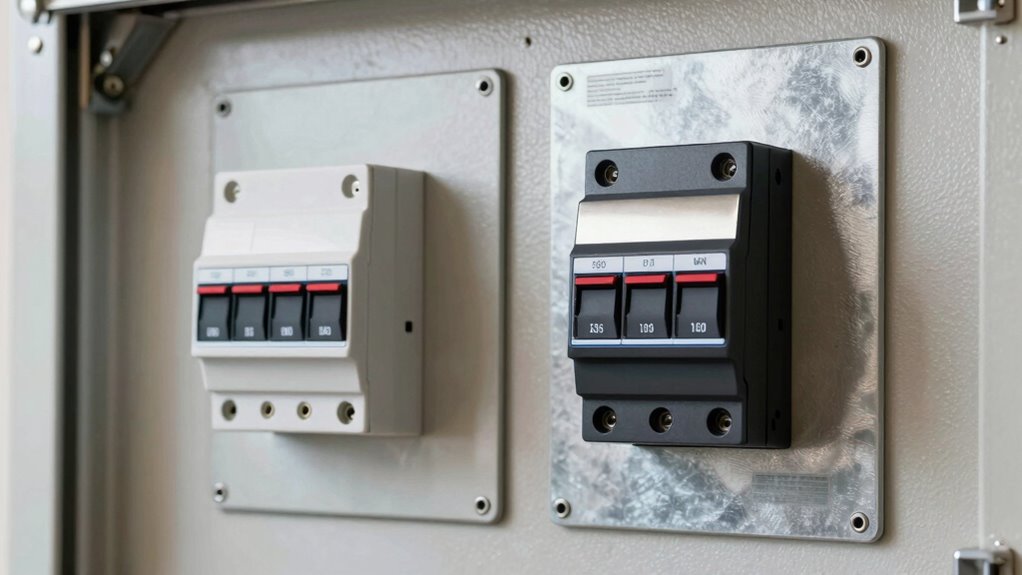
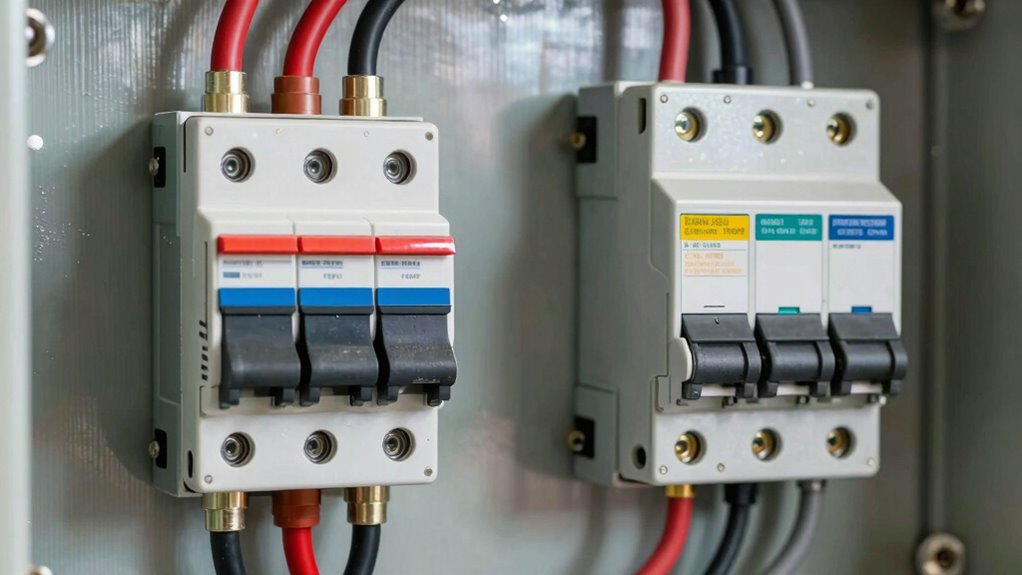
A transfer switch is a dedicated device installed near your main electrical panel. It allows you to switch your power source from the utility to your generator with a simple control. Because transfer switches are wired directly into your electrical system, they provide a high level of safety and code compliance. They automatically disconnect your home from the grid when the generator is in use, preventing dangerous backfeed conditions that could endanger utility workers or damage your equipment. Many jurisdictions require transfer switches by law, especially for larger generators, because they uphold generator safety standards and comply with electrical code. Installing a transfer switch typically involves a professional electrician, who ensures the system is wired correctly and meets all safety standards.
Additionally, proper installation and maintenance are critical to ensuring your backup power system remains safe and reliable over time.
On the other hand, an interlock kit is a more straightforward, often less expensive option that attaches to your existing breaker panel. It works by physically preventing you from turning on both your utility and generator breakers at the same time. This simple mechanical device ensures that your generator’s power doesn’t backfeed into the utility lines. However, because it’s not a dedicated transfer switch, it may not be as exhaustive in ensuring safety or complying with electrical code in all areas. Interlock kits are generally easier for a competent DIYer to install, but you should always verify local regulations before proceeding. Remember, even with an interlock kit, you must follow proper generator safety procedures to avoid accidental backfeed or overload situations.
Choosing between a transfer switch and an interlock kit depends on your specific needs, budget, and local electrical code requirements. A transfer switch offers a safer, code-compliant setup by fully isolating your home from the grid during generator operation. Meanwhile, an interlock kit provides a simpler, cost-effective solution that still enhances safety by preventing simultaneous utility and generator power. Regardless of your choice, always prioritize proper installation and maintenance, and consider consulting a licensed electrician. Doing so ensures your backup power system operates safely, reliably, and in full compliance with electrical standards, giving you peace of mind during power outages.
Frequently Asked Questions
Can I Install a Transfer Switch or Interlock Kit Myself?
You can attempt DIY installation of a transfer switch or interlock kit, but safety considerations are vital. If you’re experienced with electrical work, you might manage it carefully, following all local codes and manufacturer instructions. However, for most homeowners, hiring a licensed electrician is the safest choice. Proper installation ensures your home’s safety and prevents potential electrical hazards during power outages. Never compromise safety for the sake of DIY convenience.
What Is the Cost Difference Between a Transfer Switch and an Interlock Kit?
Think of the installation costs like investing in a sturdy bridge. A transfer switch typically costs more upfront—ranging from $500 to $2,000—due to its complexity, while interlock kits are more budget-friendly, often under $300. Although the initial expense is higher with a transfer switch, it offers long-term savings through increased safety and reliability, making it a smarter investment over time.
Are Transfer Switches Compatible With All Generator Types?
Transfer switches are generally compatible with most generator types, but you should check generator compatibility and electrical standards first. Confirm the transfer switch matches your generator’s power capacity and type (gas, propane, etc.). Verify that it meets local electrical standards to ensure safe operation. Consulting a professional can help you select a transfer switch that integrates seamlessly with your generator, providing reliable backup power while maintaining safety and compliance.
Do Local Codes Require Professional Installation for These Devices?
Yes, local codes often require professional installation for transfer switches and interlock kits to guarantee safety and compliance. You should check your local code requirements before installing these devices. Hiring a licensed electrician guarantees proper setup, reduces risks, and helps you avoid potential violations. Professional installation also ensures that your system operates correctly during power outages, giving you peace of mind and safeguarding your home and loved ones.
How Often Should I Inspect or Maintain My Transfer Switch or Interlock Kit?
You should inspect your transfer switch or interlock kit at least once a year to keep everything running smoothly. Regular maintenance tips include checking for signs of wear, tightening connections, and testing the device’s operation. While inspections can be straightforward, following a routine helps prevent issues and guarantees safety. If anything looks unusual, don’t hesitate to consult a professional to keep your system reliable and your home protected.
Conclusion
Choosing between a transfer switch and an interlock kit is like picking the right shield for your home’s safety battlefield. Both protect you during outages, but the transfer switch acts like a vigilant gatekeeper, offering seamless control. Think of the interlock kit as a sturdy lock, simple yet effective. Whichever you choose, remember—it’s your home’s safety net. Equip it wisely, and you’ll weather any storm with confidence, turning power outages from chaos to calm.