Maintaining high water quality is key to successful hydroponic gardening. You need to monitor and adjust pH levels regularly, aiming for a range of 5.5 to 6.5, to keep nutrients available for your plants. Be aware of your water source’s mineral content and treat it if necessary, using distilled or RO water when possible. Keeping tabs on water conditions helps prevent deficiencies and toxicities, boosting plant health and yield. If you stay vigilant, you’ll discover valuable tips to optimize your system further.
Key Takeaways
- Regularly test water pH and nutrient levels to ensure optimal conditions for plant growth.
- Maintain pH within 5.5 to 6.5 to maximize nutrient availability.
- Use high-quality water sources like distilled or RO water to minimize unwanted minerals.
- Adjust water chemistry with acids or bases as needed to correct pH fluctuations.
- Monitor and control mineral content to prevent buildup and ensure healthy crop development.

Water quality is a critical factor in successful hydroponic gardening because it directly affects plant growth and nutrient uptake. When you’re managing a hydroponic system, understanding the importance of pH balance and mineral content can make all the difference in your crop’s health. The pH level of your water determines how well plants can absorb nutrients. If the pH is too high or too low, certain nutrients become unavailable, leading to deficiencies or toxicities. Ideally, you want to maintain a pH range between 5.5 and 6.5, which is suitable for most hydroponic crops. Regular testing is essential because water pH can fluctuate over time due to factors like plant uptake and addition of supplements. Correcting pH involves adding acids or bases to keep it within the ideal range, ensuring your plants can efficiently absorb nutrients. Monitoring and adjusting both pH balance and mineral content is an ongoing process. You’ll want to keep detailed records of your water tests and make small adjustments as needed. This vigilance ensures your plants are consistently in an environment where they can thrive. It’s also important to reflect on the source of your water; well water, tap water, or rainwater all have different mineral profiles. Knowing what your water contains allows you to take targeted steps to enhance it for hydroponic use. Using distilled or reverse osmosis (RO) water can help control unwanted minerals, but you’ll need to add back essential nutrients through your nutrient solution. Be mindful of the mineral levels in your water because excess minerals can accumulate over time, leading to buildup that harms your system. Additionally, understanding water treatment methods can help you improve water quality and prevent problems related to contaminants or excess minerals. Monitoring and adjusting both pH balance and mineral content is an ongoing process. You’ll want to keep detailed records of your water tests and make small adjustments as needed. This vigilance ensures your plants are consistently in an environment where they can thrive. It’s also important to reflect on the source of your water; well water, tap water, or rainwater all have different mineral profiles. Knowing what your water contains allows you to take targeted steps to enhance it for hydroponic use. Ultimately, maintaining suitable water quality isn’t just about avoiding problems—it’s about creating the ideal conditions for your plants to grow strong and healthy, maximizing your success in hydroponic gardening.

NEWTRY Fertilizer Injector for Drip Irrigation, 0.4%-4% Adjustable Dosing Pump, 3/4'' NPT Water Powered Liquid Doser for Garden, Greenhouse, Irrigation & Hydroponic System, Farm, Grow Tent
[Enhance Your Garden's Growth]----Perfect for any gardening enthusiast or commercial farmer, our water-powered fertilizer injector optimizes nutrient delivery...
As an affiliate, we earn on qualifying purchases.
Frequently Asked Questions
How Often Should I Test My Hydroponic Water Quality?
You should test your hydroponic water quality at least once a week to guarantee ideal conditions. Regular water testing frequency helps you catch nutrient imbalances early and maintain proper pH levels. Keep an eye on your nutrient balance throughout the grow cycle, especially when you notice plant stress or unusual growth. Consistent testing allows you to adjust nutrient levels promptly, keeping your hydroponic system healthy and productive.
Can Tap Water Be Used Directly for Hydroponics?
You can use tap water directly for hydroponics, but you should first check for tap water contaminants like chlorine or chloramine, which can harm your plants. Also, consider the mineral content, as high levels of calcium or magnesium might affect nutrient balance. Testing your tap water helps you determine if you need to treat it or adjust mineral levels, ensuring ideal plant growth and healthy root development.
What Are the Signs of Water Quality Issues in Hydroponics?
Like a canary in a coal mine, your plants will signal water quality issues. Watch for stunted growth, leaf discoloration, or root rot, which indicate water contamination or pH imbalance. Unusual algae or foul odors also suggest problems. If your plants struggle despite proper nutrients, check for these signs—they’re your plants’ way of telling you water quality isn’t up to par. Addressing these issues keeps your hydroponic system healthy.
How Does Water Ph Affect Nutrient Absorption?
You should pay close attention to pH balance because it directly affects nutrient uptake in your hydroponic system. When the pH is too high or too low, your plants struggle to absorb essential nutrients, leading to deficiencies or toxicities. Maintaining ideal pH levels ensures your plants efficiently take up nutrients, promoting healthy growth. Regularly monitor and adjust the pH to keep nutrient absorption consistent and your plants thriving.
Are There Natural Methods to Improve Water Quality?
You might be surprised to find natural methods can improve your water quality effortlessly. By using natural filtration, like biofilters or sand filters, you remove impurities without chemicals. Microbial enhancement encourages beneficial bacteria to break down organic matter, boosting water purity. These methods work together, creating a healthier environment for your plants. Incorporating natural filtration and microbial enhancement is simple and eco-friendly, helping you maintain ideal water conditions naturally.
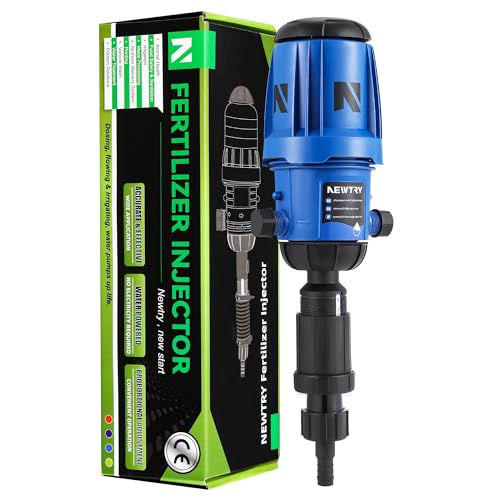
NEWTRY Fertilizer Injector for Drip Irrigation, 1%-10% Adjustable Dosing Pump, 3/4'' NPT Water Powered Liquid Doser for Garden, Greenhouse, Irrigation & Hydroponic System, Farm, Grow Tent Blue
[Enhance Your Garden's Growth]----Perfect for any gardening enthusiast or commercial farmer, our water-powered fertilizer injector optimizes nutrient delivery...
As an affiliate, we earn on qualifying purchases.
Conclusion
Remember, choosing the right water quality is like planting seeds in fertile soil—you’ll see your hydroponic garden thrive. Poor water can turn clear streams into murky puddles, stunting growth and choking your plants’ potential. By ensuring your water is pure and balanced, you’re nurturing a vibrant oasis instead of a stagnant swamp. So, treat your water like a precious resource—because in hydroponics, clean water isn’t just an ingredient, it’s the foundation of success.

DOSATRON Hobby Cultivator Water-Powered Nutrient Injector System | 0.5–5 GPM | 0.05–0.5% Dosing | ¾ NPT | Indoor Hydroponics | 4-Pump Base | Home Grower Nutrient Delivery
Water-Powered Nutrient Delivery System: The Hobby Cultivator uses Dosatron’s reliable water-powered injector technology, no electricity needed. Easily mix...
As an affiliate, we earn on qualifying purchases.
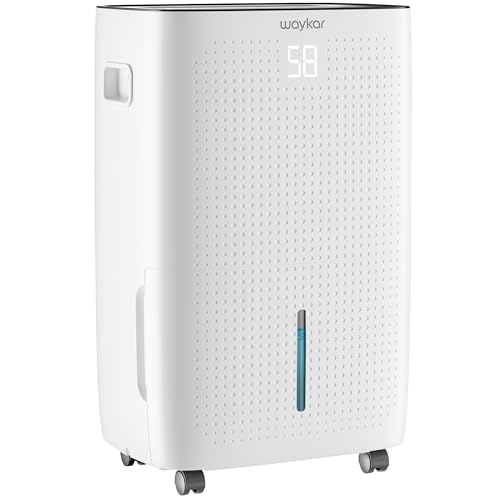
Waykar 150 Pint 7,000 Sq.Ft Dehumidifier with Pump for Basement & Home, Large Room, Smart Compressor Dehumidifier with Drain Hose & Tank for Commercial, 30–80% RH Control, 90° Auto Swing, Auto Defrost
【150 Pint High Capacity for Up to 7,000 Sq.Ft Spaces】Removes up to 150 pints of moisture per day...
As an affiliate, we earn on qualifying purchases.