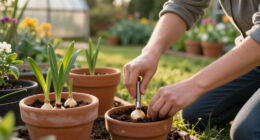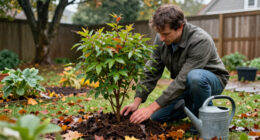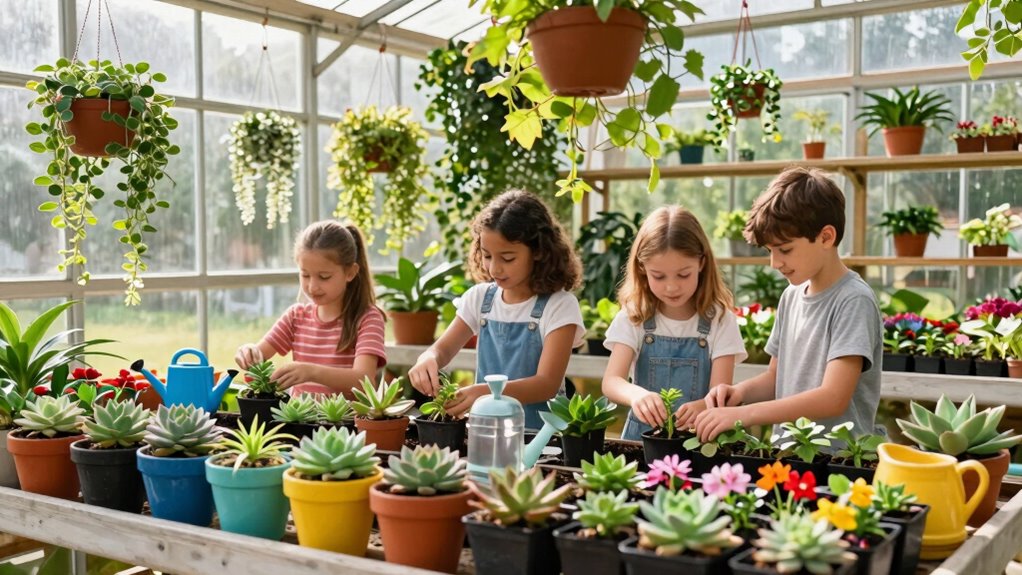

To keep your school greenhouse active during breaks, encourage students to take responsibility for watering, pruning, and monitoring plants. Organize hands-on projects like propagation, seed starting, or plant divisions, and set up friendly competitions or showcases to boost motivation. Teach them about pest management and plant biology to deepen their understanding. By involving everyone and making activities fun, you’ll create a lively, educational environment—exploring more tips can help you enhance your greenhouse’s robustness even further.

Get garden gear delivered free — and shop member deals
- Fast, free delivery on millions of items
- Access to Prime Big Deal Days deals on October 6–7
- Prime Video, Amazon Music and more included
Key Takeaways
- Assign student-led watering, pruning, and monitoring tasks to maintain plant care during breaks.
- Organize seasonal planting projects and competitions to keep students engaged and invested.
- Incorporate educational activities, such as pest identification and propagation techniques, for continuous learning.
- Set up automated watering systems or timers to ensure consistent plant maintenance during absences.
- Encourage student progress updates and showcase events to sustain enthusiasm and responsibility.
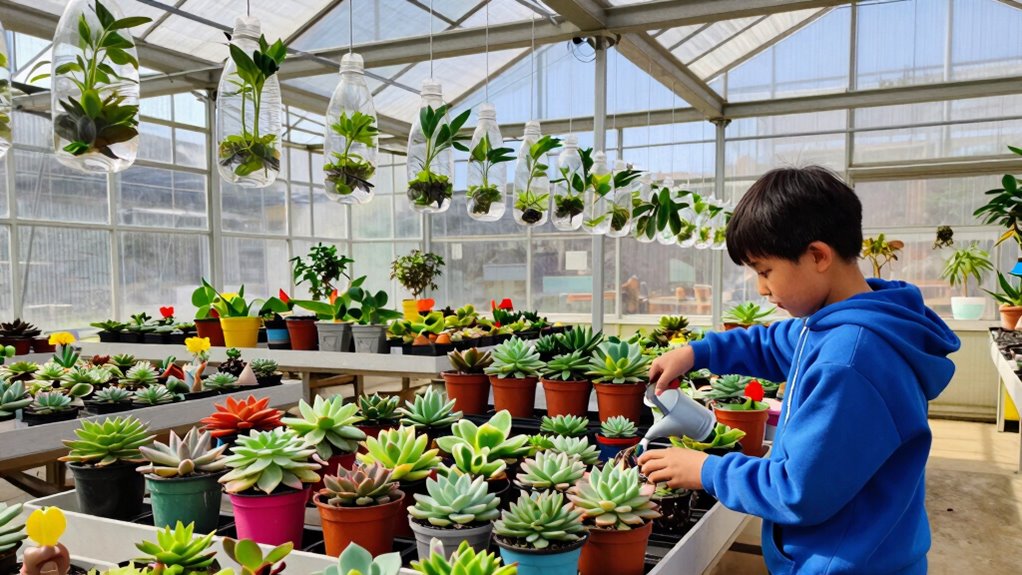
Keeping a school greenhouse active during breaks can be a rewarding way to promote student engagement and environmental awareness. When students see the tangible results of plant propagation, they develop a deeper understanding of how plants grow and reproduce. You can encourage them to take cuttings from existing plants, root seeds, or divide mature specimens to expand the greenhouse’s collection. This hands-on approach not only teaches biological concepts but also instills patience and responsibility. As students participate in plant propagation, they learn the importance of nurturing life from tiny cuttings or seeds into thriving plants. Regularly updating them on their progress keeps their interest high and fosters a sense of ownership. Incorporating pest management strategies is essential to maintain a healthy environment, preventing pests like aphids, spider mites, or fungus gnats from damaging the plants. You should teach students how to identify common pests early and introduce integrated pest management (IPM) techniques. This might include natural predators, such as ladybugs, or organic solutions like neem oil and insecticidal soap. By involving students in pest management, they learn how to maintain a healthy, balanced ecosystem and prevent infestations before they become serious. Regular inspection and prompt action are key to keeping pests at bay, ensuring that plant propagation efforts are successful and plants remain healthy. Creating a routine that encourages student participation is also vital; assigning specific tasks, such as watering, pruning, or monitoring plant health, helps establish responsibility and keeps the greenhouse lively. Providing educational resources about plant life cycles, pest control, and propagation techniques can deepen students’ understanding. Additionally, understanding biodiversity within the greenhouse ecosystem can help students see the importance of maintaining diverse plant species for a resilient environment. Furthermore, integrating seasonal planting projects keeps activities fresh and engaging, giving students a sense of accomplishment as they see their work grow into beautiful, healthy plants. You might also organize small competitions or showcase student projects to boost motivation and pride in their work.
automatic plant watering system for greenhouse
As an affiliate, we earn on qualifying purchases.
As an affiliate, we earn on qualifying purchases.
Frequently Asked Questions
How Can Students Assist With Greenhouse Maintenance During Breaks?
You can assist with greenhouse maintenance during breaks by taking on student responsibilities like watering plants, pruning, and checking for pests. Keep a maintenance schedule to stay organized and guarantee all tasks are completed regularly. Communicate with teachers or greenhouse managers to understand specific needs and priorities. Your active involvement helps keep the greenhouse thriving and provides valuable hands-on experience, making your break time productive and meaningful.
What Safety Precautions Are Necessary for Student Involvement?
You should provide students with safety training before they work in the greenhouse, ensuring they understand proper handling of tools and plants. Make sure they’re familiar with emergency protocols in case of accidents, such as cuts or chemical spills. Supervise their activities closely, and encourage them to ask questions about safety procedures. By doing so, you create a safe environment where students can actively participate without unnecessary risks.
How to Fund Ongoing Greenhouse Activities During School Breaks?
Ironically, the best way to fund greenhouse activities during school breaks is to tap into sustainable funding sources and explore grant opportunities. You can apply for local, state, or national grants designed for educational or environmental projects. Many organizations support youth involvement in green initiatives, so actively seeking these grants guarantees your greenhouse remains lively during breaks. It’s a smart, eco-friendly strategy to keep your green space thriving year-round.
Can Community Volunteers Help Keep the Greenhouse Active?
Yes, community volunteers can definitely help keep your greenhouse active. You should focus on community engagement to attract passionate volunteers and use volunteer coordination to organize their efforts effectively. By creating clear roles and schedules, you guarantee ongoing activity and care for the plants during breaks. Engaging local groups or families not only boosts participation but also fosters a sense of shared responsibility for the greenhouse’s success.
What Are the Best Ways to Track Greenhouse Progress During Breaks?
You should use monitoring technology like sensors and cameras to track your greenhouse’s progress during breaks. These tools provide real-time data on temperature, humidity, and plant health, making growth assessments more accurate. Notably, studies show that greenhouses with automated monitoring see 20% faster plant growth. Regularly reviewing this data helps you identify issues early, ensuring your plants stay healthy and vibrant even when you’re away.
Conclusion
Keeping your school greenhouse active during breaks isn’t just about maintaining plants; it’s about nurturing curiosity and fostering community. While students step outside for fun, your greenhouse quietly thrives, a lush contrast to the busy playground. By integrating simple activities and hands-on projects, you turn a silent space into an inviting haven of growth and learning. In this way, the greenhouse becomes a lively, living classroom—steady, vibrant, and full of possibilities, even during the quietest moments.
Halloween Picks
halloween
As an affiliate, we earn on qualifying purchases.