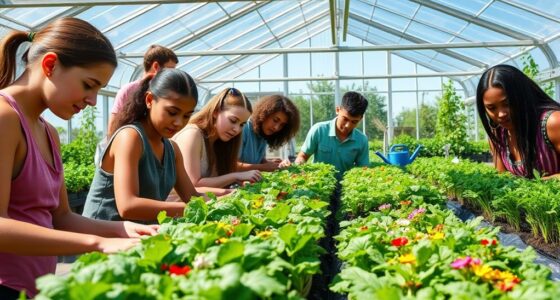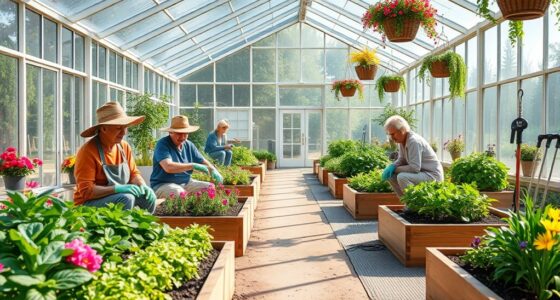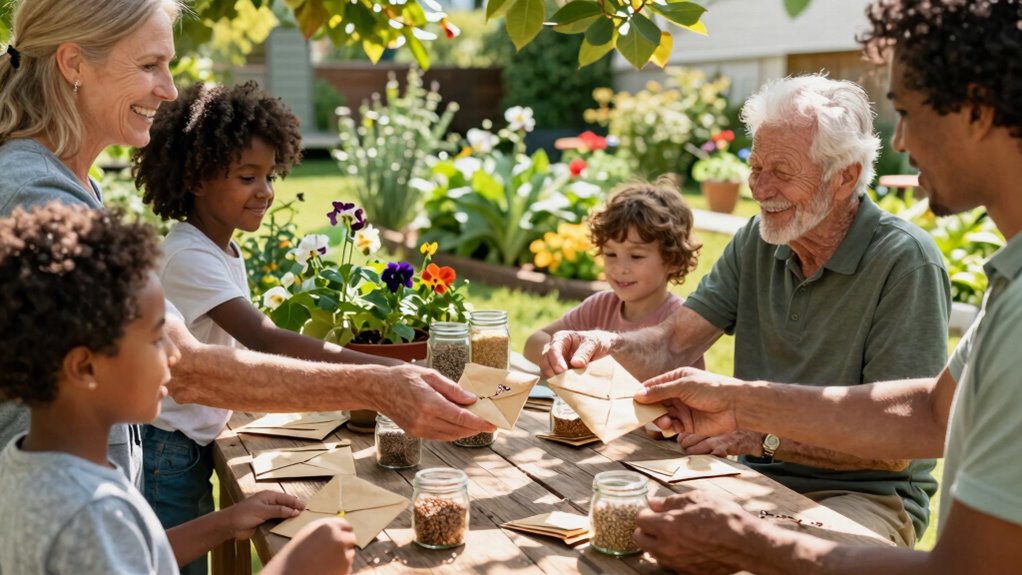

Community seed sharing builds a stronger growing culture by promoting genetic diversity and preserving local varieties tailored to your environment. It helps reduce dependence on big corporations and encourages sustainable practices. Sharing seeds fosters social bonds, resilience, and a sense of collective ownership, ensuring future food security. By participating, you contribute to a vibrant, adaptable, and culturally rich gardening community. If you want to discover how these practices can transform your own garden, keep exploring what’s possible.
Open a free Amazon Business account
Business pricing, bulk buying and tax-exempt orders.
As an affiliate, we earn on qualifying purchases.
Key Takeaways
- It fosters local genetic diversity, increasing resilience against pests and climate changes.
- It preserves heirloom and indigenous varieties, maintaining cultural heritage.
- It strengthens social bonds and knowledge sharing within communities.
- It reduces dependence on commercial seeds, promoting sustainable practices.
- It encourages continuous improvement and adaptation of crops through local selection.
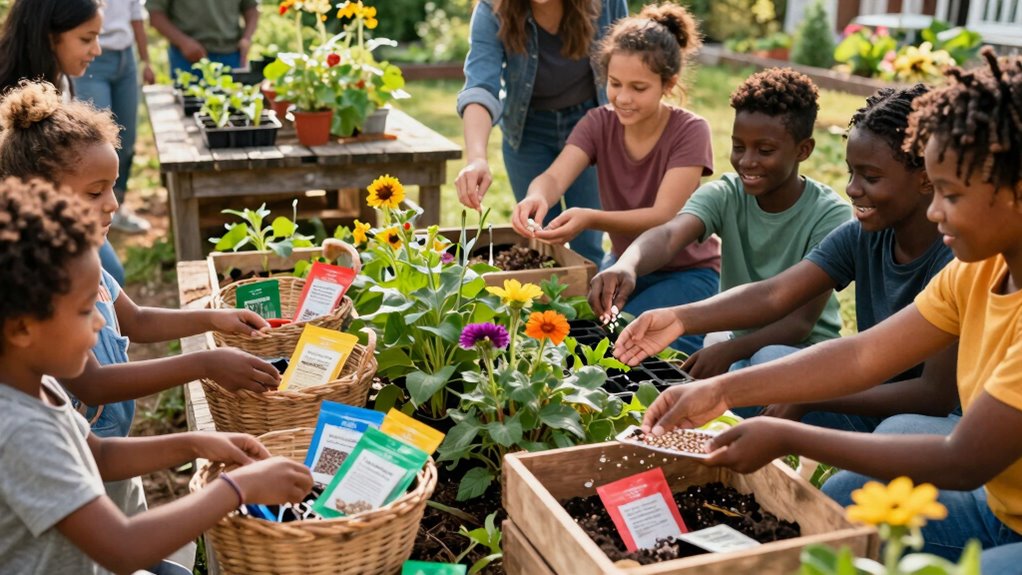
Community seed sharing has become an essential way for neighborhoods and local gardens to thrive, fostering a sense of cooperation and sustainability. When you participate in sharing seeds, you’re not just exchanging plant material—you’re helping to preserve seed sovereignty and genetic diversity. Seed sovereignty means having control over the seeds you grow, saving you from dependency on large corporations that often limit access through patents and proprietary seeds. By sharing seeds locally, you retain the ability to grow varieties that are adapted to your environment, resilient to local pests, and suited to your taste. This control empowers you to maintain cultural traditions and adapt crops to changing climate conditions, ensuring your garden’s long-term health. Additionally, community seed sharing promotes local resilience by reducing reliance on commercial seed suppliers and supporting environmentally sustainable practices.
Genetic diversity plays an essential role in building a resilient growing culture. When you exchange seeds with neighbors, you’re contributing to a broad pool of genetic traits. This diversity means that if a pest or disease strikes, your garden has a better chance of survival because it contains a variety of resilient plants. Monocultures—growing only one type of plant—are vulnerable because they lack this diversity, making entire crops susceptible to failure. Sharing seeds helps maintain a rich genetic pool, which is a fundamental component for adaptation and evolution. It allows you to select and save seeds from the strongest plants each season, fostering a cycle of continual improvement that’s rooted in local knowledge and conditions. Additionally, local seed exchange practices support the preservation of indigenous and heirloom varieties that hold cultural significance. Understanding the importance of genetic diversity is key to fostering a resilient growing environment that can adapt to unforeseen challenges. Recognizing the role of seed saving techniques further enhances the sustainability of your growing practices. Incorporating seed selection methods ensures that only the best-performing plants contribute to future seed stocks, strengthening the overall resilience of your garden.
By actively participating in community seed sharing, you’re also fostering a culture of sustainability. You reduce reliance on commercial seed suppliers and their environmental footprint, promoting local resilience instead. Sharing seeds encourages the preservation of heirloom and indigenous varieties, which often contain unique flavors, nutritional benefits, and cultural significance. These varieties may not be available commercially, but through community sharing, you can keep these traditions alive. It also strengthens social bonds, as neighbors work together to grow and protect diverse plantings. This collective effort creates a more robust and adaptable growing culture, where knowledge and resources circulate freely.
In essence, seed sharing isn’t just about plants—it’s about safeguarding the future of your community’s food systems, preserving genetic diversity, and asserting control over your growing environment. It’s a powerful act of local empowerment that nurtures both environmental health and cultural heritage. When you embrace seed sovereignty and actively engage in sharing, you’re helping to build a resilient, diverse, and sustainable growing culture that benefits everyone involved.
As an affiliate, we earn on qualifying purchases.
Frequently Asked Questions
How Does Seed Sharing Impact Local Biodiversity?
Seed sharing boosts local biodiversity by encouraging the exchange of diverse plant varieties, which enhances genetic diversity. When you participate in seed sharing, you help maintain a broader gene pool, making ecosystems more resilient to pests and climate changes. This collective effort supports sustainable farming practices, preserves unique local strains, and strengthens ecosystem resilience, ensuring healthier, more adaptable environments for future generations.
What Legal Considerations Exist for Seed Sharing?
You need to understand that legal regulations govern seed sharing, especially around intellectual property rights. Some seeds might be protected by patents or copyrights, limiting how you can share or grow them. Always check local laws and seed labels to guarantee you’re compliant. While sharing seeds fosters community and biodiversity, respecting legal boundaries helps avoid potential disputes or legal issues. Being informed ensures your seed-sharing practices stay legal and sustainable.
How Can Beginners Start Participating in Seed Exchanges?
To start participating in seed exchanges, you should begin with seed selection by choosing healthy, well-preserved seeds from your garden or trusted sources. Connect with local seed swaps or online communities, and learn about sharing etiquette to guarantee respectful exchanges. Ask questions, share your experiences, and be open to trying new varieties. This approach helps you build confidence while contributing positively to the community’s growing culture.
Are There Risks of Disease Transmission Through Seed Sharing?
You might wonder if seed sharing risks disease transmission, and it can be a concern—about 10% of seed-borne diseases are spread this way. To prevent disease, always practice good disease prevention techniques like inspecting seeds for signs of pathogens and cleaning tools thoroughly. Proper handling reduces pathogen spread, ensuring healthy plants and a thriving community. With careful precautions, seed sharing becomes a safe way to grow better together.
How Does Seed Sharing Influence Seed Sovereignty?
Seed sharing strengthens your seed sovereignty by promoting seed preservation and maintaining genetic diversity. When you exchange seeds within your community, you gain access to a wider variety of resilient, locally adapted plants, reducing dependence on commercial seed sources. This practice helps protect traditional varieties and guarantees you can preserve and adapt seeds over time, fostering a more sustainable, self-reliant growing culture that’s resilient to environmental changes and challenges.
Conclusion
As you walk through your neighborhood garden, you notice a neighbor passing by with a bag of seeds she just shared. It’s no coincidence—this simple act of seed sharing has woven a stronger, more resilient community. When you embrace this tradition, you nurture more than plants; you cultivate trust, knowledge, and hope. Together, in these small exchanges, you build a thriving, supportive culture that blooms far beyond the garden beds.
NFL season / tailgating Picks
team gear
As an affiliate, we earn on qualifying purchases.