
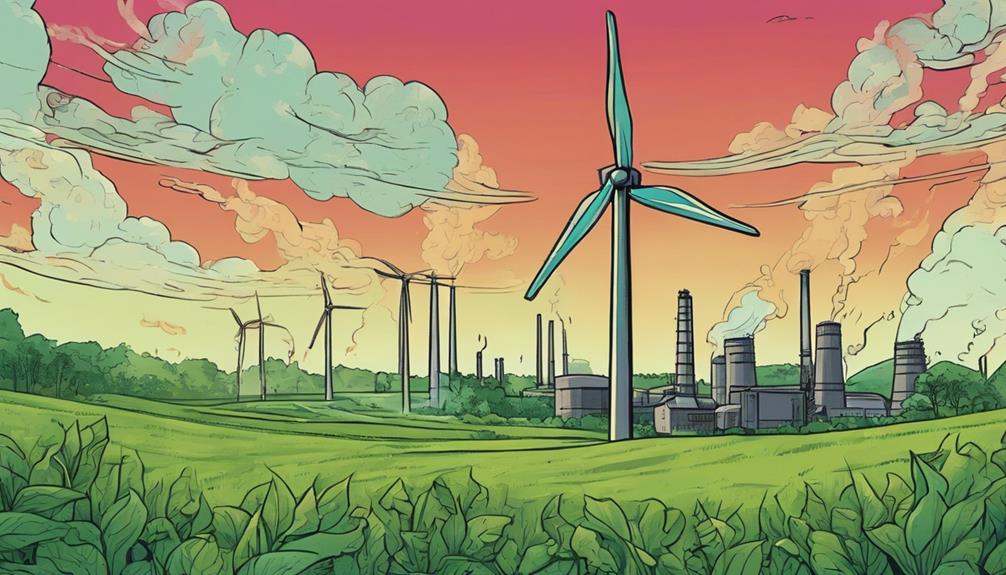
As you explore the world of energy conversion, you'll find that kinetic energy's potential to generate thermal energy is essential for powering everything from household appliances to industrial machinery. Heating objects, friction, and interactions all convert kinetic energy into heat. But did you know that over 90% of energy consumption is for heat generation? Long-distance thermal energy conversion poses challenges, but breakthroughs in thermal technology can reduce greenhouse gas emissions. You're about to uncover the secrets of efficient thermal energy conversion, and it's going to change the way you think about energy production.

Get garden gear delivered free with Prime
- Fast, free delivery on millions of items
- Prime Video, Amazon Music and more included
- Member-only deals all year
Key Takeaways
- Kinetic energy is converted to thermal energy through friction, resistance, and interactions, generating heat in various processes.
- Understanding the conversion methods is crucial for efficient thermal energy harnessing and reducing energy losses.
- Innovative technologies can store heat energy for later use, enabling sustainable energy production and reducing greenhouse gas emissions.
- Optimizing the conversion process minimizes energy waste and lowers costs, contributing to a sustainable future.
- Efficient energy conversion systems require understanding friction, heat transfer, and energy storage to maximize kinetic energy conversion.
As an affiliate, we earn on qualifying purchases.
Thermal Energy Generation Methods

When you heat an object, like boiling water, you generate thermal energy through a process that converts kinetic energy into heat energy. This conversion occurs when an object's kinetic energy is transferred into thermal energy, often through friction or other interactions.
For instance, when a plane is in flight, it converts thermal energy into kinetic energy, and vice versa. Similarly, cooking is an example of converting kinetic energy to thermal energy, where the kinetic energy of moving particles is transferred into heat. Additionally, kinetic energy can escape closed containers, producing high temperatures.
Understanding these methods is essential for harnessing thermal energy efficiently.
Challenges in Energy Conversion

As you explore the conversion of kinetic energy to thermal energy, you'll encounter a significant obstacle: the world's overwhelming reliance on heat generation and manipulation, with a staggering 90% of energy consumption dedicated to this purpose.
This dependence creates a major challenge in converting thermal energy efficiently, especially over long distances. To address this, researchers are working on breakthroughs in thermal technology, which can help reduce greenhouse gas emissions.
Another obstacle is finding new pumpable fluids for large-scale deployment. Overcoming these challenges is essential, as efficient thermal energy conversion is crucial for sustainable energy production.
Converting Kinetic Energy Processes

You're about to explore the fascinating world of transforming motion energy processes, where moving systems, resistance, and innovative technologies come together to produce heat energy. This process plays a vital role in various industries, from cooking and warming to producing electricity. As you dig deeper, you'll discover that resistance can dissipate energy, impacting effectiveness, but innovative technologies can store heat energy for later use.
| Process | Description |
|---|---|
| Cooking | Converts motion energy to heat energy, rapidly heating water particles |
| Resistance | Dissipates motion energy into heat energy, impacting effectiveness |
| Nuclear Decay | Releases energy in heavy isotopes, transforming motion to heat energy |
| Boiling Water | Converts motion energy to heat energy, producing warmth |
These processes demonstrate the adaptability of motion energy conversion, emphasizing the significance of efficient technologies to capture heat energy.
Applications of Thermal Energy

Thermal energy's versatility is evident in its widespread applications. From heating and cooling systems to electricity generation, it plays an essential role in various industries. You'll find it powering refrigeration units, air conditioning systems, and heating pumps. Its significance extends to the production of electricity, where thermal energy is used to drive turbines and generators.
Thermal energy is used in cooking, where kinetic energy is converted to heat energy, making your meals hot and ready.
In power plants, thermal energy is used to generate electricity, lighting up your homes and offices.
It's used in HVAC systems, providing comfortable temperatures in buildings and homes.
Thermal energy is also used in industrial processes, such as manufacturing and chemical synthesis.
Efficient Energy Conversion Systems

Developing efficient energy conversion systems is essential to minimize energy losses and maximize the yield of kinetic energy converted to thermal energy. You need to understand how to optimize the conversion process to get the most out of your energy.
This requires a deep understanding of the underlying principles, including friction, heat transfer, and energy storage. By designing systems that minimize energy losses and maximize efficiency, you can access more thermal energy from kinetic energy.
This is pivotal in various industries, from power generation to cooking and heating. With efficient energy conversion systems, you can reduce energy waste, lower costs, and contribute to a more sustainable future.
Frequently Asked Questions
Can Kinetic Energy Be Converted Directly to Electrical Energy?
You ask if kinetic energy can be converted directly to electrical energy. Yes, it can – think of a plane in flight converting thermal energy into kinetic energy, which can then be harnessed to generate electricity.
How Does Kinetic Energy Affect the Efficiency of Thermal Energy Storage?
When you convert kinetic energy to thermal energy, friction can dissipate energy, affecting efficiency. You'll find that storing thermal energy at higher temperatures helps, but it's important to minimize friction for best storage efficiency.
Are There Any Natural Processes That Convert Kinetic Energy to Thermal Energy?
You're wondering if natural processes convert kinetic energy to thermal energy? Yes, they do Cooking, friction, and nuclear decay are examples of natural processes that transform kinetic energy into thermal energy.
Can Kinetic Energy Be Used to Cool an Object or System?
"As you quest for answers like a modern-day alchemist, yes, kinetic energy can be used to cool an object or system, but it's a clever trick: think of refrigeration, where kinetic energy drives heat pumps to chill, not heat."
Is It Possible to Convert Thermal Energy Back Into Kinetic Energy?
Yes, you can convert thermal energy back into kinetic energy. For instance, a plane in flight can convert thermal energy from its engines into kinetic energy, propelling it forward.
How Can Wind Turbines and Windmills Convert Kinetic Energy to Thermal Energy?
Wind turbines and windmills both convert kinetic energy from the wind into thermal energy. The wind’s kinetic energy turns the blades of the wind turbine versus windmill, causing them to rotate. This mechanical energy is then converted into thermal energy through a generator, which produces electricity.
Conclusion
As you've seen, converting kinetic energy to thermal energy is a complex process with vast potential. From friction-generated heat to nuclear decay, the possibilities are endless.
Take, for example, the city of Reykjavik, where geothermal energy harnesses the Earth's kinetic energy to power homes and businesses.
By embracing efficient energy conversion systems, we can discover a sustainable future where energy is generated in harmony with the environment.
The secrets are out – it's time to put them to work.
Fall Picks
fall essentials
As an affiliate, we earn on qualifying purchases.