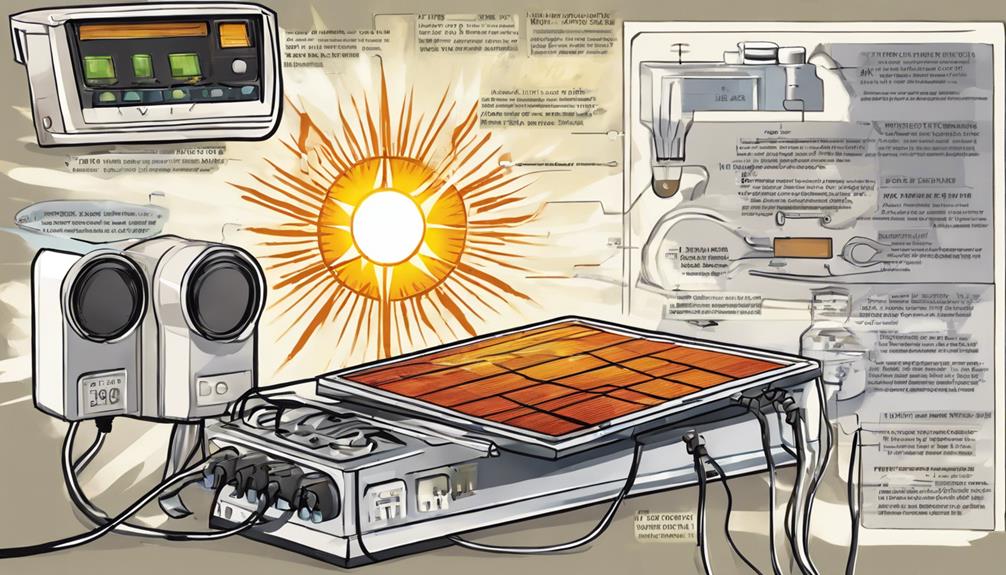
When it comes to harnessing the power of the sun, choosing the right solar charge controller is essential, and selecting the correct ampacity is key to ensuring safe and efficient system operation. I've learned that ampacity determines how much power a controller can handle, and getting it wrong can lead to energy loss or waste. Evaluating my solar panel setup helps determine the right ampacity, but how do I know what's right for my system? As I explore further, I'll uncover the significance of considering cost, compatibility, and controller type to get the most out of my solar setup.
Key Takeaways
- Ampacity determines how much power a controller can handle, affecting safe and efficient system operation.
- Choosing a controller with too low capacity leads to energy loss, while too high capacity can be wasteful.
- Evaluating the solar panel setup helps determine the right ampacity for optimal performance.
- Incorrect ampacity can lead to overheating or undercharging, emphasizing the importance of accurate selection.
- Considering the system's specific needs and configuration ensures the right ampacity is chosen.

UYGALAXY 100W Greenhouse Film Roll Up Motor with Limit Switch, Waterproof Electric Film Curtain Roller Frame Shed DC 24V 2.8RPM for Greenhouse Automatic Ventilation(with Pivot Set)
【 Longer Travel】Curtain travel width can be max 19ft of hoop house top.
As an affiliate, we earn on qualifying purchases.
Controller Types and Features
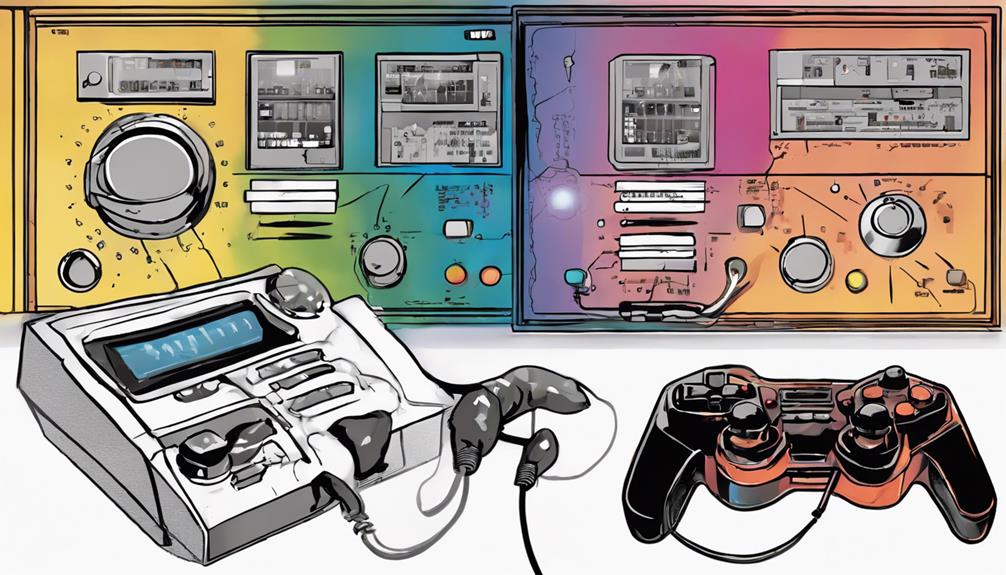
When it comes to selecting a solar charge controller, understanding the different types and their features is important to guarantee efficient and safe charging of your batteries.
I've learned that PWM (Pulse Width Modulation) controllers are great for extending battery life, regulating voltage, and protecting against short circuits and undercharging.
On the other hand, MPPT (Maximum Power Point Tracking) controllers improve performance, reduce loss, and can charge different battery types and sizes. They even offer features like Bluetooth control and LCD displays.
I've also discovered that there are various options available for different needs, and models like the Renogy Wanderer 10A are suitable for small systems.

Rain Bird SST600IN Simple-to-Set Indoor Sprinkler/Irrigation System Timer/Controller, 6-Zone/Station (This New/Improved Model Replaces SST600I),Gray/Green
This timer is so easy to program you won't need the instructions
As an affiliate, we earn on qualifying purchases.
Choosing the Right Ampacity
As I assess the type and features of my solar charge controller, I'm also contemplating the ampacity, which is crucial in ensuring my system operates safely and efficiently.
The ampacity of a solar charge controller determines how much power it can handle from my solar panels. If I choose a controller with too low a capacity, it may not be able to handle the maximum power output of my panels, leading to energy loss.
On the other hand, a controller with too high a capacity may be wasteful and unnecessary. I need to evaluate the size and configuration of my solar panel setup to determine the right ampacity for my controller.
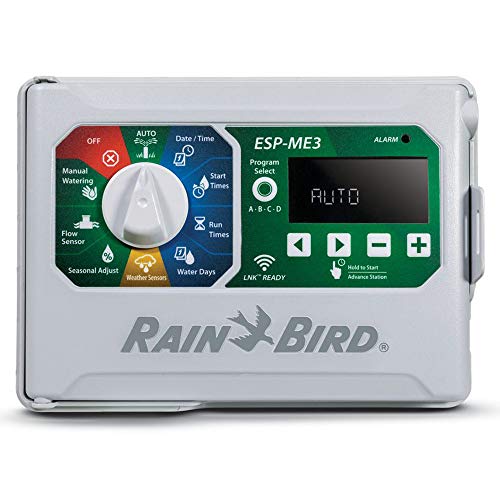
Rain-Bird Controller Indoor Outdoor Lawn Irrigation Sprinkler Timer ESPME3 (Controller Only)
With 4 to 22 stations, the ESP-ME3 provides the station count options customers need. Install the same controller...
As an affiliate, we earn on qualifying purchases.
Cost and Compatibility Factors
I must also consider the cost and compatibility of the solar charge controller with my existing system components, as these factors can greatly impact the overall performance and efficiency of my solar setup.
When it comes to cost, I've found that budget-friendly options are available, and bulk buys can even save me money. However, I must make sure that the controller I choose is compatible with my solar panels and system power.
Here are three key considerations to keep in mind:
- Compatibility with solar panels: The controller must be able to handle the voltage and current output of my panels.
- System power compatibility: The controller's ampacity must match the power requirements of my system.
- Feature set: I must weigh the benefits of advanced features like Bluetooth control and LCD displays against the added cost.

Rachio WiFi Smart Sprinkler Controller (16-Zone Irrigation Remote Control) – App-Based Scheduling, Local Weather Intelligence, Rain Skips, Easy DIY Install
DITCH THE DIAL – Upgrade to smart irrigation with the free Rachio app for precise, easy control.
As an affiliate, we earn on qualifying purchases.
Common Problems and Solutions
Solar charge controllers can be prone to common issues, such as overheating, undercharging, and incompatibility with system components, which can greatly impact the performance and lifespan of my solar setup.
As I've learned, addressing these problems promptly is crucial to avoid costly repairs or even complete system failure.
One common issue is incorrect ampacity, which can lead to overheating or undercharging. To avoid this, I make sure to select a controller that matches my solar panel's ampacity.
Another issue is incompatibility with my battery type or solar panel configuration. I've found that PWM controllers are suitable for simple systems, while MPPT controllers are better for more complex setups.
PWM Vs MPPT Controllers
My choice between PWM and MPPT controllers hinges on the specific needs of my solar setup, with each type offering unique benefits and drawbacks. As I weigh my options, I consider the following key differences:
- Efficiency:
- MPPT controllers can improve efficiency by up to 50%, making them ideal for larger systems or those with varying solar panel configurations.
- Protection:
- PWM controllers excel at protecting my batteries from short circuits and undercharging, ensuring a longer lifespan.
- Cost:
- PWM controllers are often more budget-friendly, making them a great option for smaller systems or those on a tight budget.
Frequently Asked Questions
Can I Use a Solar Charge Controller With a Wind Turbine?
'I've wondered if I can use a solar charge controller with a wind turbine. While designed for solar panels, some controllers can work with wind turbines, but it's important to verify compatibility and adjust settings accordingly.'
How Do I Wire Multiple Controllers for Expanded Capacity?
"I'm looking to expand my system's capacity by wiring multiple controllers. To do this, I'll need to connect each controller to a separate battery bank, ensuring proper voltage matching and avoiding parallel connections."
Are Solar Charge Controllers Suitable for Powering AC Appliances?
"I'm unsure if solar charge controllers directly power AC appliances, but I do know they regulate voltage from solar panels to batteries. Maybe I need an inverter to convert DC to AC for appliance use?"
Can I Upgrade My Existing Controller to a Higher Ampacity?
'I'm considering upgrading my existing controller to a higher ampacity. While it's possible, I need to confirm compatibility with my solar panel setup and system power to avoid any performance or safety issues.'
Do Solar Charge Controllers Work With ALL Types of Batteries?
"I've found that solar charge controllers can work with various battery types, including lead-acid, lithium, and AGM, as long as the controller is compatible with the battery's voltage and chemistry."
How Important is the Ampacity of a Solar Charge Controller in Maintaining Solar Panel Efficiency?
The ampacity of a solar charge controller is crucial in maintaining solar panel efficiency. By ensuring that the controller can handle the current output of the panels, you can maximize their energy production. In addition to this, regular solar panel cleaning tips can also improve efficiency by removing any dirt or debris that may be blocking sunlight exposure.
How Does Solar Radiation Affect the Ampacity of Solar Charge Controllers?
Solar radiation versus thermal energy can significantly impact the ampacity of solar charge controllers. High levels of solar radiation can increase the temperature of the controllers, reducing their ampacity. It is essential to consider these factors when designing solar power systems to ensure optimal performance and reliability.
How Do Solar Panel Choices Impact the Ampacity Needed for a Solar Charge Controller?
The factors and benefits of solar panels impact the ampacity needed for a solar charge controller. The type, size, and efficiency of the solar panels determine the amount of current produced, which then affects the required ampacity of the charge controller to safely regulate the flow of electricity in the system.
Conclusion
As I wrapped up my journey of discovery, I realized that choosing the right solar charge controller is like finding the perfect puzzle piece. It's all about fitting the right ampacity, features, and cost into your unique solar power system.
Remember, 'measure twice, cut once' – take the time to assess your needs. You'll be harnessing the sun's energy with confidence and efficiency.